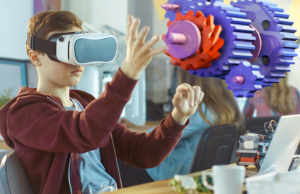
Smart Classrooms: Revolutionizing Education with Innovative Learning Technologies
======
Smart Classrooms
======
Empowering Educators With Learning Analytics
Unveiling the Transformative Power of Smart Classrooms for Educators
In the ever-evolving landscape of education, technology plays an increasingly pivotal role in shaping the learning experience. Among the most innovative advancements is the emergence of smart classrooms, designed to empower educators with data-driven insights and cutting-edge tools to enhance teaching and student engagement.
Defining Smart Classrooms: A Paradigm Shift in Education
Smart classrooms are not merely equipped with interactive whiteboards and digital projectors. They represent a comprehensive ecosystem that seamlessly integrates technology into every aspect of the learning process, transforming traditional classrooms into dynamic and interactive learning environments.
Key Features of Smart Classrooms
- Interactive Displays: Large, touch-enabled screens allow students to collaborate, annotate notes, and engage with multimedia content in real time.
- Learning Management Systems (LMS): Centralized platforms that manage and deliver educational resources, track student progress, and facilitate communication between educators and students.
- Student Response Systems: Wireless devices that enable students to provide immediate feedback, participate in polls and quizzes, and assess their understanding.
- Data Analytics Tools: Advanced software that collects and analyzes student data to provide educators with actionable insights into student performance and areas for improvement.
- Adaptive Learning Platforms: Personalized learning experiences tailored to individual student needs and learning styles.
Benefits of Smart Classrooms for Educators
- Real-Time Assessment: Smart classrooms provide educators with instant feedback on student comprehension through response systems, interactive quizzes, and data analysis tools. This allows for quick adjustments to teaching strategies and timely intervention for struggling students.
- Personalized Learning Paths: Data analytics helps educators identify students’ strengths and weaknesses, enabling them to create customized lesson plans that address individual learning needs.
- Improved Collaboration: Interactive whiteboards and student response systems foster collaboration among students, promoting active learning and peer-to-peer interaction.
- Blended Learning Experiences: Smart classrooms facilitate a seamless blend of face-to-face instruction with online resources, allowing educators to optimize teaching time.
- Enhanced Engagement and Motivation: Technology-rich environments capture student attention, stimulate curiosity, and increase their motivation to learn.
Empowering Educators with Learning Analytics
Learning analytics, an integral component of smart classrooms, provides educators with a wealth of data on student performance, engagement, and learning styles. This data enables educators to:
- Identify Areas for Improvement: Data analysis can reveal patterns and trends in student performance, helping educators pinpoint areas where students struggle and require additional support.
- Tailor Instruction: By understanding students’ strengths and weaknesses, educators can differentiate instruction and provide targeted interventions to ensure all students reach their full potential.
- Track Progress and Set Realistic Goals: Learning analytics allows educators to monitor student progress over time and set attainable goals based on data-driven insights.
- Make Informed Decisions: Data-driven decision-making empowers educators to make informed choices about their teaching practices and improve the overall learning experience for all students.
The Future of Smart Classrooms
Smart classrooms are not a futuristic concept; they are the future of education. As technology continues to advance, smart classrooms will become even more sophisticated, offering educators and students access to even more powerful tools and resources.
Educational Implications
The implementation of smart classrooms has far-reaching implications for education:
- Equity and Access: Smart classrooms can bridge educational gaps by providing all students with access to the same high-quality resources and learning opportunities.
- Personalized Learning: Data-driven insights enable educators to tailor instruction to each student’s unique needs, ensuring a more personalized and effective learning experience.
- Teacher Professional Development: Smart classrooms empower educators with the tools and data they need to continuously improve their teaching practices.
- Innovation and Creativity: Technology-rich environments foster innovation and creativity among students, preparing them for the challenges of the 21st century workforce.
Secondary Keywords
smart classroom, smart learning, learning analytics, personalized learning, educational technology