Unlocking the Secrets of Academic Success: A Comprehensive Guide
Introduction
Academic success is a journey that requires dedication, perseverance, and a strategic approach. Whether you’re a student navigating the challenges of high school or a university graduate embarking on a new chapter, achieving your academic goals is within reach. This comprehensive guide will delve into the key strategies, habits, and resources that can propel you towards academic excellence.
The Importance of Goal Setting
H2: Setting Clear and Achievable Goals
Establishing specific, measurable, achievable, relevant, and time-bound (SMART) goals is the foundation for academic success. Identify what you aim to accomplish, break down large goals into smaller tasks, and set realistic timelines for each step. By mapping out your objectives, you create a roadmap for your academic journey.
H2: Prioritizing Tasks and Time Management
H3: Effectively Prioritizing Tasks
Overwhelmed students often neglect essential tasks due to poor prioritization. Use the Eisenhower Matrix to categorize tasks based on urgency and importance. Focus on completing the most critical tasks first to maximize productivity and reduce stress.
H3: Mastering Time Management
Time management is crucial for balancing academic responsibilities with personal life. Create a daily schedule that allocates specific time slots for studying, completing assignments, and extracurricular activities. Use a planner or calendar to keep track of appointments, deadlines, and important events.
Effective Study Habits
H2: Active Learning Techniques
Engage in active learning rather than passive listening or reading. Participate in class discussions, ask questions, and summarize key concepts in your own words. These techniques enhance understanding and retention.
H2: Effective Note-Taking
Master the art of effective note-taking. Use a combination of methods, such as the Cornell method or mind mapping, to capture important information during lectures or while reading textbooks. Regularly review your notes to reinforce learning.
H2: Spaced Repetition and Retrieval Practice
Embrace the power of spaced repetition and retrieval practice. Review material at increasing intervals to strengthen memories and improve long-term retention. Use flashcards or online platforms for regular quizzes to test your understanding.
H2: Utilizing Technology
H3: Intelligent Tutoring Systems
Leverage the benefits of intelligent tutoring systems (ITSs) to supplement your classroom learning. ITSs provide personalized feedback, adaptive learning pathways, and interactive simulations that can enhance comprehension and progress tracking.
H3: Educational Apps and Software
Explore a range of educational apps and software that can support your studies. Utilize language learning platforms, math problem solvers, and note-taking apps to improve your skills, track your progress, and stay organized.
H2: Maintaining a Healthy and Balanced Lifestyle
H3: Physical and Mental Well-being
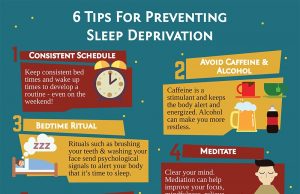
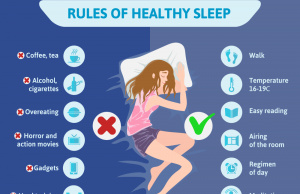
Academic success extends beyond academic pursuits. Prioritize physical and mental well-being by engaging in regular exercise, maintaining a healthy diet, and getting sufficient sleep. Physical activity reduces stress, improves concentration, and boosts cognitive function.
H3: Social Connections
Build strong social connections by joining study groups, participating in extracurricular activities, or connecting with mentors and peers. These interactions provide support, motivation, and opportunities for collaboration.
Overcoming Challenges
H2: Overcoming Procrastination
Procrastination is a common roadblock to academic success. To overcome it, break down large tasks into smaller steps, set achievable deadlines, and reward yourself for completing tasks. Identify your triggers and develop strategies to minimize distractions.
H2: Managing Stress
Excessive stress can hinder academic performance. Practice stress management techniques such as meditation, deep breathing exercises, or mindfulness. Identify your sources of stress and develop coping mechanisms to effectively manage them.
H2: Seeking Help When Needed
Don’t hesitate to seek help when you encounter challenges. Attend office hours, consult with professors or teaching assistants, and utilize resources such as tutoring or counseling services. Asking for help demonstrates a proactive approach and can significantly improve your understanding and performance.
Conclusion
Academic success is a continuous journey that requires consistent effort, effective strategies, and a positive mindset. By embracing the principles outlined in this guide, setting clear goals, prioritizing tasks, developing effective study habits, utilizing technology, maintaining a healthy lifestyle, overcoming challenges, and seeking help when needed, you can unlock your full academic potential and achieve your educational aspirations. Remember, the path to academic success is paved with dedication, perseverance, and a commitment to lifelong learning.
Secondary Keywords: study skills, time management, goal setting, active learning, effective note-taking, spaced repetition, retrieval practice, intelligent tutoring systems, educational technology, physical and mental well-being, social connections, procrastination, stress management, seeking help