
Establish a Regular Sleep-Wake Cycle
- Maintain a consistent sleep-wake schedule, even on weekends.
- Stick to a bedtime and wake-up time that allow for 7-9 hours of sleep.
Create a Conducive Sleep Environment

- Ensure your bedroom is dark, quiet, and cool.
- Use blackout curtains, earplugs, or a white noise machine to minimize distractions.
- Consider using a sleep mask to block light.
Engage in Soothing Pre-Sleep Activities
- Engage in calming activities before bed, such as taking a warm bath, reading, or writing in a journal.
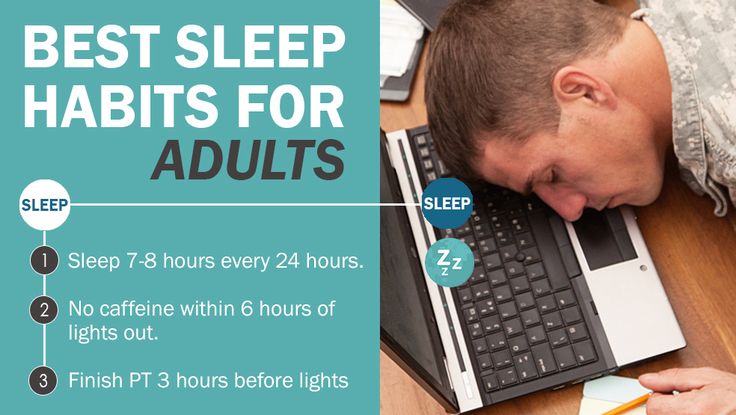
- Avoid caffeine, alcohol, and nicotine before sleep.
Limit Screen Time
- The blue light emitted from screens can disrupt sleep.
- Avoid using electronics for at least an hour before bed.
Exercise Regularly
- Regular physical activity can promote better sleep.
- However, avoid exercising too close to bedtime.
Establish a Healthy Diet
- Eat a balanced diet that includes plenty of fruits, vegetables, and whole grains.
- Avoid sugary drinks and heavy meals before sleep.
Manage Stress
- Engage in stress-reducing techniques such as deep breathing, yoga, or meditation.
- Consider seeking professional help if stress is a significant problem.
Nap Wisely
- Short naps (20-30 minutes) can boost alertness.
- Avoid long naps, as they can disrupt your sleep-wake cycle.