Culturally Responsive Teaching: Empowering Equitable and Inclusive Education
In the ever-evolving landscape of education, Culturally Responsive Teaching (CRT) has emerged as a cornerstone of creating equitable and inclusive learning environments for all students. This approach recognizes the diverse cultural backgrounds, experiences, and worldviews that students bring to the classroom, and it aims to honor and leverage these differences to enhance learning outcomes.
What is Culturally Responsive Teaching?
CRT is a pedagogical approach that acknowledges the cultural context and identities of students, including their race, ethnicity, socioeconomic status, family backgrounds, and life experiences. By recognizing and valuing these factors, teachers can create a classroom environment where students feel accepted, respected, and empowered to succeed.
Key Principles of Culturally Responsive Teaching
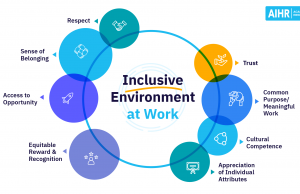
- Building Relationships: Establishing meaningful relationships with students is crucial for understanding their cultural perspectives and creating a supportive learning environment.
- Cultural Awareness: Teachers must be mindful of their own cultural biases and have a deep understanding of the diversity within their classrooms.
- Equity and Inclusion: CRT prioritizes creating a classroom where all students feel included and have access to equitable learning opportunities.
- Student Voice and Empowerment: Students are encouraged to share their cultural experiences, perspectives, and ideas as valuable contributions to the learning process.
- Relevant Curriculum and Materials: The curriculum and materials used in the classroom should reflect the diverse cultures and lived experiences of students, making learning more engaging and meaningful.
Benefits of Culturally Responsive Teaching
- Improved Academic Outcomes: Students who experience CRT have been shown to have higher academic achievement and improved critical thinking skills.
- Increased Student Engagement: When students feel their culture is valued in the classroom, they are more likely to engage in learning and participate actively.
- Reduced Bias and Discrimination: CRT helps create a classroom climate that challenges implicit biases and promotes respect for all students.
- Stronger School-Community Partnerships: By engaging with families and the wider community, CRT strengthens the connection between schools and the diverse communities they serve.
- Equity and Social Justice: CRT contributes to a more just and equitable society by fostering a culture of respect and understanding among students from all backgrounds.
Implementing Culturally Responsive Teaching
Implementing CRT in the classroom requires thoughtful planning and reflection. Here are some strategies:
- Get to Know Your Students: Spend time getting to know your students’ cultural backgrounds, experiences, and interests.
- Examine Your Own Biases: Be aware of your own cultural biases and seek to minimize their impact on your teaching practices.
- Develop a Culturally Responsive Curriculum: Integrate materials and resources that reflect the diverse cultures of your students.
- Use Cooperative Learning: Encourage students to work together in small groups, promoting collaboration and cultural exchange.
- Engage with Families and Communities: Partner with parents and community organizations to bring real-world experiences into the classroom.
Conclusion
Culturally Responsive Teaching is essential for creating equitable and inclusive learning environments where all students can reach their full potential. By valuing the diversity of students’ cultural backgrounds and experiences, teachers can foster a learning community that is both transformative and empowering. As we move towards a future where diversity is the norm, CRT will play a pivotal role in shaping a more just and equitable education system for all.
Secondary Keywords:
- Culturally Responsive Pedagogy
- Equity in Education
- Inclusive Learning Environments
- Intelligent Tutoring Systems
- Culturally Competent Teachers