Sleep Deprivation and Academic Performance
Sleep is essential for optimal cognitive function, memory consolidation, and attention. However, chronic sleep deprivation has detrimental effects on academic performance.
How Sleep Deprivation Affects Your Studies:
1. Cognitive Impairment:
- Reduced attention, focus, and concentration
- Impaired memory, particularly for newly learned information
- Difficulty with problem-solving, critical thinking, and decision-making
2. Behavioral Problems:
- Increased risk of distraction and hyperactivity
- Reduced motivation to study and engage in academic activities
- Difficulty regulating emotions, leading to irritability and anxiety
3. Physical Effects:
- Fatigue and daytime sleepiness
- Headaches, muscle aches, and gastrointestinal issues
- Weakened immune system, making students more susceptible to illness
Consequences on Academic Performance:
- Lower Grades: Sleep deprivation can lead to poor performance on tests, assignments, and exams.
- Increased Absenteeism: Students who are chronically sleep deprived may be too tired to attend classes or complete assignments.
- Reduced Course Success: Severe sleep deprivation can increase the risk of failing courses or dropping out of school.
- Impaired Career Prospects: Poor academic performance due to sleep deprivation can hinder future career opportunities.
Optimal Sleep for Students:
Most experts recommend that teenagers and young adults get 8-10 hours of sleep per night. To improve sleep quality:
- Establish a Regular Sleep-Wake Cycle: Go to bed and wake up around the same time each day, even on weekends.
- Create a Conducive Sleep Environment: Ensure your bedroom is dark, quiet, and cool.
- Avoid Caffeine and Alcohol Before Bed: These substances can interfere with sleep.
- Exercise Regularly: Physical activity can improve sleep quality, but avoid exercising too close to bedtime.
- Manage Stress: Stress can disrupt sleep. Practice relaxation techniques like yoga, meditation, or deep breathing exercises.
Seeking Help:
If you consistently struggle with sleep deprivation despite implementing these strategies, it’s important to seek professional help. Sleep disorders, such as insomnia or sleep apnea, may require medical treatment.
Conclusion:
Sleep deprivation is a significant threat to academic performance. By prioritizing sleep and implementing healthy sleep habits, students can improve their cognitive function, behavior, and overall academic success. It’s essential to raise awareness about the importance of sleep and to provide support for students who may be struggling with sleep-related issues.## Sleep Deprivation And Academic Performance: How Lack Of Sleep Affects Your Studies
Executive Summary
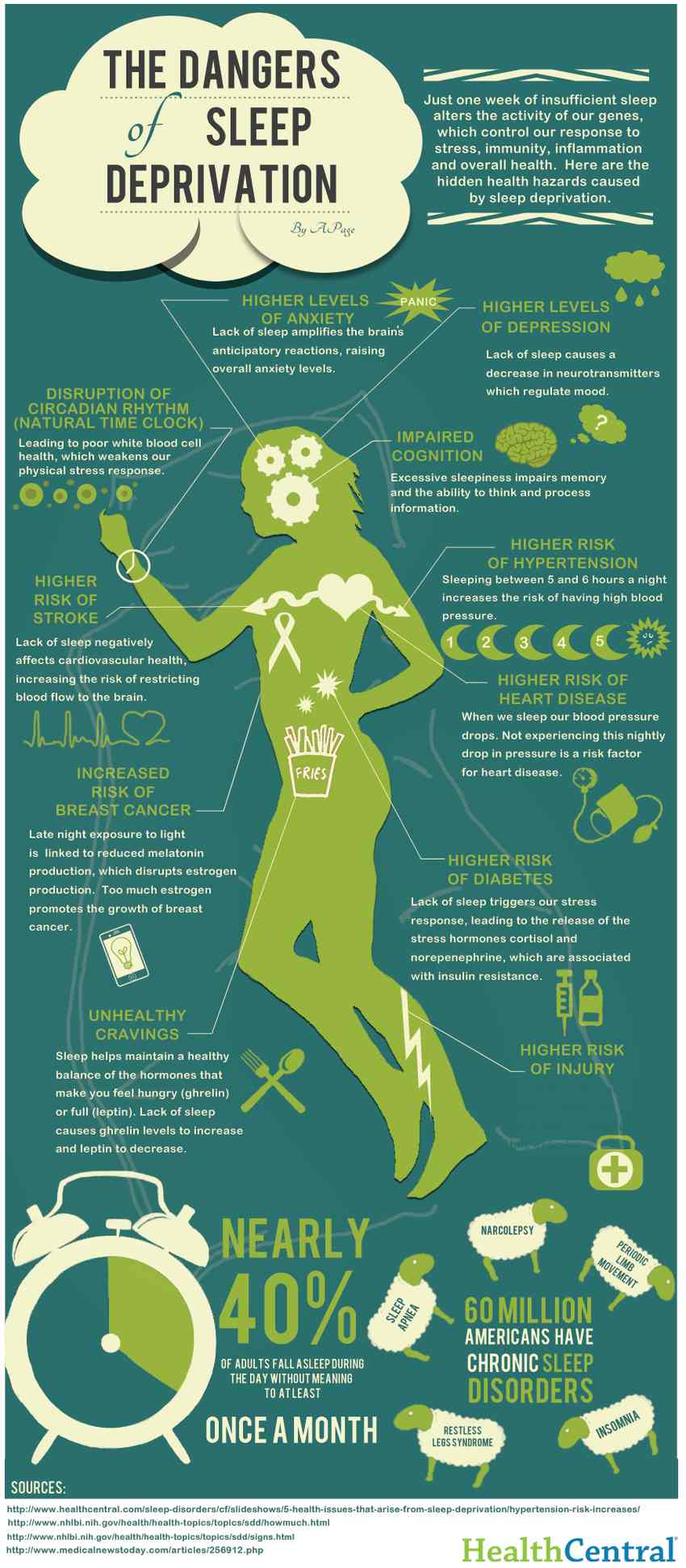
Sleep deprivation is a common problem among students, and it can have a significant impact on academic performance. Students who are sleep deprived are more likely to have difficulty paying attention in class, remembering information, and completing assignments on time. They are also more likely to experience anxiety, depression, and other mental health problems.
Introduction
Sleep is essential for our physical and mental health. It allows our bodies to rest and repair themselves, and it helps us to consolidate memories and learn new information. When we don’t get enough sleep, our cognitive function suffers. We may have difficulty paying attention, remembering information, and making decisions. We may also be more irritable and less able to cope with stress.
FAQs
1. How much sleep do students need?
Most experts recommend that teenagers get 8-10 hours of sleep per night. However, many students do not get enough sleep. According to a study by the National Sleep Foundation, only 35% of teenagers report getting the recommended amount of sleep.
2. What are the consequences of sleep deprivation?
Sleep deprivation can have a number of negative consequences for students, including:
- Difficulty paying attention in class
- Remembering information
- Completing assignments on time
- Increased risk of anxiety, depression, and other mental health problems
3. What can students do to improve their sleep?
There are a number of things that students can do to improve their sleep, including:
- Going to bed and waking up at the same time each day, even on weekends
- Creating a relaxing bedtime routine
- Avoiding caffeine and alcohol before bed
- Getting regular exercise
- Making sure their bedroom is dark, quiet, and cool
Top 5 Subtopics
1. Cognitive Function
Sleep deprivation can have a significant impact on cognitive function, including:**
- Attention: Sleep deprivation can make it difficult to pay attention in class and to focus on tasks.
- Memory: Sleep is essential for consolidating memories. When we don’t get enough sleep, we may have difficulty remembering information, both in the short-term and in the long-term.
- Executive function: Sleep deprivation can also impair executive function, which refers to our ability to plan, organize, and make decisions.
2. Mental Health
Sleep deprivation can also increase the risk of mental health problems, such as:**
- Anxiety: Sleep deprivation can make us more anxious and irritable.
- Depression: Sleep deprivation can also increase the risk of depression.
- Other mental health problems: Sleep deprivation can also worsen other mental health problems, such as ADHD and bipolar disorder.
3. Physical Health
Sleep deprivation can also have a negative impact on physical health, including:**
- Immune function: Sleep deprivation can weaken our immune system, making us more susceptible to illness.
- Cardiovascular health: Sleep deprivation can increase our risk of cardiovascular problems, such as heart disease and stroke.
- Obesity: Sleep deprivation can also increase our risk of obesity.
4. Safety
Sleep deprivation can also make us less safe, both at school and out of school.**
- Accidents: Sleep deprivation can increase our risk of accidents, both at home and on the road.
- Injuries: Sleep deprivation can also make us more likely to get injured.
- Crime: Sleep deprivation can also increase our risk of being involved in crime.
5. Performance
Sleep deprivation can also significantly impact performance in sports and other activities.**
- Athletic performance: Sleep deprivation can decrease athletic performance, both in terms of strength and endurance.
- Academic performance: Sleep deprivation can significantly impact academic performance, making it difficult to focus, remember information, and complete assignments.
- Other performance: Sleep deprivation can also impair performance in other activities, such as music, dance, and art.
Conclusion
Sleep is essential for students’ academic success. Students who are sleep deprived are more likely to have difficulty paying attention in class, remembering information, and completing assignments on time. They are also more likely to experience anxiety, depression, and other mental health problems.
There are a number of things that students can do to improve their sleep, including going to bed and waking up at the same time each day, even on weekends; creating a relaxing bedtime routine; avoiding caffeine and alcohol before bed; getting regular exercise; and making sure their bedroom is dark, quiet, and cool.
Keywords
- Sleep deprivation
- Academic performance
- Cognitive function
- Mental health
- Physical health