Data-driven Teaching: Leveraging AI for Informed Decision Making
In today’s data-rich educational landscape, artificial intelligence (AI) is emerging as a powerful tool for teachers to enhance their decision-making and improve student outcomes. Data-driven teaching refers to the systematic collection, analysis, and utilization of educational data to inform instruction and tailor support to individual students.
Benefits of Data-driven Teaching
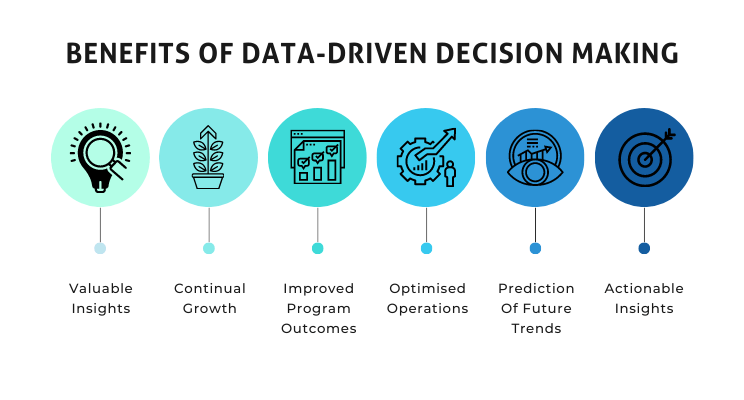
- Personalized Learning: AI algorithms can analyze student data to identify learning gaps, strengths, and areas for improvement. This enables teachers to personalize instruction, addressing each student’s unique needs.
- Informed Interventions: Data analytics can provide real-time insights into student progress, enabling teachers to detect students at risk early on and provide timely interventions.
- Decision Support: AI systems can assist teachers in making complex decisions related to curriculum pacing, grouping, and assessment. They can provide data-driven recommendations based on student performance.
- Increased Accountability: Data-driven teaching fosters accountability by providing teachers with concrete evidence of student progress and the effectiveness of instructional strategies.
- Improved Collaboration: Data can serve as a common language for teachers, administrators, and parents, facilitating collaboration and shared understanding of student learning.
Role of AI in Data-driven Teaching
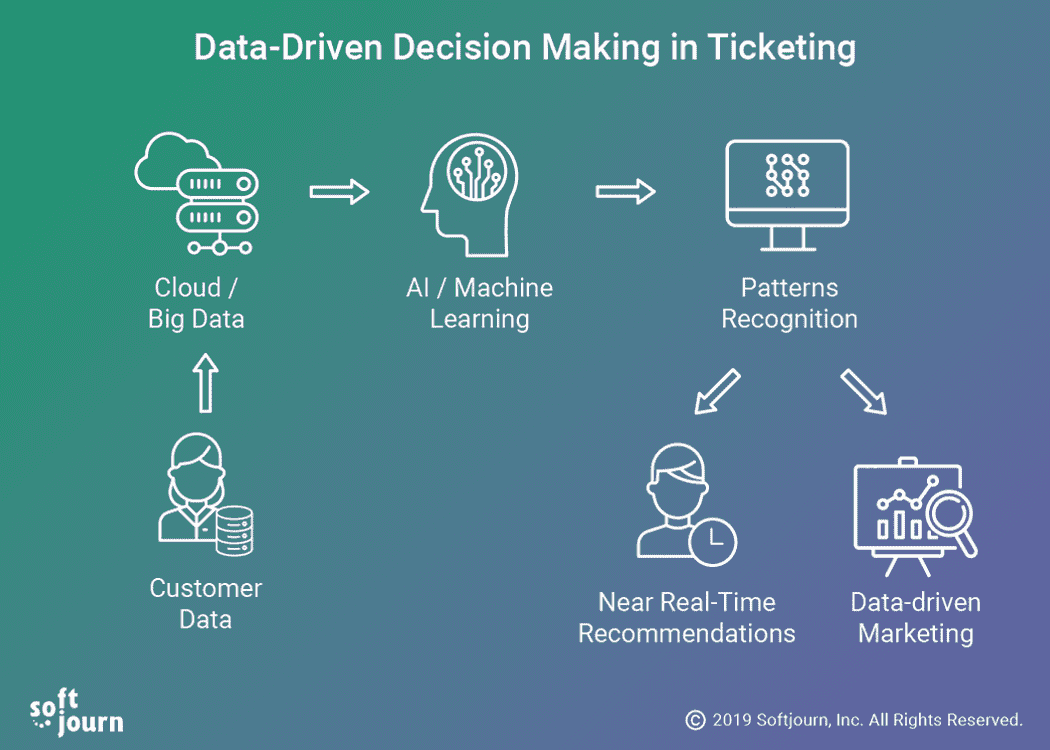
- Data Collection and Analysis: AI algorithms can automatically gather and process vast amounts of data from various sources, such as assignments, assessments, and behavioral observations.
- Pattern Recognition: AI can identify patterns and trends in student data that are not easily discernible by human observation.
- Predictive Analytics: AI models can predict student outcomes based on historical data, enabling teachers to anticipate future challenges and take proactive measures.
- Recommendation Systems: AI systems can generate personalized recommendations for students, including appropriate learning activities, content, and support strategies.
- Automated Feedback: AI-powered tools can provide real-time feedback to students on their work, reinforcing learning and improving self-assessment skills.
Ethical Considerations
While AI offers tremendous potential for data-driven teaching, it is crucial to address ethical considerations:
- Privacy: Ensuring the confidentiality and protection of student data is paramount.
- Equity: AI systems should be designed to avoid bias and promote equitable outcomes for all students.
- Transparency: Teachers and students should understand how AI algorithms are used and the rationale behind their recommendations.
Implementing Data-driven Teaching
To effectively implement data-driven teaching, schools and teachers should consider the following steps:
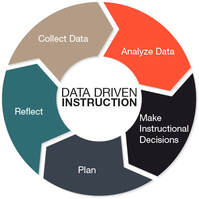
- Establish Clear Goals: Determine specific student learning outcomes that will be tracked and analyzed.
- Collect Relevant Data: Identify the appropriate data sources, such as assessments, attendance, and student interactions.
- Analyze and Interpret Data: Use AI tools to analyze data, identify patterns, and make informed decisions.
- Develop Action Plans: Based on data insights, teachers should develop targeted interventions and instructional strategies.
- Monitor Progress and Make Adjustments: Regularly track student progress and adjust plans as needed based on emerging data.
Conclusion
Data-driven teaching, powered by AI, empowers educators with the insights and support they need to make informed decisions and improve student learning. By leveraging the power of data, teachers can personalize instruction, provide timely interventions, and foster collaboration, ultimately leading to improved outcomes for all students. However, it is essential to prioritize ethical considerations and ensure that AI systems are used in a fair and equitable manner.## Data-driven Teaching: Leveraging AI For Informed Decision Making
Executive Summary
This article explores the transformative potential of data-driven teaching, powered by artificial intelligence (AI), to empower educators with data-informed insights that enhance student learning. By harnessing the power of technology, educators can gain a deeper understanding of students’ strengths, weaknesses, and learning styles, enabling them to tailor instruction and create personalized learning experiences that foster academic success.
Introduction
In today’s rapidly evolving educational landscape, the need for data-driven teaching has become paramount. The integration of AI into the teaching process offers educators an unprecedented opportunity to collect, analyze, and utilize data to improve student outcomes. This article delves into the key aspects of data-driven teaching, the benefits it offers, and practical strategies for implementing it in the classroom.
Frequently Asked Questions (FAQs)
What is data-driven teaching?
Answer: Data-driven teaching involves collecting, analyzing, and using student data to inform instructional decisions, enhance learning, and improve student outcomes.Why is data-driven teaching important?
Answer: Data-driven teaching enables educators to understand students’ strengths and weaknesses, tailor instruction, identify areas for improvement, and track progress towards learning goals.How can AI be used in data-driven teaching?
Answer: AI can automate data collection and analysis, provide personalized recommendations, generate reports, and offer insights into student learning patterns and preferences.
Subtopics
Data Collection
Data collection is the foundation of data-driven teaching. It involves gathering information about students’ academic performance, learning behavior, and demographics.
- Assessments: Formal and informal assessments provide data on students’ knowledge, skills, and understanding.
- Student Interactions: Data can be collected through classroom observations, discussions, and online platforms to capture students’ engagement and learning styles.
- Feedback Mechanisms: Surveys, polls, and self-reflections allow students to provide feedback on their learning experiences and areas for improvement.
Data Analysis
Data analysis involves interpreting and making sense of the collected data to identify patterns, trends, and areas for improvement.
- Descriptive Statistics: Basic statistics, such as mean, median, and mode, describe the central tendencies and spread of data.
- Inferential Statistics: Statistical tests allow educators to make predictions and draw conclusions about students’ learning based on the data.
- Data Visualization: Charts, graphs, and dashboards help visualize data and highlight key findings, making it easier to identify patterns and trends.
Instructional Decision Making
Data-informed decision making involves using the analyzed data to make evidence-based decisions about teaching strategies, curriculum, and interventions.
- Personalized Learning: Data can guide the creation of personalized learning plans that cater to individual students’ strengths, weaknesses, and learning styles.
- Targeted Interventions: Data analysis can identify students who may benefit from additional support or enrichment opportunities.
- Curriculum Adjustments: Data can inform curriculum revisions and the selection of teaching materials that best meet the needs of students.
Assessment and Evaluation
Data-driven teaching emphasizes ongoing assessment and evaluation to track student progress and the effectiveness of instructional decisions.
- Formative Assessment: Frequent formative assessments provide timely feedback to students and educators, allowing for adjustments in teaching and learning strategies.
- Summative Assessment: Summative assessments measure student learning at regular intervals to evaluate the overall effectiveness of instruction.
- Data Tracking: Educators can use data tracking tools to monitor student progress over time and identify areas for improvement.
Collaboration and Communication
Data-driven teaching requires collaboration among educators, students, and parents to make the best use of data.
- Student-Teacher Collaboration: Involving students in data analysis and decision making empowers them and promotes ownership of their learning.
- Teacher Collaboration: Educators can share data and insights to develop collective solutions and improve overall teaching practices.
- Parent Communication: Sharing data with parents keeps them informed of their child’s progress and fosters home-school collaboration.
Conclusion
Data-driven teaching, powered by AI, is a transformative approach that empowers educators with data-informed insights to make informed decisions that enhance student learning. By leveraging data to understand students’ strengths and weaknesses, personalize instruction, and track progress, educators can create a more equitable and effective learning environment for all students. As technology continues to advance, the potential of data-driven teaching will only continue to grow, providing educators with new and innovative ways to unlock student potential.
Keyword Tags
- Data-driven teaching
- Artificial intelligence
- Educational technology
- Personalized learning
- Student assessment