Increased Productivity:
- Eliminates distractions and allows for focused work, resulting in higher output.
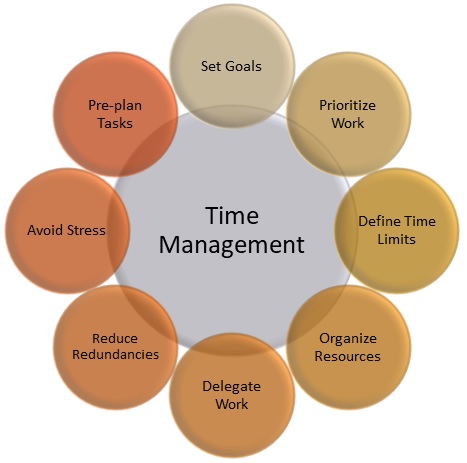
- Prioritizes tasks based on importance and urgency, ensuring that essential tasks are completed first.
Enhanced Efficiency:
- Streamlines workflows and reduces wasted time.
- Automates routine tasks or delegates them to others, freeing up time for more valuable activities.
Reduced Stress and Anxiety:
- Provides a sense of control and organization, reducing feelings of overwhelm.
- Ensures deadlines are met without last-minute panic or stress.
Improved Work-Life Balance:
- Enables efficient completion of work tasks within designated hours.
- Allows for more time for personal life, hobbies, and relaxation.
Increased Job Satisfaction:
- Accomplishing tasks effectively and on time boosts confidence and motivation.
- Reduces the frustration and stress associated with poor time management.
Better Decision-Making:
- Provides adequate time for research, analysis, and contemplation.
- Promotes informed decision-making by considering all the relevant factors.
Enhanced Communication:
- Time management allows for timely responses to emails, phone calls, and meetings.
- Improves communication by eliminating delays and confusion.
Increased Profitability (for Businesses):
- Optimizes resource allocation and reduces operating costs.
- Ensures timely project completion, leading to increased revenue and profitability.
Improved Collaboration:
- Clear timelines and communication help teams stay organized and work together seamlessly.
- Reduces misunderstandings and conflicts by ensuring everyone is on the same page.
Personal Development:
- Frees up time for learning, development, and skill acquisition.
- Allows for reflection and self-improvement, leading to professional and personal growth.# The Benefits Of Effective Time Management
Executive Summary
Effective time management is a crucial skill that can benefit individuals and organizations in numerous ways. This article explores the significant advantages of time management, providing insights into how optimizing time can enhance productivity, reduce stress, improve decision-making, foster better relationships, and contribute to overall success. By implementing effective time management strategies, individuals and teams can unlock their full potential, achieve their goals more efficiently, and lead more fulfilling lives.
Introduction
In today’s fast-paced world, effective time management has become indispensable. Time is a finite resource, and managing it wisely can make a profound difference in our personal and professional lives. By implementing effective time management strategies, we can maximize our productivity, reduce stress, improve our decision-making, foster better relationships, and achieve our goals more efficiently. This article delves into the multifaceted benefits of effective time management, exploring how it can empower individuals and organizations to thrive in the modern era.
FAQs
Q: Why is time management important?
A: Effective time management helps individuals and organizations optimize their use of time, leading to increased productivity, reduced stress, improved decision-making, better relationships, and overall success.
Q: How can I improve my time management skills?
A: To improve time management skills, consider using techniques like setting priorities, creating schedules, delegating tasks, and eliminating distractions.
Q: What are the common challenges in effective time management?
A: Common challenges include procrastination, lack of prioritization, poor planning, excessive distractions, and unclear goals.
Top 5 Subtopics
Increased Productivity
Effective time management empowers individuals and teams to accomplish more in less time. By setting clear priorities, creating realistic schedules, and eliminating distractions, we can maximize our output and achieve greater results.
- Prioritization: Identifying and focusing on the most important tasks ensures that critical activities receive the necessary attention.
- Scheduling: Creating a structured plan for the allocation of time helps prevent procrastination and ensures that tasks are completed on time.
- Eliminating Distractions: Minimizing interruptions and creating a distraction-free environment allows for uninterrupted work and improved focus.
- Delegation: Assigning tasks to others based on their skills and capabilities frees up time for higher-value activities.
- Time Tracking: Monitoring how time is spent provides insights into areas where efficiency can be improved.
Reduced Stress
Effective time management significantly reduces stress levels. When tasks are organized and completed efficiently, individuals experience a sense of accomplishment and control over their time.
- Reduced Anxiety: Knowing that tasks are under control and deadlines are being met alleviates anxiety and creates a calmer work environment.
- Improved Work-Life Balance: Effective time management allows for a healthier balance between work and personal life, reducing stress and promoting well-being.
- Increased Job Satisfaction: Accomplishing tasks effectively and efficiently leads to increased job satisfaction and motivation.
- Better Sleep Quality: Completing tasks on time and reducing stress levels contribute to improved sleep quality and overall health.
- Improved Decision-Making
Effective time management enables individuals to make well-informed decisions by providing ample time for research, reflection, and analysis.
- Clarity of Thought: Reduced stress levels and improved focus enhance cognitive abilities and clarity of thought.
- Thorough Research: Time management allows for thorough research and gathering of relevant information before making decisions.
- Consideration of Alternatives: Effective time management provides space for exploring various options and evaluating potential outcomes.
- Risk Assessment and Mitigation: Ample time for analysis enables identification and mitigation of potential risks associated with decisions.
- Timely Decisions: Effective time management ensures that decisions are made in a timely manner, avoiding delays and missed opportunities.
Fostered Relationships
Effective time management strengthens relationships by allowing individuals to fulfill commitments, respect others’ time, and communicate effectively.
- Improved Communication: Time management skills enable individuals to communicate deadlines and expectations clearly, avoiding misunderstandings and conflicts.
- Increased Reliability: Completing tasks on time builds trust and reliability, fostering stronger relationships with colleagues and clients.
- Effective Collaboration: Respecting others’ time and meeting commitments promotes effective collaboration and teamwork.
- Strengthened Personal Relationships: Time management allows individuals to allocate time for personal relationships, nurturing connections and fostering emotional well-being.
- Improved Conflict Resolution: Effective time management helps prevent conflicts by reducing stress levels and allowing for timely and constructive resolution.
Personal and Professional Growth
Effective time management is essential for personal and professional growth. By optimizing time, individuals and organizations can invest in continuous learning, skill development, and self-improvement.
- Increased Learning Opportunities: Effective time management creates space for pursuing educational opportunities, attending workshops, or reading books.
- Skill Development: Time management enables individuals to allocate time for practicing and developing new skills, enhancing their capabilities.
- Improved Goal Setting and Achievement: Effective time management empowers individuals to set and achieve challenging goals, leading to personal and professional growth.
- Increased Innovation: Time management fosters creativity and innovation by providing time for brainstorming, experimentation, and idea development.
- Enhanced Career Advancement: Effective time management skills are highly valued in the workplace, contributing to career advancement and professional success.
Achieved Success
Effective time management is a cornerstone of success in both personal and professional endeavors. By managing time wisely, individuals and organizations can accomplish their goals, maximize their potential, and lead fulfilling lives.
- Increased Goal Achievement: Effective time management enables individuals to set clear goals, prioritize tasks, and consistently work towards their objectives.
- Enhanced Productivity and Efficiency: Time management strategies optimize productivity and efficiency, leading to greater output and improved results.
- Maximized Potential: Effective time management allows individuals and organizations to unlock their full potential and achieve their best outcomes.
- Increased Control and Empowerment: Time management empowers individuals with a sense of control over their time and lives, leading to greater confidence and self-sufficiency.
- Improved Quality of Life: Effective time management contributes to a better quality of life by reducing stress, improving relationships, and creating opportunities for personal and professional growth.
Conclusion
Effective time management is an invaluable skill that can transform personal and professional lives. By implementing effective time management strategies, we can maximize our productivity, reduce stress, improve our decision-making, foster better relationships, and achieve our goals more efficiently. Whether you’re a student, an employee, or an entrepreneur, embracing effective time management will empower you to unlock your full potential, lead a more fulfilling life, and achieve lasting success.
Relevant Keyword Tags
- Time Management
- Productivity
- Stress Reduction
- Decision Making
- Relationship Building
- Personal Growth
- Professional Success