Essential Tips for Effective Note-Taking
1. Prepare Beforehand:
- Review the material before class to familiarize yourself with the concepts.
- Bring necessary pens, pencils, and a notebook to each lecture.
2. Active Listening:
- Pay attention and identify key points.
- Ask questions to clarify your understanding.
- Summarize the speaker’s main ideas in your own words.
3. Note-Taking Techniques:
- Cornell Method: Divide your page into three sections: Notes, Cues, and Summary. In Notes, record the lecture content. In Cues, write short questions or keywords. In Summary, write a brief overview after the lecture.
- Outline Method: Create an organized outline with headings, subheadings, and key details.
- Bullet Method: List down key points using bullet points. Use indentation for subtopics.
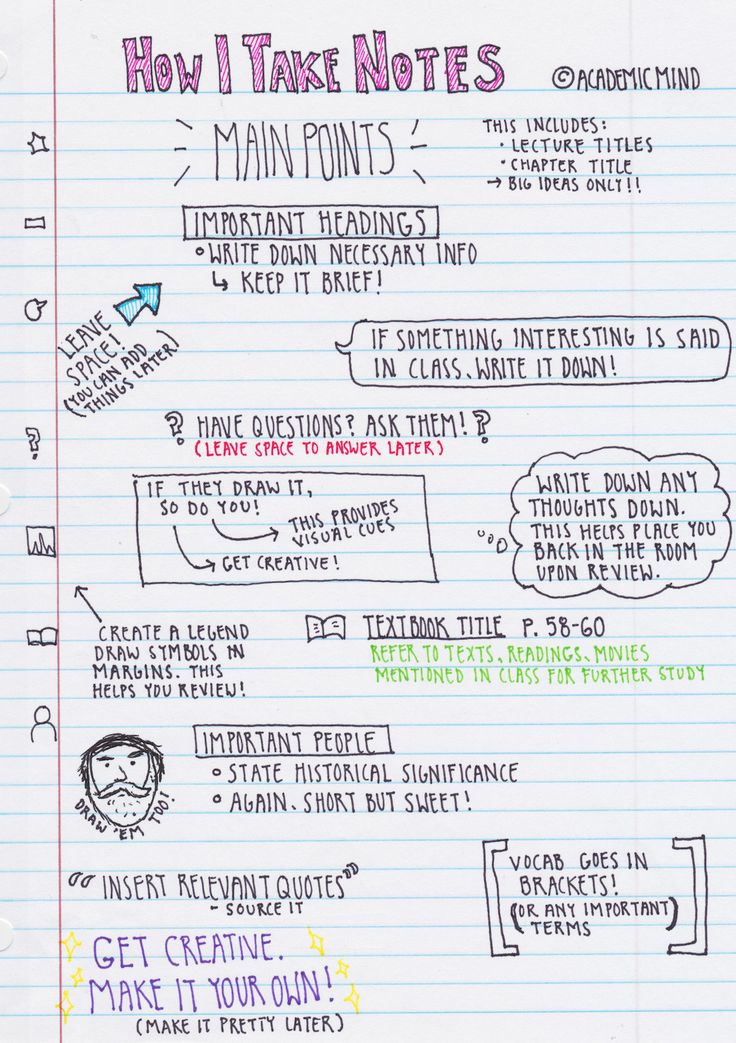
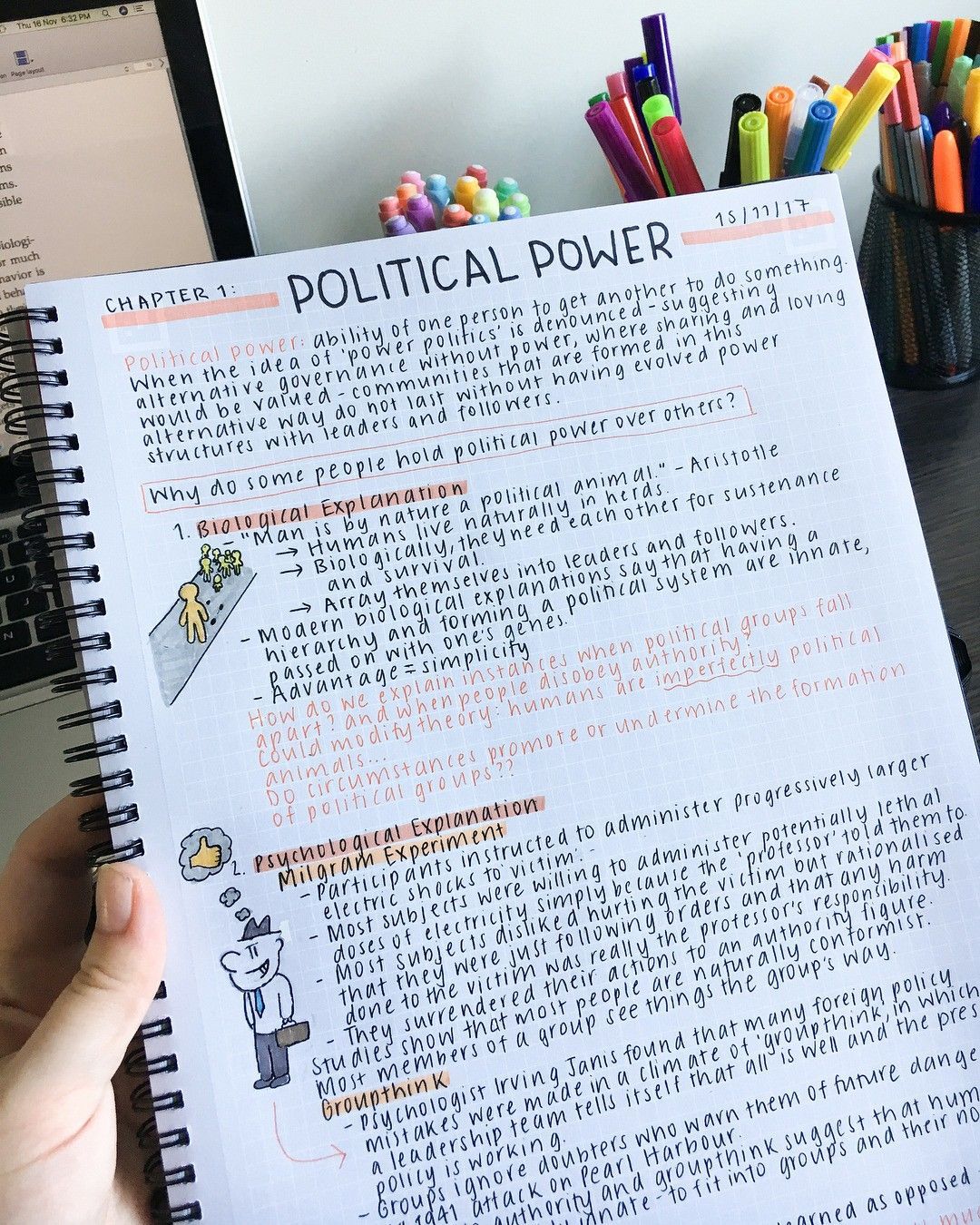
- Sketchnoting: Draw diagrams, mind maps, and visual representations to enhance understanding.
4. Selective Note-Taking:
- Don’t try to write down everything. Focus on the most important concepts.
- Use abbreviations, symbols, and shorthand to save time.
5. Personalization:
- Develop a note-taking system that works best for you.
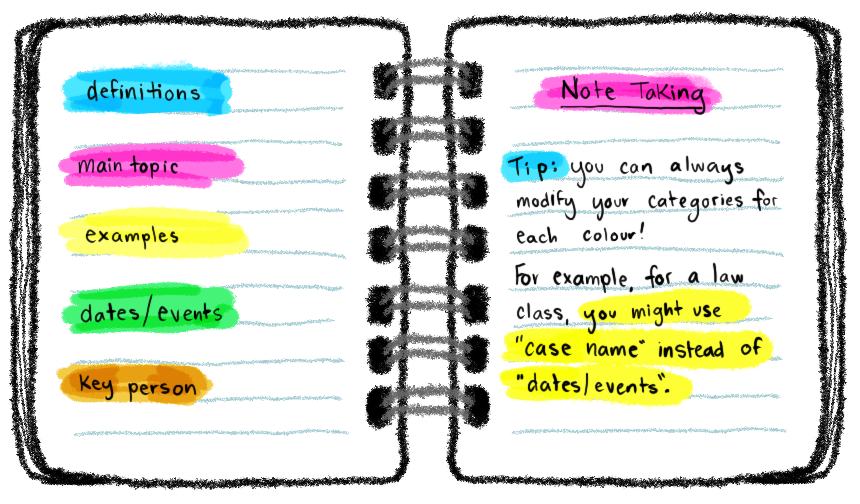
- Use different colors, fonts, or symbols to highlight key points.
6. Review and Revise:
- Review your notes regularly to reinforce your understanding.
- Add additional information or insights as needed.
Techniques for Specific Academic Disciplines
Science and Math:
- Use formulas, equations, and diagrams to illustrate concepts.
- Convert verbal explanations into numerical data or graphs.
Humanities and Social Sciences:
- Focus on understanding the author’s argument, perspective, and evidence.
- Identify key themes, concepts, and opposing viewpoints.
Arts and Design:
- Sketch or draw to capture visual elements.
- Describe colors, textures, and techniques used.
- Analyze the artist’s intentions and inspirations.
Additional Tips
- Use a variety of note-taking tools (laptop, tablet, notebook).
- Experiment with different note-taking styles.
- Seek feedback from professors or classmates to improve your note-taking skills.
- Remember, note-taking is not just about recording information; it’s about actively engaging with the material and making it meaningful to your own understanding.## Taking Notes Like A Pro: Essential Tips And Techniques For Academic Success
Executive Summary:
Effective note-taking is a crucial skill for academic success. It allows students to actively engage with learning material, improve retention, and develop critical thinking abilities. This comprehensive guide provides essential tips and techniques to help students master the art of note-taking, enhancing their learning experience and maximizing their academic performance.
Introduction:
Taking notes is not merely copying down information from textbooks or lectures. It is an active process that involves listening, understanding, analyzing, and synthesizing information. By employing effective note-taking methods, students can transform passive learning into a dynamic and engaging experience. This article will explore various note-taking strategies, techniques, and tools to empower students with the knowledge and skills they need to excel in their studies.
Frequently Asked Questions (FAQs):
Why is note-taking important?
- Improves retention by actively engaging the brain in processing information.
- Enhances comprehension by forcing students to summarize and interpret material.
- Aids in critical thinking by encouraging analysis and synthesis of information.
- Facilitates review by providing a readily accessible repository of key concepts.
When is the best time to take notes?
- During lectures: Capture essential information disampaikan by the instructor.
- While reading: Summarize and highlight important ideas from textbooks and articles.
- After studying: Review and condense notes to reinforce understanding.
How can I improve my note-taking skills?
- Use effective note-taking methods (e.g., Cornell Method, Outline Method).
- Engage in active listening and understanding (e.g., paraphrasing, summarizing).
- Employ visual cues (e.g., diagrams, charts) to enhance retention.
- Utilize technology (e.g., note-taking apps, digital recorders) to supplement traditional methods.
Top 5 Note-Taking Techniques:
Cornell Method:
- Divides a page into three sections: notes, cues, and summary.
- Notes: Jot down key points and concepts during lectures or reading.
- Cues: Write down questions, keywords, or symbols that relate to the notes.
- Summary: Provides a concise overview of the material after reviewing notes and cues.
Outline Method:
- Creates a hierarchical structure using headings, subheadings, and bullet points.
- Identifies key concepts and their relationships using indentation and numbering.
- Facilitates easy organization and understanding of complex material.
Sketchnoting:
- Combines notes with visual elements (e.g., drawings, symbols, icons).
- Enhances creativity, visual memory, and engagement with the material.
- Helps students make connections and associations between concepts.
Bullet Journaling:
- Adaptable and customizable system for note-taking, task management, and habit tracking.
- Allows students to create personalized notes based on their individual needs and preferences.
- Provides flexibility and encourages reflection and review.
Active Reading:
- Engages students in active and critical reading of texts.
- Involves highlighting, annotating, summarizing, and creating mind maps to extract and retain key information.
- Fosters a deeper understanding of the material by encouraging analysis and synthesis.
Conclusion:
Effective note-taking is an essential skill for students to master for academic success. By implementing the strategies and techniques outlined in this guide, students can enhance their ability to retain information, improve comprehension, and develop critical thinking abilities. Note-taking is a powerful tool that transforms passive learning into an active and engaging process, empowering students to excel in their academic endeavors.
Keyword Tags:
- Note-taking techniques
- Academic success
- Cornell Method
- Outline Method
- Active Reading