1. Improved Problem-Solving Skills:
- Critical thinking enhances students’ ability to analyze problems, identify patterns, and develop logical solutions.
- This is essential for academic tasks such as solving math problems, writing essays, and conducting research.
2. Enhanced Comprehension and Understanding:
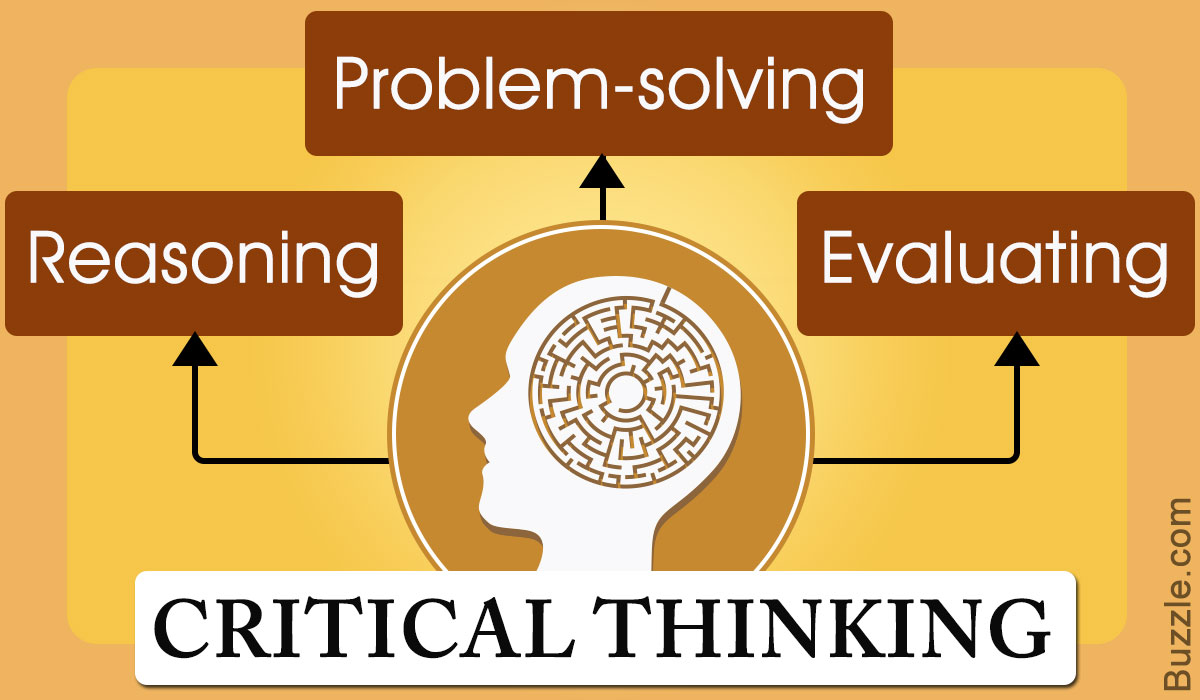
- Critical thinking skills enable students to actively engage with course material.
- They can analyze information, question assumptions, and evaluate evidence, leading to a deeper understanding of concepts.
3. Better Reading and Writing Abilities:

- Critical thinkers develop strong reading comprehension skills, allowing them to extract meaning from texts and identify bias or inconsistencies.
- This translates to improved writing abilities, as they can present arguments effectively and support their claims with evidence.
4. Increased Confidence and Motivation:
- Students who engage in critical thinking develop a sense of confidence in their academic abilities.
- They become more resilient and motivated to tackle challenging tasks, as they believe they have the skills to succeed.
5. Adaptability and Transferable Skills:
- Critical thinking is a transferable skill that students can apply in various academic disciplines and beyond.
- It fosters adaptability and allows them to approach new challenges with a structured and logical approach.
6. Improved Decision-Making:
- Critical thinking enables students to weigh options, consider consequences, and make informed decisions.
- This is valuable for academic tasks such as choosing courses, selecting research topics, and participating in class discussions.
7. Higher-Order Cognitive Skills:
- Critical thinking involves higher-order cognitive skills such as analysis, synthesis, and evaluation.
- These skills are essential for academic success and prepare students for the demands of college and beyond.
8. Enhanced Metacognition:
- Critical thinkers become aware of their own thinking processes and can reflect on their understanding.
- This metacognition helps them identify areas for improvement and develop effective study strategies.
9. Preparation for Complex Thinking Tasks:
- Critical thinking equips students with the skills they need to tackle complex tasks, such as writing dissertations, conducting research, or participating in advanced seminars.
- It allows them to approach these challenges with confidence and a structured approach.
10. Increased Critical Literacy:
- Critical thinking fosters critical literacy, the ability to critically analyze text, images, and other media.
- This is essential for evaluating information sources, avoiding misinformation, and making informed decisions in today’s digital world.The Connection Between Critical Thinking And Academic Success
Executive Summary
Critical thinking is a fundamental skill that enhances students’ academic performance. It enables them to analyze, evaluate, and synthesize information, leading to improved problem-solving, decision-making, and communication abilities. This article explores the intricate link between critical thinking and academic success, highlighting specific subtopics that contribute to students’ cognitive development and academic achievements.
Introduction
In today’s information-rich society, students are confronted with a vast array of data and opinions. Critical thinking empowers them to navigate this complex landscape by critically evaluating information, identifying biases, and constructing well-reasoned arguments. This skillset is instrumental in all academic disciplines and promotes success throughout students’ educational journeys.
FAQs
Q: What is critical thinking?
- Critical thinking refers to the ability to think clearly and rationally about what to do or what to believe. It involves analyzing information, recognizing relationships, and making reasoned judgments.
Q: Why is critical thinking important for academic success?
- Critical thinking is essential for academic success because it enables students to comprehend complex concepts, evaluate evidence, solve problems, and communicate their ideas effectively.
Q: How can I improve my critical thinking skills?
- Engaging in active learning, questioning assumptions, seeking diverse perspectives, and practicing problem-solving can enhance critical thinking skills.
Subtopics
Analysis
- Deconstructing Information: Breaking down complex ideas into smaller components to understand their interconnectedness.
- Identifying Patterns: Recognizing and interpreting patterns in data, events, or arguments to uncover underlying relationships.
- Recognizing Assumptions: Examining unstated beliefs or premises that influence conclusions and making them explicit.
- Evaluating Evidence: Assessing the credibility, relevance, and sufficiency of evidence used to support claims.
Evaluation
- Determining Credibility: Assessing the reliability and trustworthiness of sources of information.
- Bias Identification: Recognizing and understanding potential biases that may influence arguments or perspectives.
- Logical Reasoning: Applying logical principles to evaluate the validity of conclusions based on the evidence presented.
- Problem Solving: Identifying and solving problems through systematic analysis and synthesis of information.
Interpretation
- Drawing Inferences: Making logical connections between facts, ideas, and evidence to form meaningful conclusions.
- Explaining Relationships: Discovering and articulating the connections and interactions between concepts and ideas.
- Creating Arguments: Constructing logical and persuasive arguments based on evidence and sound reasoning.
- Communicating Ideas: Effectively expressing and communicating thoughts, ideas, and arguments in a clear and well-organized manner.
Inference
- Making Predictions: Drawing logical conclusions about future events based on past experiences or evidence.
- Recognizing Cause and Effect: Identifying relationships between actions or events and their consequences.
- Identifying Generalizations: Drawing broader conclusions from specific observations or experiences.
- Formulating Hypotheses: Developing possible explanations for observations or phenomena based on available evidence.
Decision Making
- Weighing Alternatives: Considering different options and their potential consequences before making a choice.
- Prioritizing Information: Identifying and focusing on the most relevant and important information for decision-making.
- Applying Ethical Considerations: Incorporating ethical principles and values into decision-making processes.
- Evaluating Outcomes: Assessing the results of decisions and making adjustments as necessary.
Conclusion
Critical thinking is an indispensable skill that fosters academic excellence. By developing their analytical, evaluative, interpretive, inferential, and decision-making abilities, students enhance their ability to engage with academic material, comprehend complex ideas, and formulate well-reasoned conclusions. This skillset extends beyond the classroom, equipping students with the tools to navigate the complexities of modern society and make informed decisions throughout their lives.
Keyword Tags
- Critical thinking
- Academic success
- Analysis
- Evaluation
- Decision-making