5 Time Management Strategies for Exam Success:
Prioritize Your Tasks:

- Break down study materials into smaller chunks.
- Identify the most important concepts and topics that will be tested.
- Focus on these priority areas first to ensure you have a solid foundation.
Create a Realistic Study Schedule:

- Plan out study sessions in advance to avoid cramming.
- Allocate specific time slots for each subject and topic.
- Allow breaks to prevent burnout and retain information better.
Use the Pomodoro Technique:
- Work in focused intervals of 25 minutes, followed by short breaks of 5 minutes.
- After four intervals, take a longer break of 20-30 minutes.
- This approach helps maintain concentration and prevents overstimulation.
Utilize Study Resources Effectively:
- Attend lectures and take detailed notes.
- Review textbooks, summaries, and online materials to reinforce knowledge.
- Use flashcards or mind maps to memorize key concepts.
- Seek clarification from instructors or peers when needed.
Practice Self-Testing:
- Regularly test your understanding by taking practice exams or quizzes.
- Identify areas where you need additional review.
- Focus on understanding the concepts rather than just memorizing facts.
- Use practice tests to assess your progress and build confidence.## 5 Time Management Strategies To Help You Ace Your Exams

Executive Summary
Time management is a crucial skill for students, especially during exam season. By effectively managing your time, you can reduce stress, improve focus, and increase your chances of academic success. Here are five proven strategies to help you ace your exams:
Introduction
Exams are a stressful part of academic life, but they don’t have to be overwhelming. With the right time management strategies, you can approach exams with confidence and maximize your performance.
FAQ
Q: How can I create an effective study schedule?
Q: How do I prioritize tasks and allocate time wisely?
Q: What are some techniques for staying motivated and focused during study sessions?
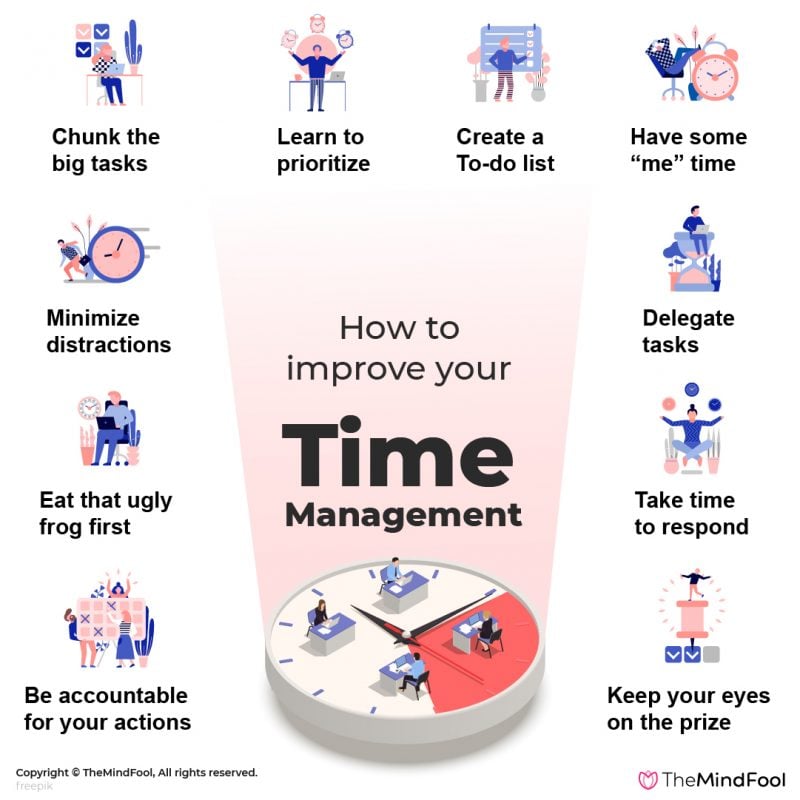
Prioritize and Plan
Identify High-Priority Tasks:
- Determine which subjects or topics are most important and require immediate attention.
- Focus on these tasks during your most productive hours.
- Break down large tasks into smaller, manageable chunks.
Create a Realistic Schedule:
- Allocate specific times for studying, taking breaks, and relaxing.
- Stick to the schedule as much as possible to create a consistent routine.
- Consider your daily commitments and adjust the schedule accordingly.
Use Time-Management Tools:
- Utilize calendars, planners, or to-do lists to keep track of appointments, deadlines, and tasks.
- Set reminders and alarms to stay on schedule.
- Consider using project management software to organize tasks and track progress.
Set Study Boundaries
Establish Designated Study Spaces:
- Identify specific areas for studying where you can minimize distractions and focus effectively.
- Create a comfortable and well-lit environment.
- Remove any potential distractions such as phones or social media.
Minimize Multitasking:
- Avoid multitasking during study sessions as it can hinder focus and reduce productivity.
- Dedicate specific time slots to each subject or task.
- Break down tasks into smaller units to make them less daunting.
Schedule Breaks:
- Regular breaks are essential to maintain focus and prevent burnout.
- Schedule short breaks every hour or two to rest your mind.
- Use breaks for activities that recharge you, such as listening to music or taking a quick walk.
Active Studying
Review Regularly:
- Regularly review the material you have covered to solidify your understanding.
- Utilize flashcards, notes, or online resources for active recall.
- Repeat the process at increasing intervals to enhance long-term retention.
Engage in Practice Questions:
- Solve practice questions and past exam papers to assess your understanding of the subject matter.
- Identify areas where you need further clarification and focus your studies accordingly.
- Time yourself while solving practice questions to improve time management skills.
Use Active Learning Techniques:
- Engage in active learning methods such as creating mind maps, diagrams, or summaries.
- Explain the concepts to yourself or a study buddy to reinforce your understanding.
- Teach the material to others to solidify your knowledge.
Stay Motivated
Set Realistic Goals:
- Break down large goals into smaller, achievable targets.
- Track your progress and reward yourself for milestones reached.
- Celebrate your successes to stay motivated and boost confidence.
Find Study Buddies:
- Study with friends or classmates who share similar goals.
- Motivate and support each other to stay on track.
- Exchange notes, collaborate on projects, and quiz each other to enhance understanding.
Reward Yourself:
- Plan non-academic activities that you enjoy as rewards for completing study sessions or achieving goals.
- Use rewards as incentives to stay focused and maintain motivation.
- Avoid over-rewarding yourself to prevent it from becoming a distraction.
Conclusion
Effective time management is a game-changer for academic success. By implementing these five strategies, you can optimize your study schedule, minimize stress, and maximize your exam performance. Remember, time management is not about doing more but about doing the right things at the right time. Embrace these strategies, create a personalized study plan, and watch your exam scores soar.
Keyword Tags:
- Time management
- Exam preparation
- Study strategies
- Prioritization
- Active studying