Connection Between Seeking Help and Building Relationships in College
College can be a time of significant change and transition, presenting both challenges and opportunities for students. Seeking help for academic, emotional, or personal issues can not only support academic success but also foster meaningful relationships.
Benefits of Seeking Help:
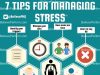
- Reduces Stress and Anxiety: Seeking help can alleviate stress by providing students with coping mechanisms and support.
- Improves Academic Performance: Academic assistance can enhance understanding of course material and improve grades.
- Enhances Self-Awareness: Therapy or counseling can help students gain insights into their strengths, weaknesses, and areas for growth.
- Develops Problem-Solving Skills: Seeking help teaches students how to identify and address challenges effectively.
How Seeking Help Fosters Relationships:
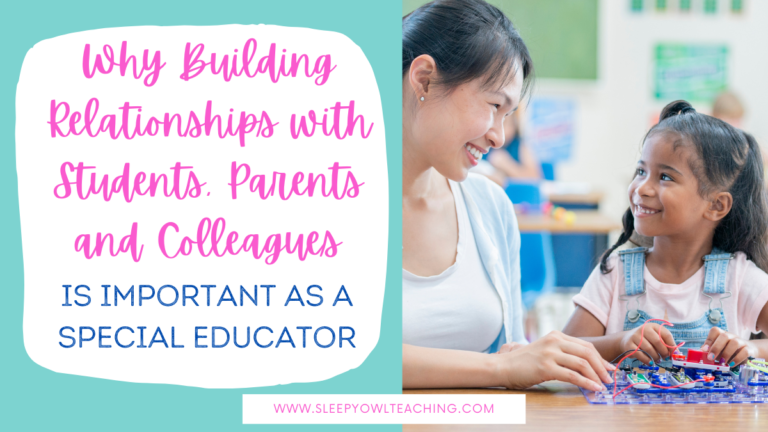
- Creates a Support System: Seeking help connects students with professionals, peers, and faculty who offer support and understanding.
- Reduces Isolation: Reaching out for help can break down barriers and allow students to feel less alone.
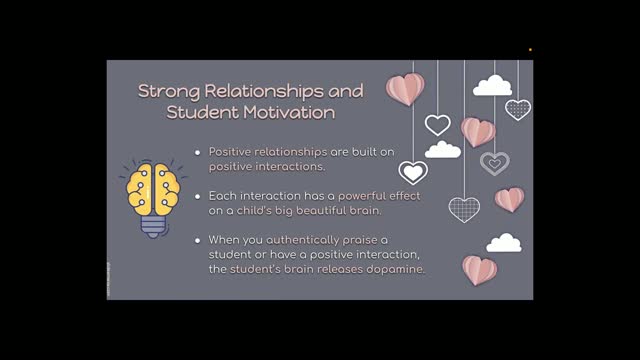
- Demonstrates Vulnerability: Asking for help shows others that you are not afraid to admit your weaknesses, which can make them more open to connecting with you.
- Builds Trust: Seeking help from a therapist or counselor creates a safe and confidential space where students can be honest and transparent, which can strengthen trust in relationships.
- Inspires Empathy: Witnessing someone seeking help can foster empathy and understanding in others, making them more supportive and approachable.
Strategies for Building Relationships:
- Join Groups and Clubs: Engaging in extracurricular activities can provide opportunities to meet people with shared interests.
- Attend Social Events: College events, such as mixers and social gatherings, offer chances to connect with others in a relaxed setting.
- Reach Out to Classmates: Study groups, project collaborations, or simply sitting next to someone in class can help you build connections.
- Engage in Mentoring Programs: Connecting with upperclassmen, faculty, or professionals can provide guidance, support, and networking opportunities.
- Volunteer or Get Involved in Community Service: Sharing experiences with others can strengthen bonds and expand your social circle.
Conclusion:
Seeking help in college is not only crucial for academic and emotional well-being but also plays a pivotal role in building meaningful relationships. By reaching out for support, students can create a support system, reduce isolation, demonstrate vulnerability, and foster empathy. These connections contribute to a positive college experience and can last long beyond graduation.## The Connection Between Seeking Help And Building Relationships In College
Executive Summary
Building relationships and succeeding in college often require seeking help. This article explores the connection between these two aspects of the college experience, providing practical advice for students on how to navigate the challenges and opportunities of higher education. Understanding the benefits of seeking support, recognizing signs of needing assistance, overcoming barriers to help-seeking, and utilizing resources effectively can enhance students’ college experiences and foster meaningful connections.
Introduction
College is a transformative journey that presents both opportunities for growth and challenges that require support. Seeking help is an essential aspect of navigating these complexities, enabling students to build relationships, enhance their academic performance, and develop essential life skills. This article delves into the profound connection between seeking help and building relationships in college, offering insights and strategies for students to thrive in this dynamic environment.
FAQs
1. Why is seeking help important in college?
- It demonstrates self-awareness, maturity, and a willingness to grow.
- It connects students with resources and support networks that enhance their well-being and academic success.
- It fosters a sense of community and belonging, reducing feelings of isolation and promoting positive peer relationships.
2. How can seeking help build relationships?
- It creates opportunities for students to connect with professors, advisors, and peers who can provide guidance and support.
- It demonstrates vulnerability and openness, which can facilitate deeper and more meaningful connections.
- It fosters a sense of reciprocity, as those helping often feel valued and connected to the student.
3. What are the barriers to seeking help, and how can I overcome them?
- Stigma: Students may fear being perceived as weak or incompetent.
- Pride: Students may believe they should be able to handle everything on their own.
- Lack of awareness: Students may not be aware of the resources available to them or how to access them.
- To overcome these barriers, students should acknowledge their need for support, seek information about available resources, and challenge negative self-perceptions.
Top 5 Subtopics
Understanding the Need for Help
- Recognizing academic struggles: Persistent difficulty understanding course material or completing assignments.
- Experiencing emotional distress: Feeling overwhelmed, anxious, or depressed; having difficulty coping with academic or personal challenges.
- Noticing interpersonal conflicts: Difficulty building or maintaining relationships with peers, roommates, or professors.
- Observing physical symptoms: Persistent headaches, fatigue, or changes in sleep patterns that may indicate underlying stress or health concerns.
Identifying Resources for Support
- Academic support: Professors, teaching assistants, tutoring centers, and academic advising offices.
- Emotional and mental health support: Counseling centers, therapists, and peer support groups.
- Financial support: Financial aid offices, scholarships, and emergency funds.
- Social support: Clubs, organizations, and residential life programs.
Overcoming Barriers to Help-Seeking
- Challenging stigma: Recognizing that seeking help is a sign of strength and self-care.
- Building self-esteem: Believing in one’s own abilities and valuing one’s well-being.
- Practicing self-compassion: Treating oneself with kindness and understanding, even when facing challenges.
- Seeking support from trusted individuals: Confiding in friends, family members, or mentors who can provide emotional support and encouragement.
Building Relationships Through Help-Seeking
- Foster connections with professors: Engaging in office hours, attending extra help sessions, and seeking guidance outside of class.
- Collaborate with peers: Forming study groups, working on projects together, and providing mutual support.
- Establish rapport with advisors: Meeting regularly to discuss academic progress, career goals, and personal challenges.
- Engage with support staff: Utilizing counseling services, visiting health centers, and seeking assistance from campus resources.
Utilizing Resources Effectively
- Identify specific needs: Determine the type of support required (academic, emotional, financial, etc.).
- Research available options: Explore different resources and compare their services, availability, and cost.
- Make appointments promptly: Contact support services as soon as possible to schedule appointments or access resources.
- Be prepared to discuss concerns: Clearly articulate the challenges being faced and be open to suggestions and support.
Conclusion
Seeking help and building relationships are intertwined aspects of the college experience. By understanding the need for support, recognizing signs of distress, overcoming barriers, and utilizing campus resources effectively, students can empower themselves to thrive academically, emotionally, and socially. Seeking help fosters a sense of community, enhances well-being, and creates opportunities for lasting and meaningful relationships. Embracing the connection between seeking help and building relationships can transform the college journey into a transformative and fulfilling experience.
Keyword Tags
- College Support
- Relationship Building
- Help-Seeking
- Mental Health Support
- Academic Success