Early Intervention in Education
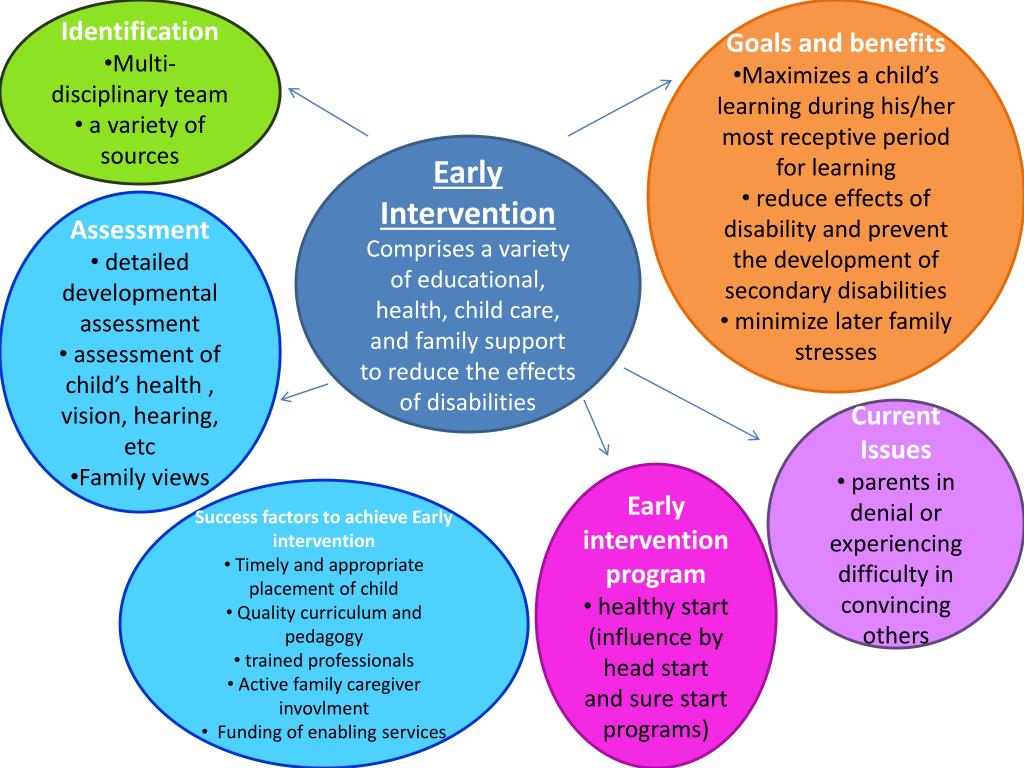
Early intervention programs aim to identify and support students who may be at risk for academic or behavioral difficulties. These programs provide targeted services and interventions to help students overcome barriers and reach their full potential.
Artificial Intelligence (AI) in Early Intervention
AI is rapidly transforming the field of education, including early intervention. AI-powered tools can automate tasks, analyze data, and provide personalized support to students and educators.
AI’s Role in Identifying At-risk Students
AI algorithms can analyze student data, such as attendance patterns, grades, and behavior observations, to identify students who may be at risk. By detecting early warning signs, educators can intervene promptly and provide targeted support.
AI-Assisted Support for At-risk Students
AI can assist in providing tailored support to at-risk students:
- Virtual Tutors: AI-driven virtual tutors can provide personalized instruction and support based on students’ individual needs.
- Adaptive Learning Platforms: AI-powered adaptive learning platforms adjust content and pacing to suit each student’s progress and learning style.
- Behavioral Interventions: AI algorithms can detect behavioral patterns and provide early alerts to educators, enabling them to respond proactively.
- Parent Engagement: AI tools can facilitate communication between educators and parents, providing updates on student progress and offering tailored resources.
Benefits of AI in Early Intervention
- Early Detection: AI enables the early identification of students who may be at risk, allowing for timely interventions.
- Personalized Support: AI tools provide personalized and adaptive support tailored to individual student needs.
- Data-Driven Decisions: AI algorithms process large amounts of data, helping educators make informed decisions about student support.
- Time Savings: AI can automate tasks and streamline processes, freeing up educators to focus on providing direct support to students.
- Increased Accessibility: AI-powered tools can reach students in remote or underserved areas who may not have access to traditional support systems.
Challenges and Ethical Considerations
While AI holds immense potential, it also poses challenges and ethical considerations:
- Data Privacy: Ensuring the responsible use and protection of student data is paramount.
- Bias Mitigation: AI algorithms must be designed to mitigate potential biases that could impact student identification and support.
- Job Displacement: AI automation may lead to job displacement for some educators, requiring workforce retraining and support.
- Teacher Autonomy: It is crucial to balance AI assistance with teacher judgment and professional discretion.
Conclusion
AI has the potential to revolutionize early intervention in education by enabling the early detection and tailored support of at-risk students. By harnessing the power of AI, educators can enhance their ability to provide effective and equitable support, ensuring that all students have the opportunity to succeed. However, it is essential to address ethical concerns and challenges to ensure responsible and beneficial implementation.## Early Intervention In Education: AI’s Role In Identifying And Supporting At-risk Students
Executive Summary
Artificial intelligence (AI) has the potential to revolutionize early intervention in education by providing educators with new tools to identify and support at-risk students. AI-powered systems can analyze data from a variety of sources, such as student assessments, behavior records, and demographic information, to identify students who are struggling academically or who are at risk of dropping out. This information can then be used to develop targeted interventions that can help these students succeed.
Introduction
Early intervention is essential for helping at-risk students succeed in school. Identifying and providing support to these students as early as possible in their careers can improve their educational outcomes.
FAQ
1. What is early intervention in education?
Early intervention in education is the process of providing support to students who are struggling academically or who are at risk of dropping out. This support can take many different forms, including:
- Academic tutoring
- Counseling
- Mentoring
- Social services
2. What are the benefits of early intervention?
Early intervention can help at-risk students improve their academic performance, reduce their dropout risk, and improve their overall well-being.
3. How can AI be used in early intervention?
AI can be used in early intervention to:
- Identify students who are struggling academically or who are at risk of dropping out.
- Develop targeted interventions that can help these students succeed.
- Track the progress of students who are receiving early intervention services.
Subtopics
1. Using AI to Identify At-risk Students
AI-powered systems can analyze data from a variety of sources to identify students who are struggling academically or who are at risk of dropping out. These systems can:
- Identify patterns in student data that are associated with academic struggles or dropout risk.
- Develop predictive models that can identify students who are at risk of falling behind.
- Provide educators with early warning signs that a student may be struggling.
2. Developing Targeted Interventions
Once at-risk students have been identified, AI can be used to develop targeted interventions that can help these students succeed. These interventions can:
- Be tailored to the individual needs of each student.
- Be delivered in a variety of ways, such as online, in-person, or through blended learning.
- Be evaluated and improved over time to ensure that they are effective.
3. Tracking Student Progress
AI can also be used to track the progress of students who are receiving early intervention services. This information can be used to:
- Monitor student progress and identify students who are not making adequate progress.
- Evaluate the effectiveness of early intervention programs.
- Make adjustments to programs as needed to improve their effectiveness.
4. Challenges of Using AI in Early Intervention
There are a number of challenges associated with using AI in early intervention. These challenges include:
- Data privacy and security concerns.
- Ensuring that AI systems are fair and unbiased.
- Developing AI systems that are effective and scalable.
5. The Future of AI in Early Intervention
Despite the challenges, the future of AI in early intervention is bright. As AI systems become more sophisticated, they will be able to provide educators with increasingly valuable tools to identify and support at-risk students.
Conclusion
Early intervention is essential for helping at-risk students succeed in school. AI has the potential to revolutionize early intervention in education by providing educators with new tools to identify and support these students. As AI systems become more sophisticated, they will be able to provide educators with increasingly valuable tools to help all students succeed.
Keyword Tags
- Early intervention
- AI
- At-risk students
- Dropout prevention
- Academic success