The Interdependence of Self-Care and Academic Achievement
Self-care and academic achievement are inextricably linked, forming a symbiotic relationship that influences one another.
Benefits of Self-Care on Academic Performance:

- Improved Cognitive Function: Self-care activities such as sleep, exercise, and healthy eating support cognitive functions such as attention, memory, and problem-solving.
- Reduced Stress and Anxiety: Stress and anxiety can hinder academic progress. Self-care practices like meditation and relaxation techniques help alleviate these negative emotions.
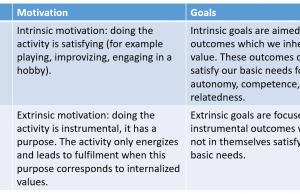
- Enhanced Motivation and Focus: Taking care of oneself fosters a sense of well-being, boosting motivation and enabling students to concentrate better on their studies.
- Improved Sleep Quality: Adequate sleep is crucial for memory consolidation and cognitive performance. Self-care strategies like establishing regular sleep routines promote restful sleep.
- Increased Emotional Regulation: Self-care helps students develop emotional resilience and manage negative emotions. This emotional stability contributes to a more positive and focused academic experience.
Consequences of Neglecting Self-Care on Academic Performance:
- Cognitive Impairment: Poor self-care habits such as sleep deprivation and unhealthy饮食 can lead to cognitive deficits, hindering learning and academic progress.
- Increased Stress and Anxiety: Neglecting self-care exacerbates stress and anxiety levels, which can impair focus, memory, and test performance.
- Reduced Motivation and Focus: When students feel overwhelmed and exhausted, they may lose motivation and struggle to concentrate on their studies.
- Diminished Sleep Quality: Irregular sleep patterns and insufficient sleep duration negatively impact cognitive function and academic achievement.
- Emotional Dysregulation: Neglecting self-care can lead to emotional instability, making it more difficult for students to cope with academic challenges and setbacks.
Strategies for Promoting Self-Care for Academic Success:
- Establish Healthy Sleep Habits: Set regular sleep-wake cycles, aim for 7-9 hours of sleep per night, and create a conducive sleep environment.
- Exercise Regularly: Engage in physical activity for at least 30 minutes most days of the week to reduce stress, improve mood, and enhance cognitive function.
- Adopt a Healthy Diet: Consume nutrient-rich foods that support brain health, such as fruits, vegetables, lean protein, and whole grains.
- Practice Relaxation Techniques: Engage in activities like meditation, yoga, or deep breathing to manage stress and enhance emotional well-being.
- Set Boundaries: Establish clear boundaries between study time and time for rest and self-care to prevent burnout and promote balance.
Conclusion:
Self-care is not an indulgence but a vital component of academic success. By prioritizing their well-being, students can enhance their cognitive function, reduce stress and anxiety, improve motivation and focus, and ultimately achieve their full academic potential. Neglecting self-care, on the other hand, can have detrimental consequences for academic performance. Therefore, fostering a culture that values self-care is essential for educational institutions and students alike.## The Link Between Self-care And Academic Achievement
Executive Summary
Self-care is vital to overall well-being. When students prioritize their physical, mental, and emotional health, they are better equipped to succeed academically. This article explores the connection between self-care and academic achievement, discussing key subtopics such as sleep, nutrition, stress management, relationships, and self-esteem. By understanding the importance of self-care, students can develop strategies to enhance their holistic well-being and maximize their academic potential.
Introduction
In today’s demanding educational environment, students often face overwhelming academic pressures. Amidst the relentless pursuit of grades and success, it is crucial to recognize the significance of self-care. Self-care encompasses a range of practices that nurture physical, mental, and emotional well-being. Studies have consistently demonstrated a strong correlation between prioritizing self-care and achieving academic success.
FAQs
What is self-care?
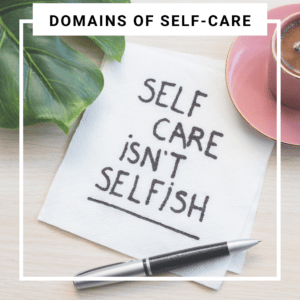
- Self-care refers to activities and practices that individuals engage in to maintain their physical, mental, and emotional health. It involves taking care of oneself in a holistic manner, addressing various aspects of well-being.
Why is self-care important for students?
- Self-care enables students to cope with academic stress, improve focus and concentration, enhance mood and well-being, and maintain a healthy balance between their academic and personal lives.
How can students practice self-care?
- Students can practice self-care through various activities, such as prioritizing sleep, maintaining a healthy diet, engaging in regular physical activity, cultivating healthy relationships, and developing coping mechanisms for stress management.
Sleep
Sleep is an essential aspect of self-care and has a significant impact on academic performance. When students get adequate sleep, they are more alert and focused during class, retain information better, and perform better on exams.
- Regular Sleep-Wake Cycle: Aim for a regular sleep schedule, even on weekends, to regulate your body’s circadian rhythm.
- Optimal Sleep Duration: Strive for 7-9 hours of quality sleep per night to ensure optimal physical and cognitive functioning.
- Sleep Hygiene: Create a conducive sleep environment by maintaining a cool, dark, and quiet room, avoiding caffeine and alcohol before bed, and establishing a relaxing bedtime routine.
- Consequences of Sleep Deprivation: Sleep deprivation can lead to impaired attention, difficulty concentrating, reduced memory consolidation, and increased susceptibility to stress and anxiety.
Nutrition
Proper nutrition plays a crucial role in supporting academic performance. By consuming nutrient-rich foods, students can improve their energy levels, boost their immune system, and enhance their cognitive abilities.
- Balanced Diet: Aim for a balanced diet rich in fruits, vegetables, whole grains, lean protein, and healthy fats.
- Hydration: Stay hydrated by drinking plenty of water throughout the day, as dehydration can affect cognitive function and alertness.
- Meal Frequency: Eat regular meals and snacks to maintain stable blood sugar levels, preventing energy crashes and maintaining focus.
- Snack Choices: Choose nutrient-dense snacks, such as fruits, nuts, or yogurt, instead of processed or sugary treats.
Stress Management
Effective stress management is imperative for academic success. When students manage stress effectively, they can improve their overall well-being, reduce anxiety and depression, and enhance their coping abilities.
- Identify Stressors: Recognize the sources of stress in your academic life and develop strategies to address or mitigate them.
- Exercise: Engage in regular physical activity, as exercise releases endorphins that have mood-boosting and stress-reducing effects.
- Mindfulness: Practice mindfulness techniques, such as meditation or deep breathing, to cultivate calmness and reduce stress levels.
- Connect with Others: Seek support from friends, family, or a therapist to share your concerns and receive emotional support.
Relationships
Healthy relationships can provide a strong support system for students, fostering emotional well-being and contributing to academic success.
- Peer Support: Build positive and supportive relationships with peers through joining clubs, study groups, or participating in extracurricular activities.
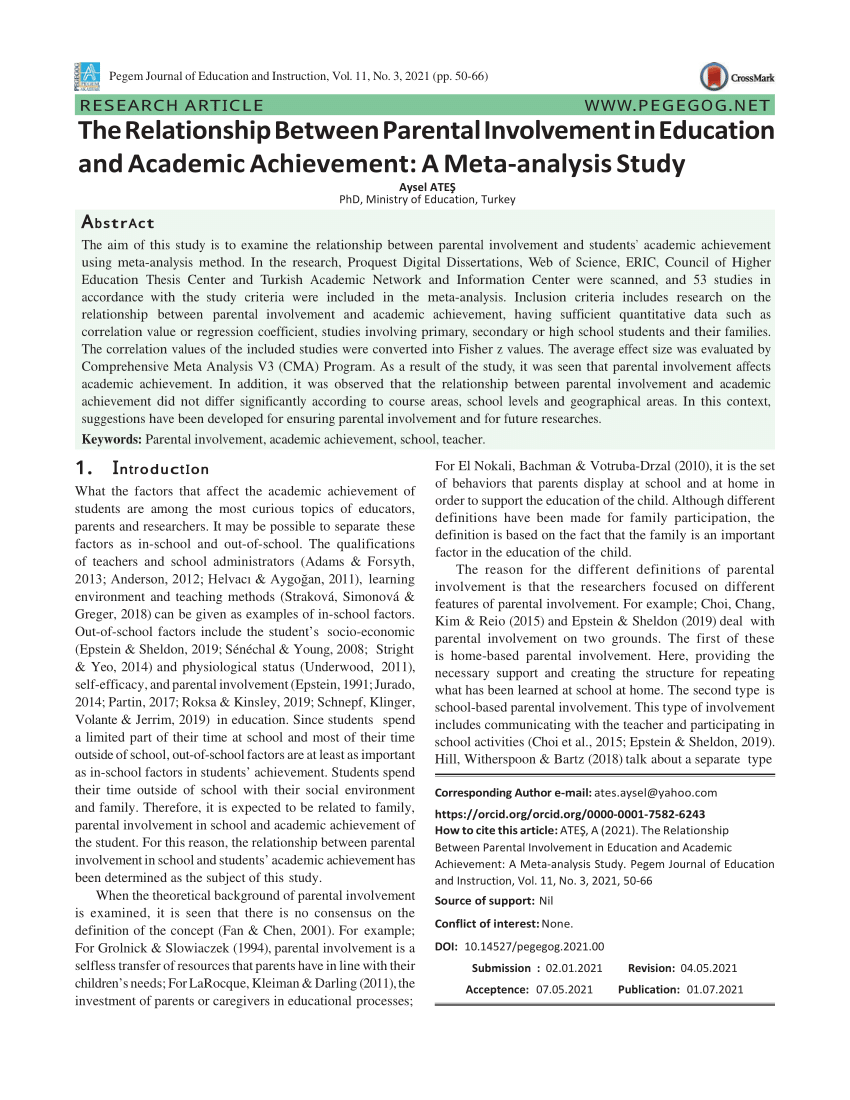
- Parental Support: Maintain open and supportive communication with parents or guardians to seek guidance and emotional support when needed.
- Romantic Relationships: Manage romantic relationships in a healthy manner to avoid excessive emotional distress that could impact academic performance.
- Positive Social Interactions: Engage in meaningful social interactions and surround yourself with positive individuals who encourage and support your academic pursuits.
Self-esteem
Healthy self-esteem is essential for academic success. Students with positive self-esteem are more likely to be motivated, set goals, and persist in the face of challenges.
- Self-Acceptance: Embrace your strengths and weaknesses, and accept yourself as you are.
- Positive Self-Talk: Challenge negative self-talk and replace it with positive affirmations to reinforce your self-belief.
- Focus on Achievements: Acknowledge and celebrate your accomplishments, big or small, to boost your sense of self-worth.
- Set Realistic Goals: Set achievable goals to avoid disappointment and maintain a positive perception of your abilities.
Conclusion
Self-care is indispensable for students striving to excel academically. By prioritizing sleep, maintaining a healthy diet, effectively managing stress, cultivating positive relationships, and developing healthy self-esteem, students can create a foundation for holistic well-being that supports their academic endeavors. Embracing self-care empowers students to flourish not only in their academic pursuits but also in all aspects of their lives.
Keyword Tags
- Self-care
- Academic Achievement
- Sleep
- Nutrition
- Stress Management