Unlocking Student Potential: The Power of Personalized Learning
Introduction:
In today’s rapidly evolving educational landscape, personalized learning emerges as a transformative approach to unlock the true potential of every student. By tailoring educational experiences to individual needs, abilities, and interests, personalized learning empowers learners to achieve academic excellence and develop into well-rounded individuals.
Benefits of Personalized Learning:
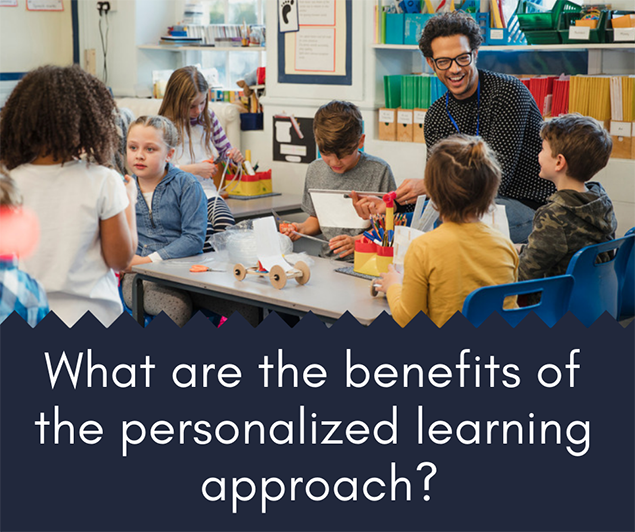
- Enhanced Student Engagement: Personalized learning actively involves students in their own learning journey, making it more meaningful and engaging.
- Improved Learning Outcomes: Research consistently shows that personalized learning approaches lead to significant improvements in student achievement.
- Development of Critical Thinking Skills: Personalized learning encourages students to think independently, analyze information, and solve problems.
- Nurturing of Creativity and Innovation: By providing students with choice and autonomy, personalized learning fosters creativity and critical thinking.
- Equity and Inclusivity: Personalized learning recognizes that all students have unique needs and learning styles, ensuring equitable access to educational opportunities.
Key Elements of Personalized Learning:
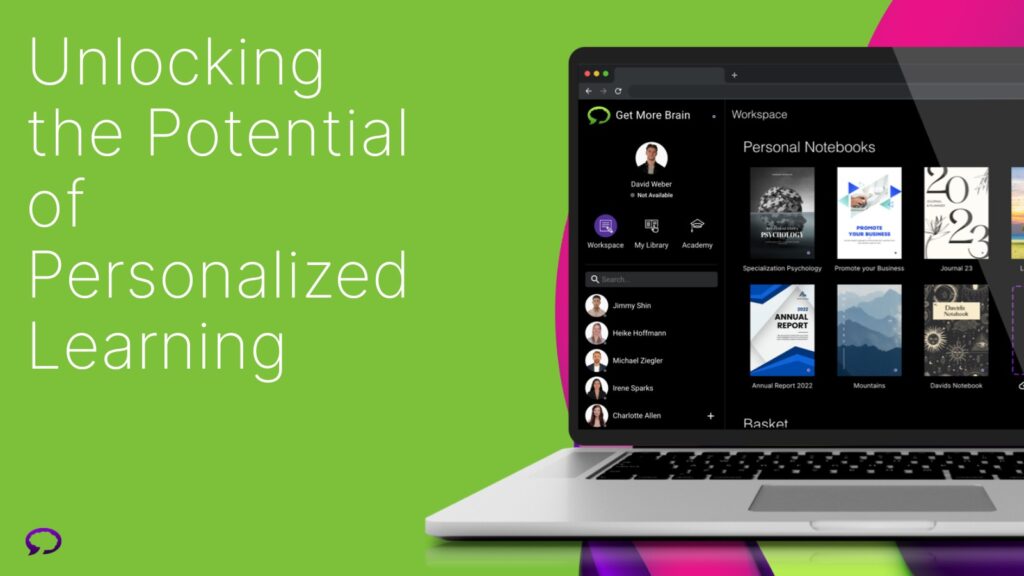
- Student-Centered Approach: The student is at the center of personalized learning, with their needs, interests, and aspirations guiding the learning process.
- Data-Driven Decisions: Educators use data from assessments, observations, and student self-reflections to inform instructional decisions.
- Flexible Learning Environments: Personalized learning environments are flexible and adaptable to accommodate different learning styles and needs.
- Differentiated Instruction: Teachers adjust instruction to meet the specific needs of individual students, providing challenges for some and support for others.
- Student Choice and Ownership: Students have a voice in their learning, choosing activities, projects, and resources that align with their interests.
Technological Tools for Personalized Learning:
Technology plays a vital role in supporting personalized learning, providing access to:
- Adaptive Learning Platforms: Software that adjusts the learning content based on student progress and performance.
- Learning Management Systems (LMS): Online platforms that provide students with resources, assignments, and feedback.
- Digital Portfolios: Students can showcase their work, track their progress, and reflect on their learning journey.
Implementation Considerations:
- Professional Development: Teachers need training and support to effectively implement personalized learning approaches.
- Collaboration with Parents and Guardians: Open communication and collaboration are essential for a successful personalized learning experience.
- Assessment and Evaluation: Personalized learning requires innovative forms of assessment that measure student growth over time.
- School Culture: A school-wide culture that values individuality, flexibility, and student voice is essential for successful implementation.
Conclusion:
Personalized learning is not just a buzzword; it is a powerful tool that can unlock the potential of every student. By empowering learners with choice, flexibility, and data-driven decisions, personalized learning creates an environment where all students can thrive, develop their unique talents, and reach their full potential. As we embrace the future of education, personalized learning will undoubtedly play a central role in shaping the learning experiences of generations to come.## Unlocking Student Potential: The Power of Personalized Learning
Executive Summary
Personalized learning empowers educators to tailor instruction to each student’s unique needs, strengths, and interests. This transformative approach enhances student engagement, improves academic achievement, and cultivates lifelong learners. By embracing personalized learning, schools can unlock the full potential of their students and prepare them for success in an ever-evolving world.
Introduction
As educators, we are constantly seeking ways to enhance our students’ learning experiences and optimize their academic outcomes. Personalized learning has emerged as a promising approach that allows us to meet the diverse needs of each student and foster their intellectual growth. This article will explore the profound impact of personalized learning on student potential, examining its key elements and benefits.
FAQs
1. What is personalized learning?
Personalized learning is an educational approach that tailors instruction to the individual needs, strengths, and interests of each student. It involves creating customized learning paths that are designed to maximize student engagement and learning outcomes.
2. What are the benefits of personalized learning?
Personalized learning empowers students to:
- Enhance their engagement and motivation
- Improve their academic achievement
- Develop critical thinking and problem-solving skills
- Cultivate self-directed learning habits
- Prepare for success in higher education and the workforce
3. How can I implement personalized learning in my classroom?
Implementing personalized learning requires a shift in mindset and pedagogical practices. Consider the following steps:
- Assess students’ individual strengths and needs
- Create flexible learning environments that accommodate diverse learning styles
- Utilize technology to support personalized instruction
- Encourage student self-reflection and goal-setting
- Collaborate with parents and stakeholders to support student progress
Key Subtopics
1. Tailoring Instruction to Individual Needs
- Adaptive assessments: Utilize assessments that adjust their difficulty level based on student responses to provide individualized feedback and learning recommendations.
- Differentiated instruction: Vary instruction based on students’ readiness levels, interests, and learning styles to cater to their unique learning needs.
- Flexible pacing: Allow students to progress through content at their own pace, ensuring they have ample time to master concepts and develop a deep understanding.
2. Empowering Students through Choice and Ownership
- Student choice: Provide students with opportunities to select topics, projects, and learning activities that align with their interests and aspirations.
- Self-directed learning: Foster student agency by encouraging them to set their own learning goals, monitor their progress, and reflect on their learning experiences.
- Student portfolios: Create digital or physical portfolios to showcase students’ work, allowing them to track their progress and celebrate their achievements.
3. Leveraging Technology for Personalized Learning
- Learning management systems: Utilize online platforms to deliver customized content, provide feedback, and facilitate student collaboration.
- Educational apps: Integrate educational apps into instruction to provide interactive and engaging learning experiences that cater to diverse learning styles.
- Adaptive learning software: Implement software that personalizes instruction based on student data, providing students with tailored learning paths that adjust to their progress.
4. Cultivating a Supportive Learning Environment
- Strong teacher-student relationships: Build strong and supportive relationships with students to foster a positive and inclusive learning environment.
- Collaborative learning: Encourage students to work together on projects and assignments to enhance their communication, problem-solving, and teamwork skills.
- Parent involvement: Engage parents as active partners in their children’s education by providing regular updates on their progress and inviting them to participate in learning activities.
5. Measuring and Evaluating Student Progress
- Formative assessments: Conduct ongoing assessments to monitor student progress, identify areas of strength and weakness, and provide timely feedback.
- Summative assessments: Utilize summative assessments to evaluate student achievement and determine their mastery of concepts and skills.
- Data analysis: Analyze student performance data to identify trends, adjust instruction, and support students who are struggling or exceeding expectations.
Conclusion
Personalized learning is not simply a buzzword; it is a transformative approach that has the power to revolutionize education. By tailoring instruction to the individual needs of each student, empowering them with choice and ownership, and leveraging technology to enhance their learning experiences, we can unlock their full potential and prepare them to thrive in a rapidly changing world. Embracing personalized learning is an investment in our students’ futures, ensuring that they are equipped with the knowledge, skills, and critical thinking abilities necessary to succeed in the 21st century and beyond.
Keyword Tags
- Personalized learning
- Student-centered learning
- Differentiated instruction
- Adaptive learning
- Educational technology