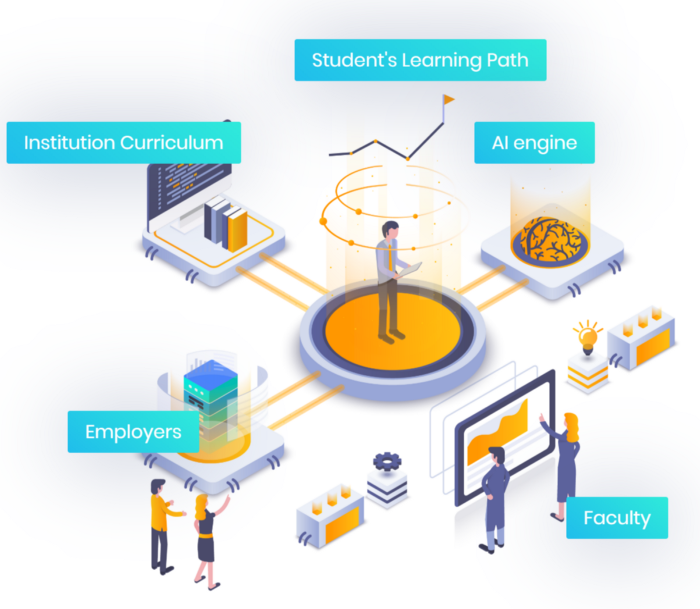
Adaptive Learning Platforms: Personalized Education Powered by AI
Adaptive learning platforms are revolutionizing education by tailoring learning experiences to each student’s individual needs. Powered by artificial intelligence (AI), these platforms empower personalized learning and enhance educational outcomes.
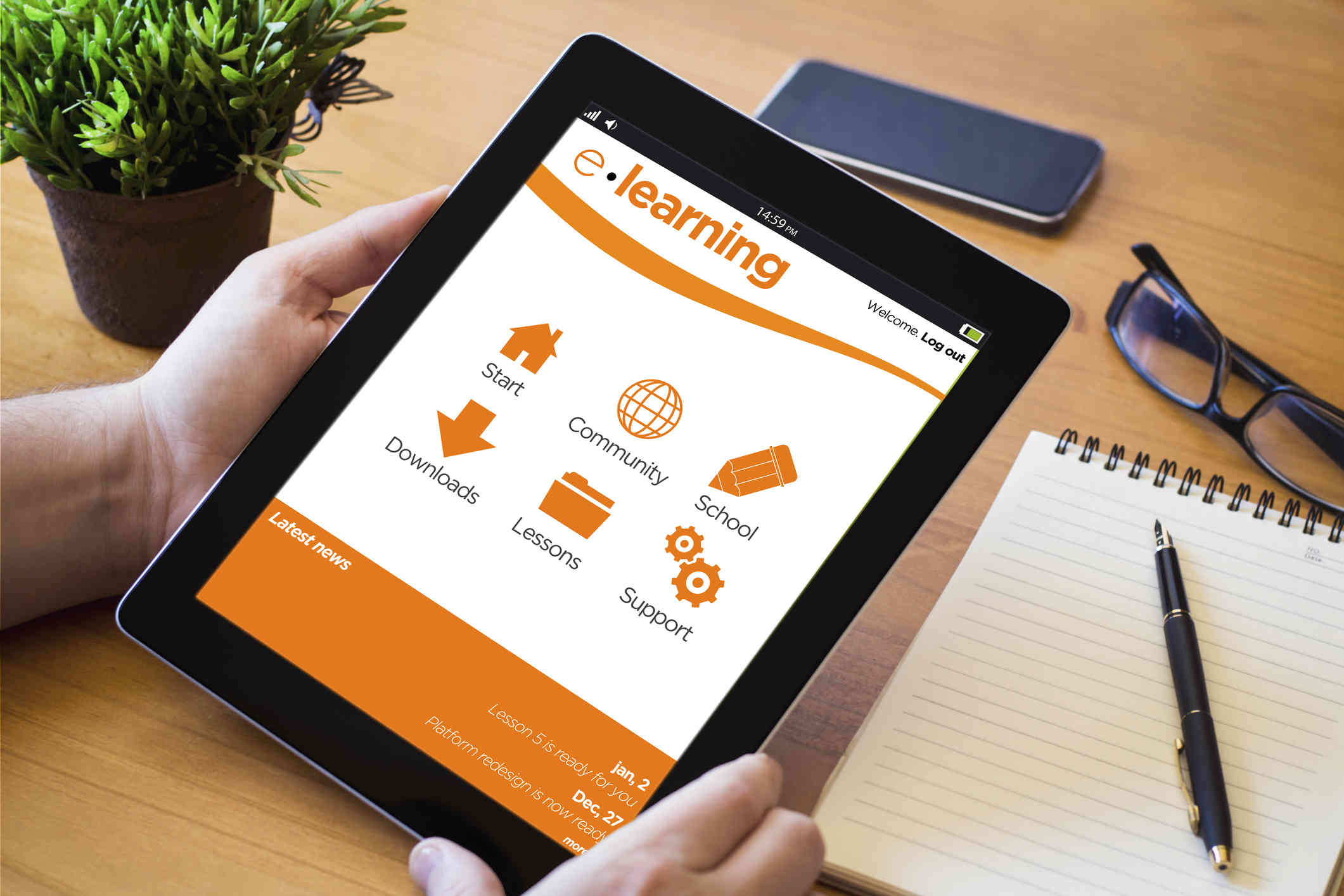
Benefits of Adaptive Learning Platforms
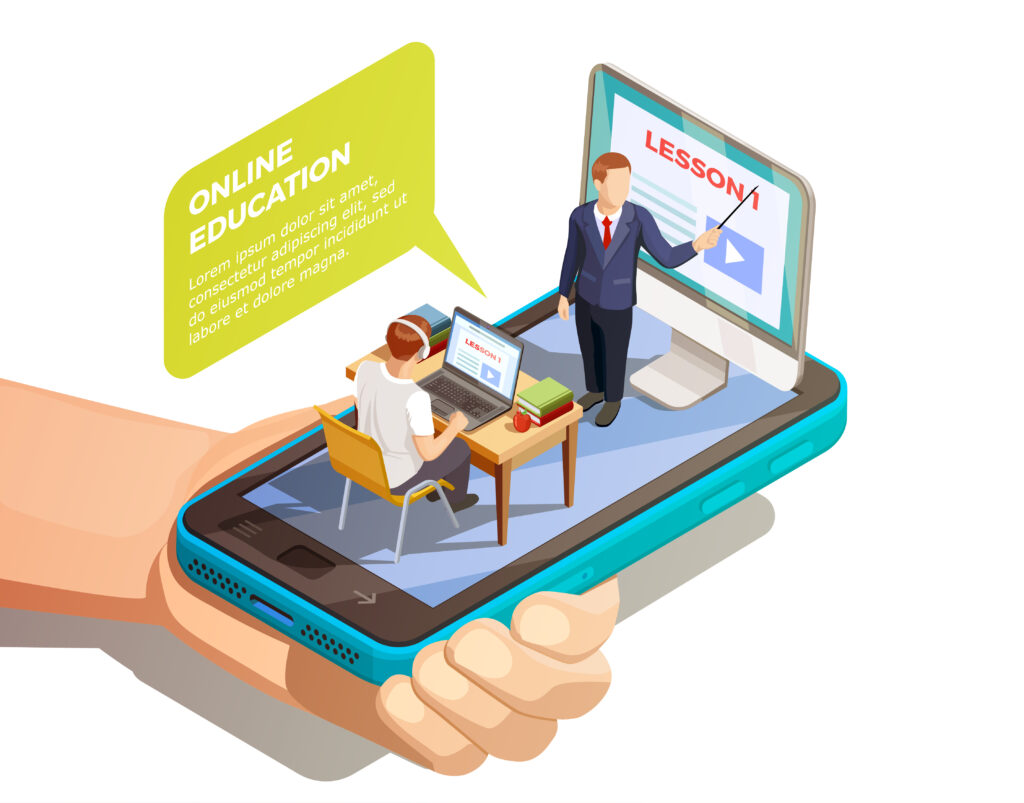
1. Personalized Learning Plans:
AI analyzes student performance data to create personalized learning paths, catering to their unique strengths and weaknesses.
2. Dynamic Content Adjustment:
Platforms automatically adjust the difficulty and pace of lessons based on student progress, providing optimal challenges and avoiding boredom or frustration.
3. Real-Time Feedback:
AI provides immediate feedback on student responses, allowing them to correct mistakes and reinforce learning in a timely manner.
4. Student Engagement and Motivation:
Personalized lessons and tailored content keep students engaged and motivated, reducing dropout rates and improving academic performance.
How AI Powers Adaptive Learning
1. Machine Learning Algorithms:
AI algorithms identify patterns in student data, such as learning styles, strengths, and areas for improvement.
2. Predictive Analytics:
Platforms use predictive analytics to forecast student outcomes and recommend interventions to support struggling learners.
3. Natural Language Processing (NLP):
NLP enables platforms to understand and respond to student questions, providing personalized assistance and feedback.
4. Gamification and Incentives:
AI leverages gamification techniques and rewards to motivate students and make learning more engaging.
Applications of Adaptive Learning Platforms
1. K-12 Education:
Adaptive platforms personalize lessons for students of different ages and abilities, fostering equitable and inclusive learning environments.
2. Higher Education:
Platforms support blended learning models by providing personalized content and assessments tailored to individual students’ majors and career paths.
3. Corporate Training:
Adaptive learning is used to upskill employees and provide personalized training programs that align with their specific job roles and career goals.
Challenges and Considerations
1. Data Privacy and Security:
Adaptive learning platforms collect extensive student data, raising concerns about privacy and data security.
2. Teacher Training and Support:
Teachers need adequate training and support to effectively integrate adaptive learning platforms into their classrooms.
3. Equity and Accessibility:
Ensuring that all students have equitable access to and benefit from adaptive learning platforms is crucial for promoting educational equity.
Conclusion
Adaptive learning platforms, powered by AI, are transforming education by providing personalized learning experiences that cater to each student’s unique needs. These platforms enhance student engagement, improve educational outcomes, and pave the way for a more equitable and effective future of learning.## Adaptive Learning Platforms: Personalized Education Powered By Ai
Executive Summary
Adaptive learning platforms utilize Artificial Intelligence (AI) to create personalized learning experiences, adapting to each student’s unique needs and pace. These platforms employ advanced algorithms to analyze student data, identify strengths and weaknesses, and deliver tailored content and activities. By harnessing the power of AI, adaptive learning empowers students with a transformative and engaging educational journey.
Introduction
In the dynamic landscape of modern education, adaptive learning platforms emerge as transformative tools that cater to the diverse learning needs of every student. These platforms harness the power of AI to personalize the learning experience, enabling students to thrive at their own pace, explore their interests, and achieve their full potential.
FAQs
Q: What are the key benefits of adaptive learning platforms?
A: Enhanced student engagement, personalized learning paths, improved academic outcomes, real-time feedback, and data-driven insights for educators.
Q: How do adaptive learning platforms utilize AI?
A: AI algorithms analyze student data, identify individual needs, tailor content, provide personalized feedback, and adjust the learning pace accordingly.
Q: Are adaptive learning platforms suitable for all students?
A: Yes, these platforms cater to diverse learning styles, abilities, and goals, supporting students from various backgrounds and educational levels.
Subtopics
1. Personalized Learning
- Tailored Content: Content delivery is adjusted to the student’s understanding, allowing them to focus on areas needing improvement.
- Dynamic Assessments: Assessments adapt to the student’s progress, providing personalized feedback and identifying areas for growth.
- Self-Paced Learning: Students can progress through the material at their own pace, ensuring comprehension and retention.
- Skill-Based Progression: The platform tracks student skill development, unlocking new content when they demonstrate mastery.
2. Data-Driven Insights
- Real-Time Analytics: Educators gain real-time insights into student performance, allowing for timely interventions and support.
- Personalized Feedback: Students receive specific feedback based on their performance, helping them identify areas for improvement.
- Progress Tracking: Detailed progress reports provide students and educators with a clear understanding of strengths and areas needing attention.
- Performance Analysis: Advanced algorithms analyze student data to identify patterns and provide predictive insights into future performance.
3. Engagement and Motivation
- Gamification: Adaptive learning platforms often incorporate game-like elements to enhance engagement and motivation.
- Personalized Learning Paths: Students can choose from a variety of learning activities tailored to their interests and learning styles.
- Interactive Content: Engaging multimedia content, simulations, and interactive exercises keep students actively involved in the learning process.
- Progress Rewards: Recognition and rewards for completing activities and achieving learning goals foster motivation and a sense of accomplishment.
4. Accessibility and Equity
- Universal Access: Adaptive learning platforms are accessible from diverse devices, ensuring equity in learning opportunities for all students.
- Support for Diverse Learners: These platforms cater to students with different learning styles, disabilities, and backgrounds.
- Flexibility: Adaptive learning platforms allow students to learn anytime, anywhere, accommodating their busy schedules.
- Reduced Learning Gaps: By identifying learning challenges early on, adaptive learning platforms help reduce achievement gaps and promote equitable outcomes.
5. Future of Education
- Personalized Learning at Scale: Adaptive learning platforms enable personalized learning experiences for large student populations, addressing the challenges of traditional one-size-fits-all approaches.
- Empowering Educators: These platforms provide educators with data and insights that empower them to make informed decisions and tailor their teaching strategies.
- Lifelong Learning: Adaptive learning platforms support lifelong learning by providing students with access to tailored content and resources beyond formal schooling.
- Transformative Learning Experiences: Adaptive learning platforms have the potential to transform the future of education by creating engaging, effective, and equitable learning experiences for all students.
Conclusion
Adaptive learning platforms, powered by the transformative capabilities of AI, are revolutionizing the educational landscape. These platforms empower students with personalized learning experiences that unlock their full potential, fostering engagement, enhancing comprehension, and promoting academic success. As adaptive learning platforms continue to evolve, they hold immense promise for shaping the future of education, creating a more equitable and effective learning environment for all.
Keyword Tags
- Adaptive Learning
- Artificial Intelligence
- Personalized Education
- Data-Driven Insights
- Engaged Learning