Time Management Techniques for Overwhelmed Students
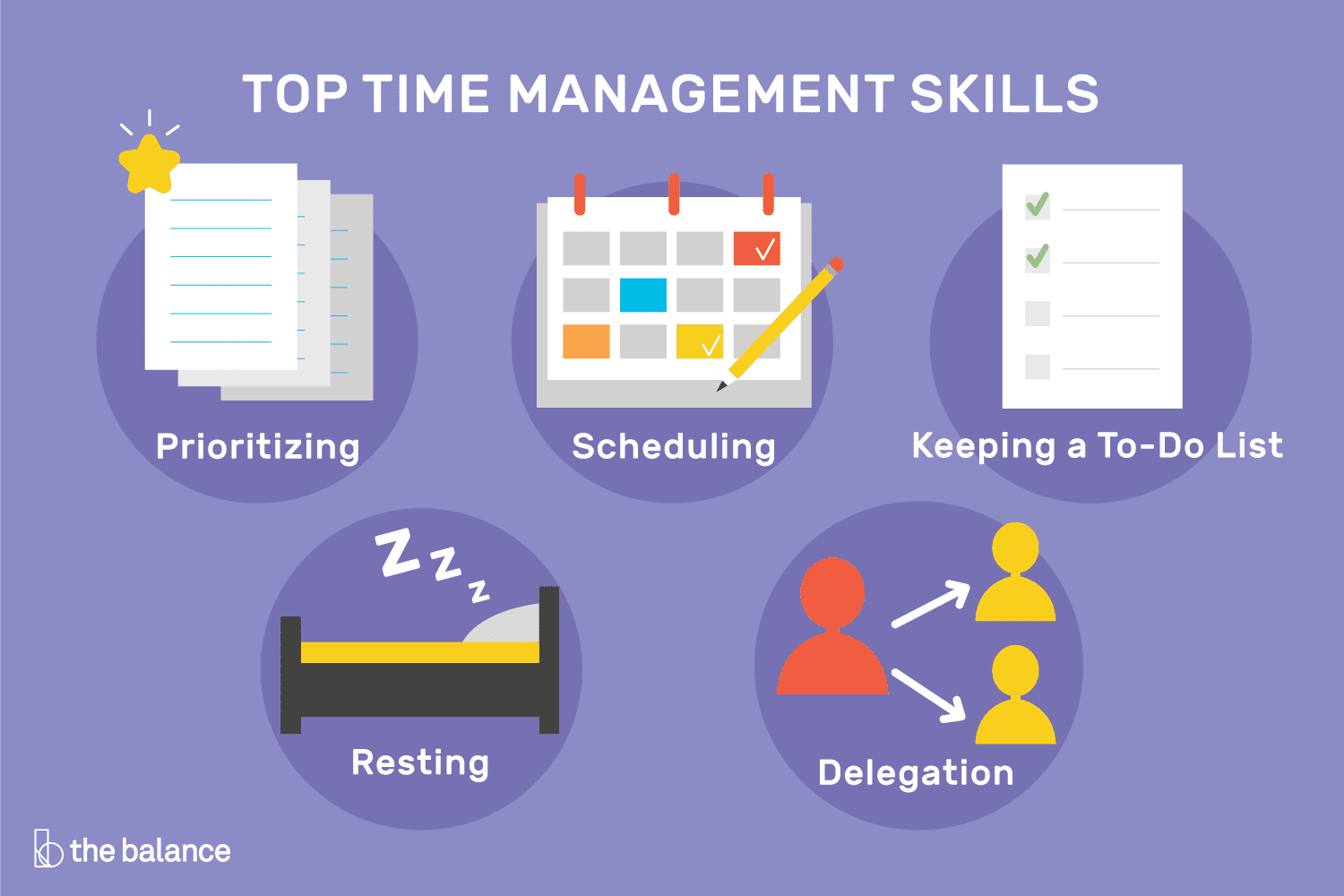
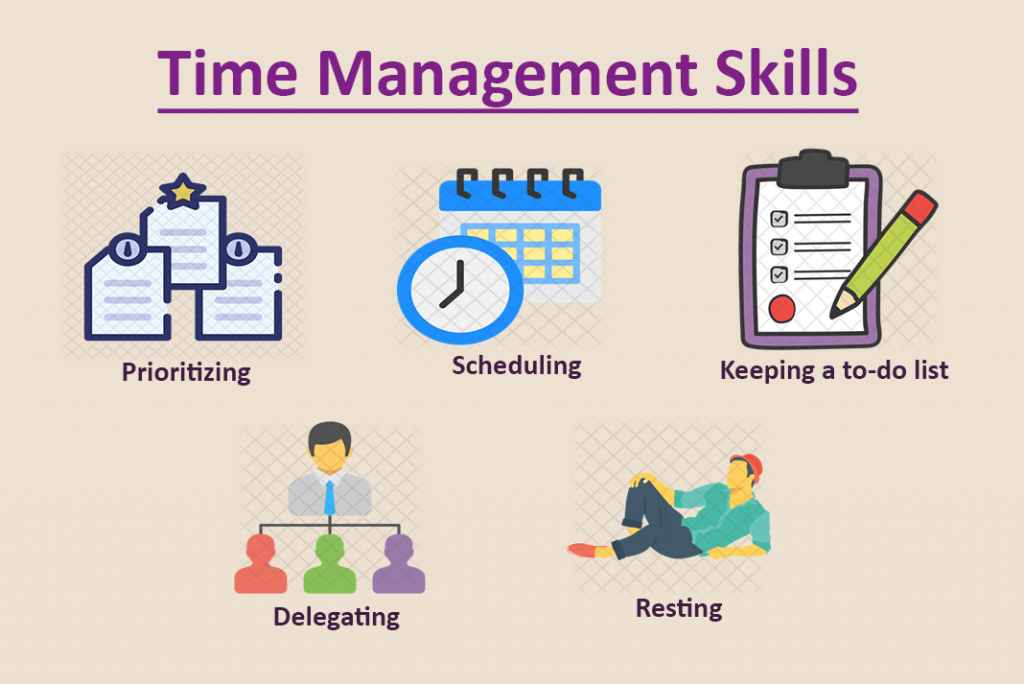
1. Prioritize Tasks:
- Use the Eisenhower Matrix to categorize tasks based on urgency and importance.
- Focus on completing the most critical tasks first to avoid procrastination and stress.
2. Plan Your Day:
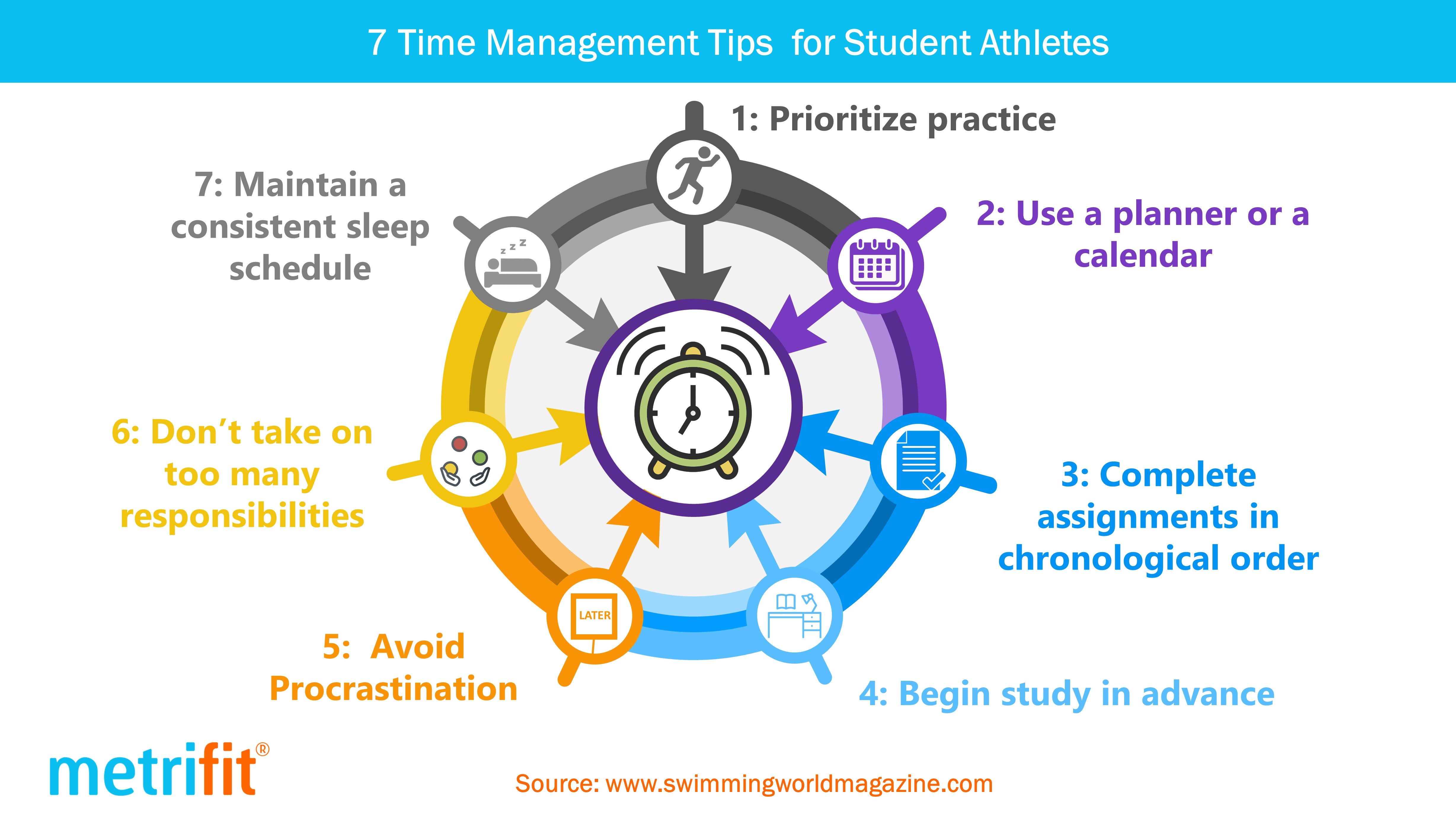
- Create a daily schedule with specific time slots allocated for tasks, study, breaks, and personal time.
- Stick to your schedule as much as possible to maintain structure and avoid distractions.
3. Break Down Tasks:
- Large tasks can be overwhelming. Break them down into smaller, manageable chunks. This makes them seem less daunting and easier to tackle.
4. Delegate and Ask for Help:
- Identify tasks that can be delegated to others, such as group projects or errands.
- Don’t hesitate to reach out for support from classmates, family, or friends when needed.
5. Use Technology to Your Advantage:
- Utilize calendar apps, reminders, and productivity tools to track appointments, deadlines, and tasks.
- Consider using noise-canceling headphones or white noise apps to minimize distractions while studying.
6. Practice Time Blocking:
- Allocate specific time slots throughout your day for different activities, such as studying, breaks, relaxation, and social time. This helps you stay on track and avoid overcommitting.
7. Take Regular Breaks:
- Step away from your work regularly to clear your head and recharge. Short breaks can improve focus and prevent burnout.
8. Reward Yourself:
- Set small, achievable goals and reward yourself for completing them. This helps you stay motivated and avoid feelings of overwhelm.
9. Learn to Say No:
- It’s important to set boundaries and decline commitments you don’t have time for. Prioritize your tasks and don’t overload yourself.
10. Evaluate and Adjust:
- Regularly review your time management techniques and make adjustments as needed. What works for one person may not work for another. Experiment and find what suits you best.
Additional Tips:
- Get enough sleep to improve focus and concentration.
- Maintain a healthy diet to sustain your energy levels.
- Practice mindfulness techniques, such as meditation or deep breathing, to reduce stress and improve mental clarity.
- Seek support from a counselor or mentor if you find yourself struggling with time management.# Time Management Techniques For Overwhelmed Students
Executive Summary
Time management is a crucial skill for students to master in order to succeed academically and maintain a healthy balance in their lives. This article provides a comprehensive guide to time management techniques that overwhelmed students can implement to improve their efficiency, reduce stress, and achieve their goals. It covers various strategies, including planning, organization, prioritization, and effective study habits.
Introduction
As a student, navigating the demands of academic life can be overwhelming. With a multitude of assignments, exams, and extracurricular activities, it’s easy to feel like time is slipping away. Effective time management is essential to combat this sense of overwhelm, allowing students to make the most of their time, achieve their goals, and preserve their well-being.
FAQs
1. Why is time management important for students?
Effective time management enables students to:
- Meet deadlines and avoid procrastination
- Reduce stress and anxiety
- Achieve higher academic performance
- Maintain a healthy balance between studies and personal life
2. What are some common time management challenges faced by students?
Common challenges include:
- Overestimating available time
- Lack of planning and organization
- Procrastination and poor study habits
- Distractions and interruptions
- Overcommitment to activities
3. How can I improve my time management skills?
This article provides a range of time management techniques that students can implement, including planning, organization, prioritization, and effective study habits.
Time Management Techniques
Planning
Effective planning is the foundation of successful time management.
- Create a weekly schedule: Allocate time for classes, assignments, study sessions, breaks, and personal activities.
- Break down large tasks: Divide overwhelming assignments into smaller, manageable chunks.
- Use a planner or calendar: Keep track of appointments, deadlines, and tasks.
- Set realistic goals: Avoid setting yourself up for failure by setting achievable goals.
- Prioritize tasks: Identify the most important tasks and focus on them first.
Organization
An organized workspace and study environment promote efficiency.
- Declutter your surroundings: Remove distractions and create a designated study area.
- Organize your materials: Keep books, notes, and supplies within easy reach.
- Utilize technology: Use apps or software to manage assignments, notes, and schedules.
- Establish routines: Develop regular habits for studying, attending classes, and completing assignments.
- Take breaks: Regular breaks prevent burnout and improve focus.
Prioritization
Identifying and focusing on the most important tasks maximizes productivity.
- Use the Eisenhower Matrix: Categorize tasks based on urgency and importance.
- Apply the 80/20 rule: Focus on the tasks that will yield the greatest results.
- Delegate or outsource: If possible, delegate or outsource tasks to free up your time.
- Say no to non-essential activities: Learn to decline commitments that conflict with your priorities.
- Avoid distractions: Minimize interruptions during study sessions.
Effective Study Habits
Optimizing study time improves learning outcomes.
- Active learning: Engage with material through note-taking, summarizing, and discussions.
- Spaced repetition: Review material at increasing intervals to enhance memory.
- Study in blocks: Break down study sessions into manageable chunks to improve concentration.
- Use effective note-taking techniques: Develop a system that helps you retain information.
- Seek feedback: Regularly ask for feedback from instructors or peers to identify areas for improvement.
Other Techniques
In addition to the core techniques, consider these additional strategies.
- Use a timer: Track time spent on tasks to identify areas for improvement.
- Reward yourself: Motivate yourself by rewarding accomplishments.
- Take care of your physical and mental health: Prioritize sleep, exercise, and stress management.
- Seek support: Don’t hesitate to ask for help from friends, family, or academic support services.
- Adjust and refine: Regularly evaluate your time management strategies and make adjustments as needed.
Conclusion
Effective time management is a skill that empowers students to thrive academically and personally. By implementing the techniques outlined in this article, students can overcome the challenges of overwhelming demands, improve their efficiency, and achieve a sense of balance in their lives. Remember, time management is an ongoing journey that requires consistent effort and refinement. Embrace these strategies and become an organized, productive, and successful student.
Keyword Tags
- Time Management
- Time Management Techniques
- Students
- Productivity
- Study Habits