The Power of Visualization for Learning and Retaining Information

Visualization is a powerful technique that can enhance learning and retention abilities. By using mental imagery to represent information, we engage multiple cognitive processes and strengthen our neural pathways for long-term memory.
Mechanisms of Visualization
When we visualize, our brains activate neural circuits similar to those used in real-world experiences. This means that the information encoded visually mimics the sensory processing that would occur if we were physically interacting with it. The brain then consolidates these visual representations into semantic memory, making them accessible for recall.
Benefits for Learning
Enhanced Understanding: By creating visual representations of complex concepts or processes, we gain a deeper and more intuitive understanding of them. Visual aids can break down information into smaller chunks, making it easier to digest.
Improved Memory: Visualizations form vivid and memorable connections in the brain. When we recall information, our brains automatically search for these visual cues, strengthening the retrieval process.
Increased Engagement: Visualization actively involves multiple sensory modalities (e.g., sight, sound, kinesthetics), which keeps learners engaged and motivated.
Techniques for Visualization
Concept Mapping: Create diagrams or mind maps to represent relationships between ideas and concepts.
Graphic Organizers: Use charts, tables, or timelines to organize and visually display information.
Mnemonic Devices: Associate visual images or symbols with difficult-to-remember information (e.g., using rhymes or acronyms).
Guided Imagery: Close your eyes and imagine a scene or experience that encapsulates the information you want to learn. This technique immerses you in the subject matter.
Tips for Effective Visualization
- Be Specific: Create clear and detailed visual representations. Vague or ambiguous images will not be as effective.
- Engage Multiple Senses: Incorporate sensory details (e.g., color, shape, movement) to make the visualization more engaging.
- Repeat and Rehearse: Regularly visualize the information to strengthen neural connections and improve retention.
- Make it Personal: Relate the visualization to your own experiences or interests to make it more meaningful.
- Collaborate: Engage with others to share visualizations and discuss concepts, promoting deeper understanding.
Conclusion
Visualization is a powerful tool for enhancing learning and retaining information. By engaging our brains’ visual processing abilities, we create vivid and memorable representations that facilitate understanding, memory consolidation, and long-term recall. Incorporating visualization techniques into your learning routine can significantly improve your academic and professional endeavors.# The Power Of Visualization For Learning And Retaining Information
Executive Summary
Visualization is a powerful technique that can be used to enhance learning and retention of information. It involves creating mental images of the information you wish to learn, as this can help you to engage multiple senses and create more meaningful connections in your brain. This article will provide a comprehensive overview of visualization, its benefits, and how to use it effectively in educational and professional settings.
Introduction
In this modern age of information overload, finding effective ways to learn and retain information is a crucial challenge. Traditional methods of rote memorization and repetitive drills are increasingly being surpassed by more engaging and interactive techniques that harness the power of our brains’ inherent ability to visualize and make connections. Visualization is one such technique that has been shown to have profound effects on our ability to acquire and retain knowledge.
FAQs
What are the benefits of visualization for learning?
- Enhanced memory and retention
- Improved understanding and comprehension
- increased motivation and engagement
- Reduced stress and anxiety
How can I use visualization in my studies?
- Create mental images of the concepts you are learning
- Associate the images with personal experiences or meaningful contexts
- Use visual aids such as diagrams, charts, or videos to support visualization
Are there any limitations to the effectiveness of visualization?
- Visualization is not a substitute for studying and understanding the material
- it can be more challenging to visualize abstract concepts
- it may not be suitable for all learning styles
Top 5 Subtopics in Visualization for Learning
Spatial visualization
Spatial visualization is the ability to mentally represent and manipulate objects in three-dimensional space. It is an essential skill for many fields, such as engineering, architecture, and design.
- Mental rotation: The ability to rotate objects mentally.
- Spatial reasoning: The ability to understand and solve problems involving spatial relationships.
- Perspective taking: The ability to see the world from another person’s perspective.
- Spatial memory: The ability to remember and recall spatial information.
Visual memory
Visual memory is the ability to remember and recall visual information. It is an important skill for many tasks, such as recognizing faces, remembering directions, and reading.
- Iconic memory: The ability to hold a visual image in memory for a brief period of time.
- Short-term visual memory: The ability to hold a visual image in memory for a longer period of time.
- Long-term visual memory: The ability to store and retrieve visual information over a long period of time.
- Visual working memory: The ability to hold and manipulate visual information in memory while performing other tasks.
Imagery
Imagery is the ability to create mental images of objects, events, and people. It is an important skill for many tasks, such as remembering information, solving problems, and making decisions.
- Visual imagery: The ability to create mental images of objects and scenes.
- Auditory imagery: The ability to create mental images of sounds.
- Kinesthetic imagery: The ability to create mental images of movements.
- Olfactory imagery: The ability to create mental images of smells.
- Gustatory imagery: The ability to create mental images of tastes.
Mental maps
Mental maps are visual representations of spatial information. They can be used to remember directions, plan routes, and understand the layout of a place.
- Spatial memory: The ability to remember and recall spatial information.
- Wayfinding: The ability to navigate through an environment.
- Environmental cognition: The ability to understand the relationship between oneself and the environment.
Diagrams and charts
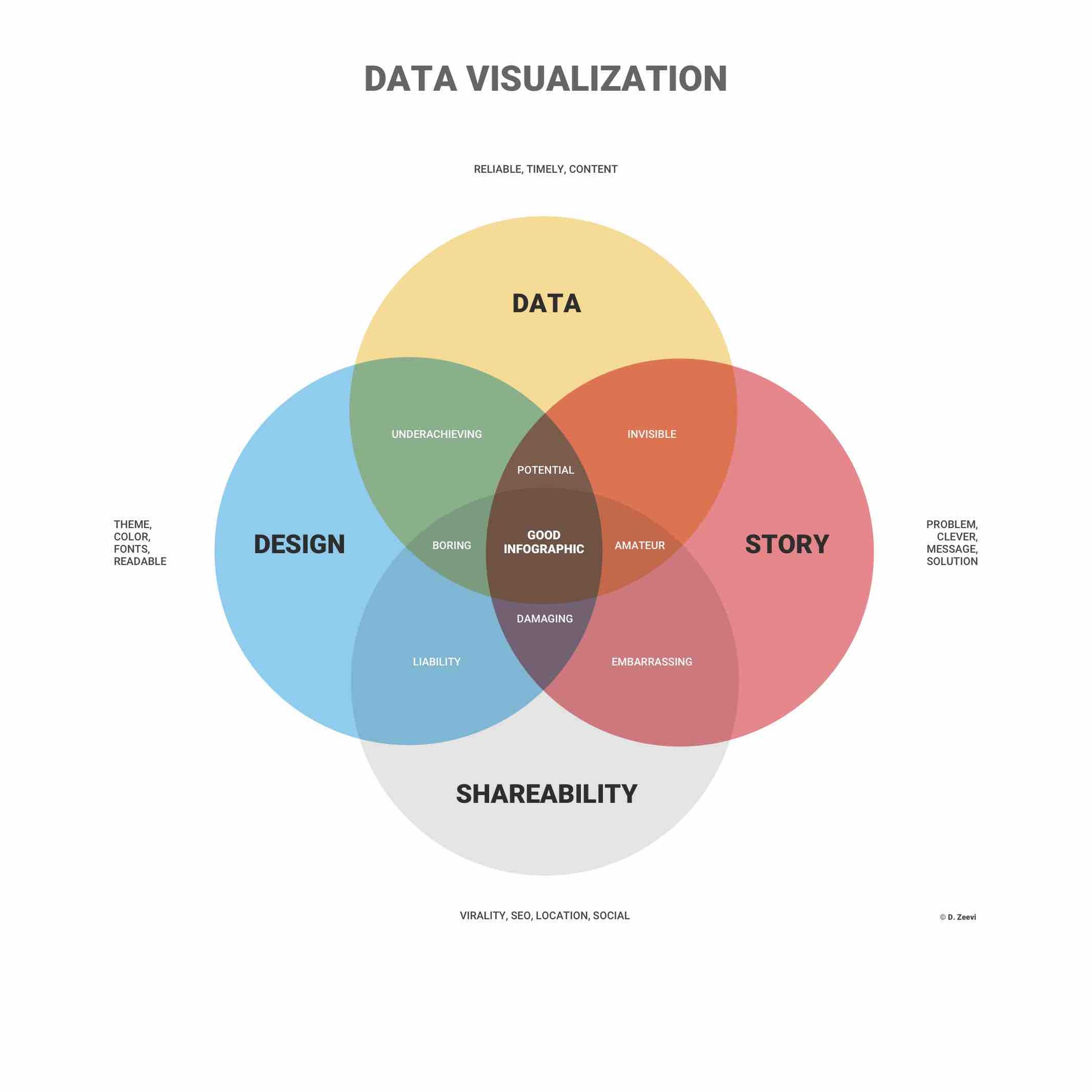
Diagrams and charts are visual representations of data. They can be used to present information in a clear and concise way, and they can help to improve understanding and retention.
- Visual Literacy: The ability to understand and interpret visual information.
- Data Visualization: The ability to create visual representations of data.
- Information Design: The ability to design visual representations of information that are clear and effective.
Conclusion
Visualization is a powerful tool that can be used to enhance learning and retention of information. It is a versatile technique that can be applied to a wide range of subjects and learning styles. By harnessing the power of visualization, we can unlock our full potential for learning and achieve greater academic and professional success.
Relevant Keyword Tags
- Visualization
- Learning
- Memory
- Retention
- Education