10 Simple Stress Management Techniques for Students
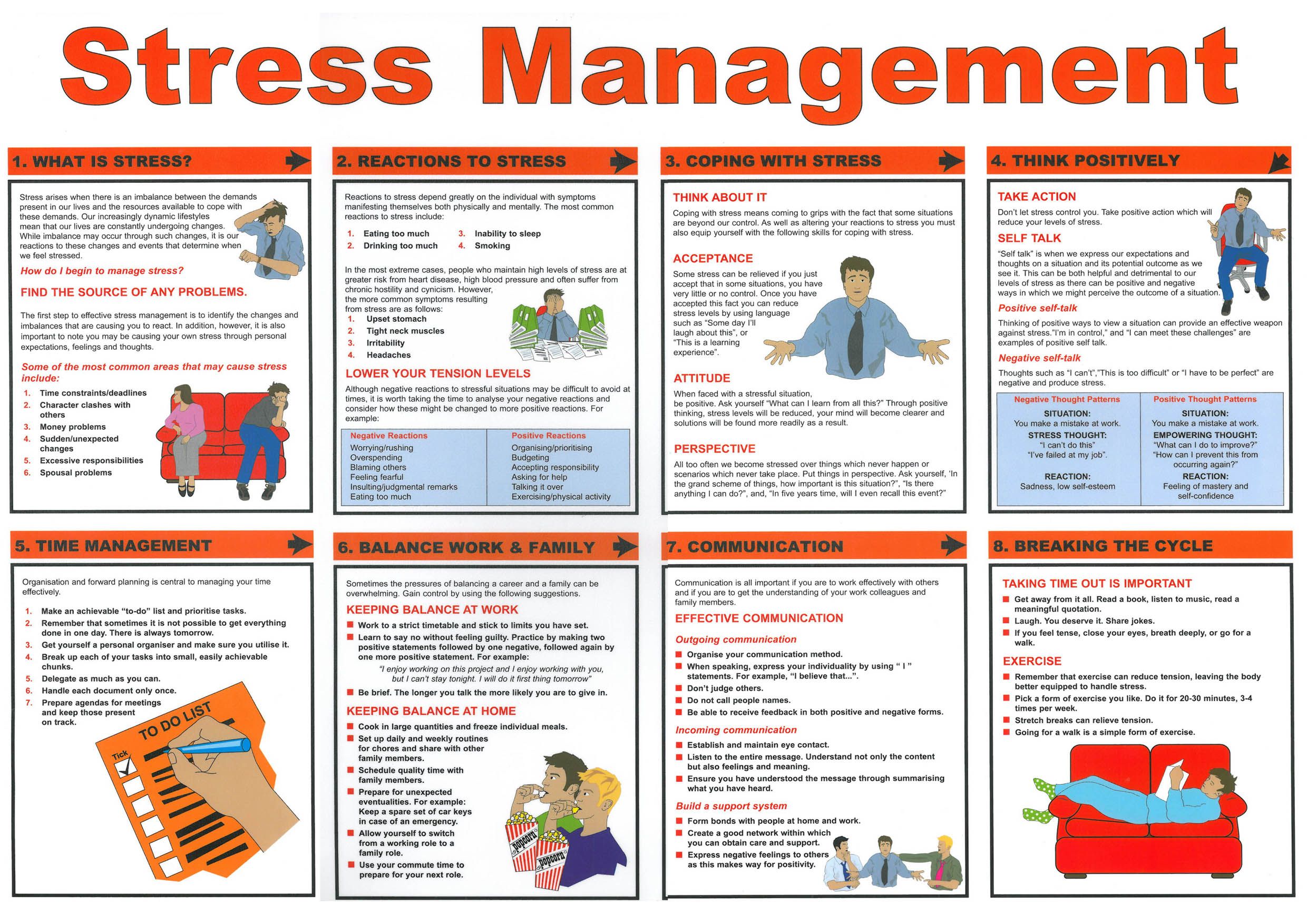
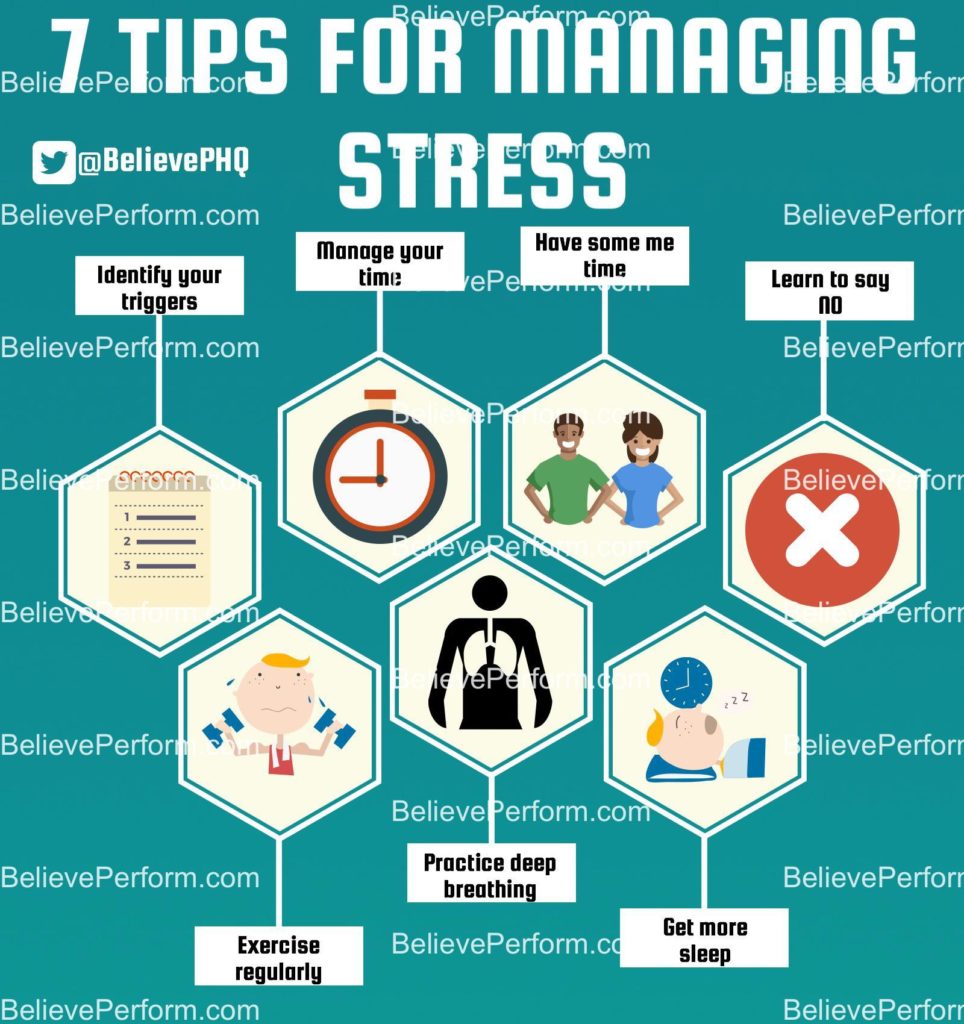
Deep Breathing Exercises: Take deep, slow breaths from your diaphragm. This helps reduce tension and calm the mind.

Meditation: Dedicate a few minutes each day to mindfulness meditation. Focus on your breath or body sensations to quiet your mind.

Progressive Muscle Relaxation: Tense and release different muscle groups one at a time, starting with your toes and working up to your head.
Exercise: Engage in regular physical activity to release endorphins, which have mood-boosting and pain-relieving effects.
Sleep Hygiene: Establish a consistent sleep schedule, create a relaxing bedtime routine, and aim for 7-9 hours of sleep each night.
Time Management: Prioritize tasks and allocate time effectively to avoid overwhelming yourself. Use a planner or to-do list to stay organized.
Goal Setting: Set small, achievable goals to break down large tasks and reduce stress levels. Celebrate your accomplishments to boost motivation.
Connect with Others: Talk to friends, family, or a trusted support person about your stressors. Sharing your feelings can provide perspective and emotional relief.
Engage in Hobbies or Activities: Dedicate time to activities you enjoy, such as reading, drawing, or playing music. These activities can provide a mental break and reduce stress.
Seek Professional Help: If stress becomes overwhelming or interferes with your daily life, consider seeking professional help from a counselor or therapist.## 10 Simple Stress Management Techniques For Students
Executive Summary
This article explores the challenges of student life and provides research-backed, practical stress management techniques to empower students with coping mechanisms for academic and personal stress.
Introduction
The demands of student life can take a significant toll on mental well-being. Balancing academic responsibilities, personal obligations, and financial concerns can create an overwhelming sense of stress. This article aims to alleviate this burden by presenting easy-to-implement stress management techniques specifically designed for students.
FAQs
Q: Why is stress management important for students?
A: Stress can impair cognitive function, sleep quality, and overall health, ultimately hindering academic performance and well-being.
Q: How can I tell if I’m experiencing too much stress?
A: Symptoms include anxiety, irritability, fatigue, difficulty concentrating, and physical ailments like headaches and stomachaches.
Q: Can I manage stress on my own?
A: While it’s always advisable to seek professional help if needed, many effective stress management techniques can be practiced independently.
Exercise
Subtopic: Physical Activity
- Engage in regular exercise: Even short bursts of physical activity release endorphins that have mood-boosting effects.
- Find an enjoyable activity: Enjoyable activities reduce perceived effort, making exercise less stressful.
- Exercise with friends: Social support and a sense of community can enhance motivation and reduce stress levels.
Mindfulness
Subtopic: Meditation and Mindfulness Techniques
- Practice mindfulness meditation: Focus on present-moment awareness to alleviate racing thoughts and reduce anxiety.
- Try body scan meditations: These techniques help develop awareness of physical sensations, reducing stress and promoting relaxation.
- Engage in deep breathing exercises: Controlled breathing techniques activate the parasympathetic nervous system, inducing a calming effect.
Time Management
Subtopic: Organization and Prioritization
- Create a structured schedule: A clear schedule provides organization and reduces the feeling of overwhelm.
- Prioritize tasks: Identify the most important tasks and allocate your time accordingly.
- Take breaks: Regular breaks prevent burnout and improve focus.
Social Support
Subtopic: Connecting with Others
- Communicate with friends and family: Share your feelings and experiences to process stress healthily.
- Join support groups or clubs: Connect with others who may understand your struggles.
- Seek professional help: Therapists or counselors can provide personalized support and coping mechanisms.
Sleep Hygiene
Subtopic: Restorative Sleep
- Establish a regular sleep schedule: Consistent sleep-wake cycles regulate the body’s natural sleep-wake rhythm.
- Create a relaxing bedtime routine: Wind down before bed with calming activities like reading or taking a warm bath.
- Optimize your sleep environment: Ensure your bedroom is dark, quiet, and cool to promote restful sleep.
Conclusion
Managing stress as a student can be challenging, but it’s crucial for overall well-being and academic success. By implementing these simple techniques, students can effectively cope with stress, improve focus, and enhance their overall health and well-being. Remember, you are not alone, and seeking professional help when needed is a sign of strength, not weakness.
Keyword Tags
- Student Stress Management
- Mindfulness for Students
- Time Management for Students
- Social Support for Students
- Sleep Hygiene for Students