The Importance of Breaks: Enhancing Productivity and Managing Study Stress
In the relentless pursuit of academic success, it is easy to overlook the profound importance of breaks. However, scientific evidence has consistently demonstrated that incorporating regular breaks into study sessions can significantly enhance productivity and mitigate stress levels.

Benefits of Breaks for Enhanced Productivity:

- Improved focus and attention: Short breaks allow the brain to rest and reset, improving its ability to concentrate on tasks.
- Increased motivation: Breaks provide a psychological break from monotonous tasks, helping to reduce boredom and maintain motivation levels.
- Enhanced memory consolidation: Studies have shown that breaks facilitate the encoding and retrieval of information, leading to better memory retention.
- Reduced mental fatigue: Continuous studying can lead to mental exhaustion, which impairs cognitive function. Breaks provide a respite from this fatigue, allowing the mind to re-energize.
Benefits of Breaks for Stress Management:
- Reduced anxiety and stress: Breaks help to alleviate the physical and psychological symptoms of stress, such as increased heart rate, muscle tension, and cognitive impairment.
- Improved mood: Breaks provide an opportunity to engage in activities that bring joy and relaxation, such as social interaction or physical exercise.
- Enhanced self-regulation: Breaks allow students to practice self-control by stepping away from their studies for a short period of time, promoting emotional regulation and preventing burnout.
Optimal Break Length and Frequency:
The optimal length and frequency of breaks vary depending on individual preferences and the intensity of the study session. However, research suggests that breaks of 5-15 minutes every 45-60 minutes of study can provide significant benefits.
Tips for Effective Breaks:
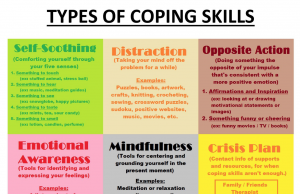
- Step away from your study area: Physically removing yourself from your work environment helps to clear your mind and reduce stress.
- Engage in activities you enjoy: Use breaks to do something that brings you pleasure, such as socializing, listening to music, or exercising.
- Practice mindfulness: Take a few minutes during your break to focus on your breath or engage in a mindful meditation to promote relaxation and reduce stress.
- Avoid distractions: While it is important to disconnect from your studies, avoid activities that are highly stimulating or distracting, as this can interfere with your ability to return to work.
Conclusion:
Incorporating regular breaks into your study schedule is essential for maintaining productivity, managing stress, and ultimately achieving academic success. By following these recommendations, you can optimize your learning experience, preserve your mental health, and maximize your potential. Remember, breaks are not a luxury but an essential investment in your academic and personal well-being.## [The Importance Of Breaks: Enhancing Productivity And Managing Study Stress]
Executive Summary
Taking breaks while working or studying is crucial for maintaining productivity, reducing stress, and improving cognitive function. This comprehensive guide explores the benefits of breaks, effective break techniques, and strategies for implementing breaks into your schedule. By understanding the importance of breaks, you can optimize your workflow and achieve greater success.
Introduction
In today’s fast-paced world, it’s tempting to push through tasks without taking breaks. However, research has consistently shown that breaks are essential for both productivity and well-being. They allow our brains to rest and recharge, which leads to increased focus, creativity, and energy.
FAQs
Q: How often should I take breaks?
A: The ideal break frequency depends on the task and individual preferences. Generally, it’s recommended to take a short break (5-15 minutes) every 50-90 minutes of work or study.
Q: How long should my breaks be?
A: The length of your breaks also varies based on the task. For shorter work periods, a 5-10 minute break is sufficient. For longer tasks, a 15-20 minute break is recommended.
Q: What should I do during my breaks?
A: The best activities for breaks include those that relax and refresh your mind. Some popular options include:
- Stepping away from your desk and moving around
- Listening to music
- Reading a book
- Chatting with a colleague or friend
Top 5 Benefits of Breaks
1. Increased Productivity
- Reduces mental fatigue: Breaks alleviate the strain on your cognitive resources, improving your ability to sustain focus and concentration.
- Enhances creativity: By temporarily disconnecting from your task, breaks allow your subconscious mind to process information and generate new ideas.
- Boosts energy levels: A short break can provide a quick energy boost, reducing the urge to procrastinate or give up.
2. Reduced Stress
- Lowers cortisol levels: Stress-inducing hormones like cortisol are reduced during breaks, promoting a sense of calm and relaxation.
- Improves mood: Breaks provide an opportunity to clear your mind and refocus, which can uplift your mood and make you more engaged.
- Prevents burnout: Regularly taking breaks helps you avoid the physical and emotional exhaustion associated with burnout.
3. Improved Memory and Learning
- Facilitates consolidation: Breaks allow your brain to consolidate information, improving your ability to remember and recall what you’ve learned.
- Enhances neural connections: Studies have shown that breaks promote the formation of new neural connections, strengthening your memory capacity.
- Increases the effectiveness of studying: Taking breaks while studying enhances your ability to retain information and improves your overall performance.
4. Enhanced Physical Health
- Reduces muscle tension: Breaks provide an opportunity to stretch, move, and relieve tension in your body, reducing the risk of physical pain and discomfort.
- Improves circulation: Moving around during breaks promotes blood flow, which can increase your energy levels and improve your overall well-being.
- Prevents eye strain: Taking breaks from screen time gives your eyes a chance to rest and recover, reducing eye strain and headaches.
5. Increased Social Interaction
- Promotes social connection: Breaks provide an opportunity to interact with colleagues or friends, fostering a sense of community and support.
- Enhances collaboration: Breaks can facilitate informal discussions and idea-sharing, leading to improved teamwork and innovation.
- Builds relationships: Taking time to connect with others during breaks can strengthen relationships and create a more positive work environment.
Conclusion
Breaks are not a luxury but a necessity for maintaining productivity, reducing stress, and improving your overall well-being. By implementing regular breaks into your schedule, you can enhance your cognitive function, manage stress levels, and achieve greater success. Remember, the key is to take frequent, short breaks that relax and refresh your mind. By embracing the importance of breaks, you can optimize your performance and live a more balanced and fulfilling life.
Relevant Keyword Tags:
- Importance of Breaks
- Productivity
- Study Stress
- Break Techniques
- Work-Life Balance