1. Embrace Challenges as Opportunities:
Instead of viewing setbacks as failures, recognize them as learning experiences. Accept that mistakes are inevitable and use them as stepping stones for growth.
2. Reframe Negative Thoughts:
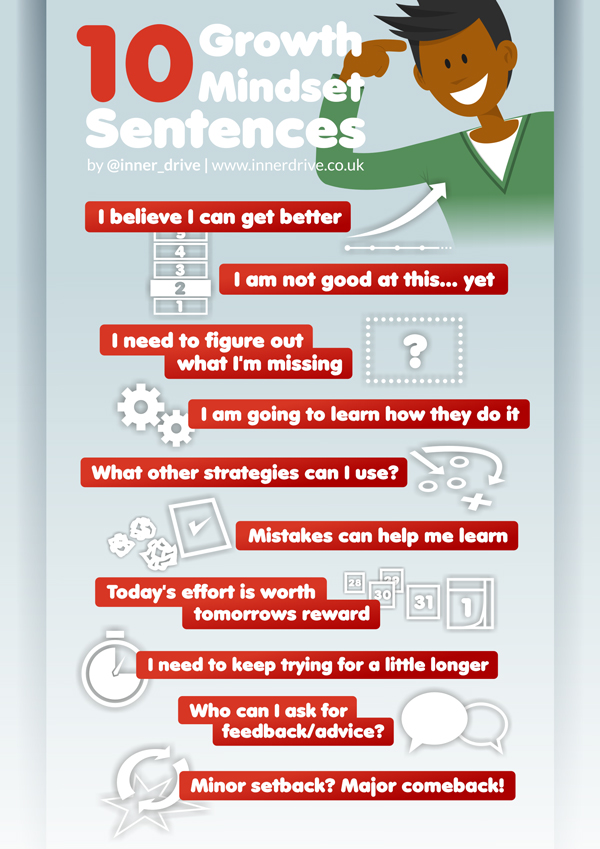
Challenge self-limiting beliefs and reframe them into positive affirmations. Instead of saying “I’m not good at math,” try “I’m improving my math skills with each effort.”
3. Seek Feedback and Apply it:
Actively seek constructive feedback from teachers, mentors, and peers. Use it to identify areas for improvement and develop strategies to enhance performance.
4. Celebrate Effort and Progress:
Focus on the effort put in rather than solely on grades or outcomes. Acknowledge and celebrate small steps of progress, even if they don’t lead to immediate success.
5. Connect Learning to Real-World Applications:
Make learning meaningful by connecting it to real-world situations. Show students how the knowledge and skills they acquire can be applied to their daily lives or future careers.## 5 Ways To Develop A Growth Mindset And Overcome Academic Obstacles
Executive Summary
Developing a growth mindset is essential for academic success. By believing that your intelligence can be developed through effort and study, you can improve your grades and reach your full potential. This article provides five strategies for developing a growth mindset and overcoming academic obstacles.

Introduction
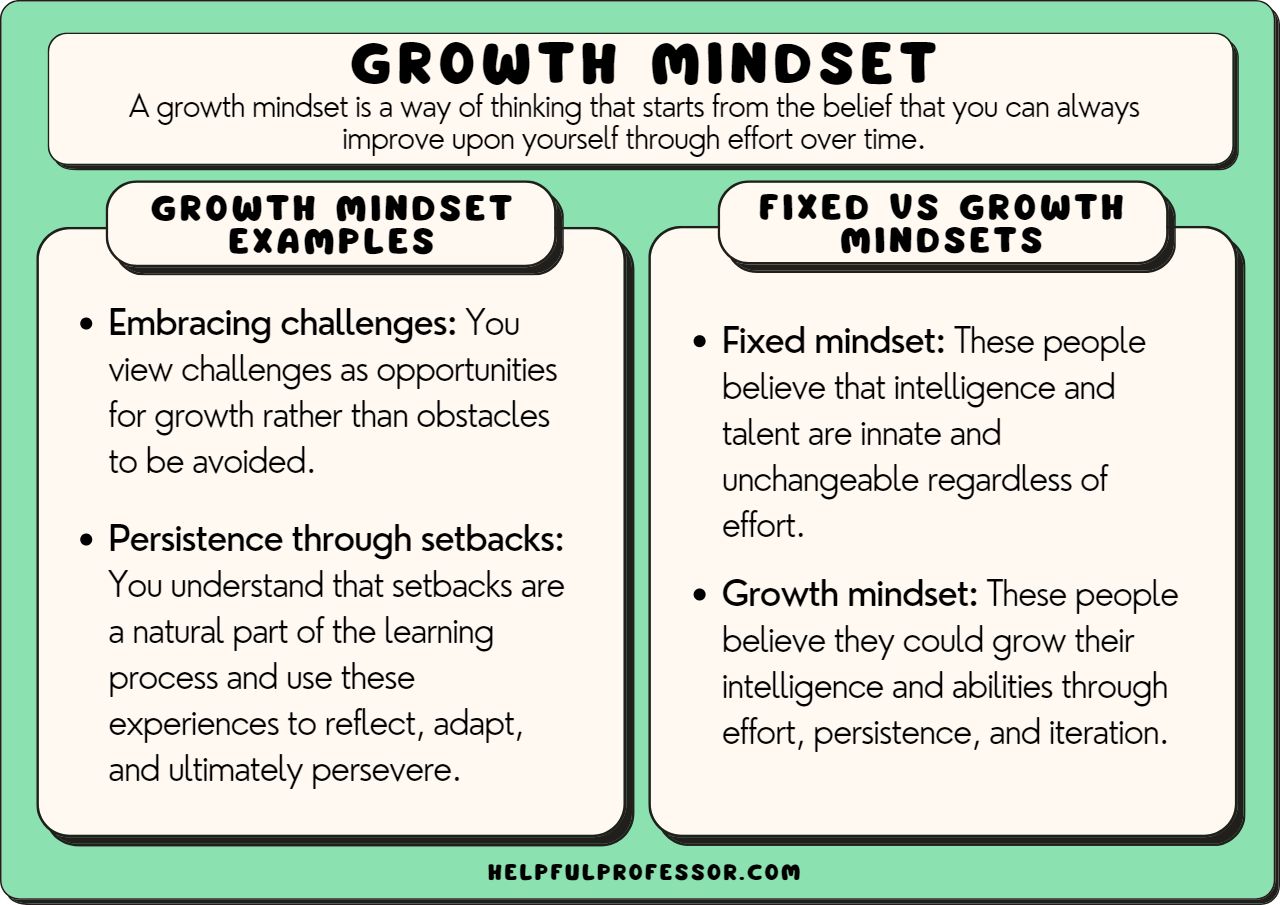
In school, we are often taught that intelligence is fixed. We are told that some people are just “smart” and others are not. However, this is not true. Intelligence is not something that you are born with. It is a skill that can be developed through effort and practice.
A growth mindset is the belief that your intelligence can be developed. People with a growth mindset believe that they can improve their abilities through hard work and dedication. They are not afraid of challenges, and they see mistakes as opportunities to learn.
FAQs
1. What is the difference between a fixed mindset and a growth mindset?
A fixed mindset is the belief that your intelligence is fixed. You believe that you are either smart or you are not, and there is nothing you can do to change it. A growth mindset is the belief that your intelligence can be developed. You believe that you can improve your abilities through hard work and dedication.
2. How can I develop a growth mindset?
There are many things you can do to develop a growth mindset. Some of the most effective strategies include:
- Challenge yourself. Don’t be afraid to take on challenges. The more you challenge yourself, the more you will learn and grow.
- Embrace your mistakes. Mistakes are not something to be ashamed of. They are opportunities to learn and improve.
- Persevere. Don’t give up easily. When you face challenges, persevere and keep trying. The more you persevere, the more successful you will be.
3. What are the benefits of having a growth mindset?
There are many benefits to having a growth mindset. Some of the benefits include:
- Improved academic performance. Students with a growth mindset are more likely to succeed in school. They are more likely to earn higher grades, take on challenges, and persevere when faced with difficulties.
- Greater resilience. Students with a growth mindset are more resilient. They are better able to cope with setbacks and challenges.
- Increased motivation. Students with a growth mindset are more motivated to learn. They are more likely to set goals for themselves and work hard to achieve them.
5 Ways To Develop A Growth Mindset
1. Challenge Yourself
One of the best ways to develop a growth mindset is to challenge yourself. Don’t be afraid to take on new challenges, even if you are not sure you can succeed. The more you challenge yourself, the more you will learn and grow.
2. Embrace Your Mistakes
Mistakes are not something to be ashamed of. They are opportunities to learn and improve. When you make a mistake, don’t dwell on it. Instead, learn from it and move on.
3. Persist
Don’t give up easily. When you face challenges, persevere and keep trying. The more you persevere, the more successful you will be.
4. Seek Feedback
Feedback is essential for growth. Ask your teachers, classmates, and family members for feedback on your work. Use this feedback to identify areas where you can improve.
5. Set Realistic Goals
Setting realistic goals is important for maintaining a growth mindset. If you set goals that are too difficult, you may become discouraged and give up. Instead, set goals that are challenging but achievable.
Conclusion
Developing a growth mindset is essential for academic success. By believing that your intelligence can be developed through effort and study, you can improve your grades and reach your full potential. The five strategies outlined in this article will help you develop a growth mindset and overcome academic obstacles.
Relevant Keyword Tags
- growth mindset
- academic success
- overcome obstacles
- challenge yourself
- embrace mistakes