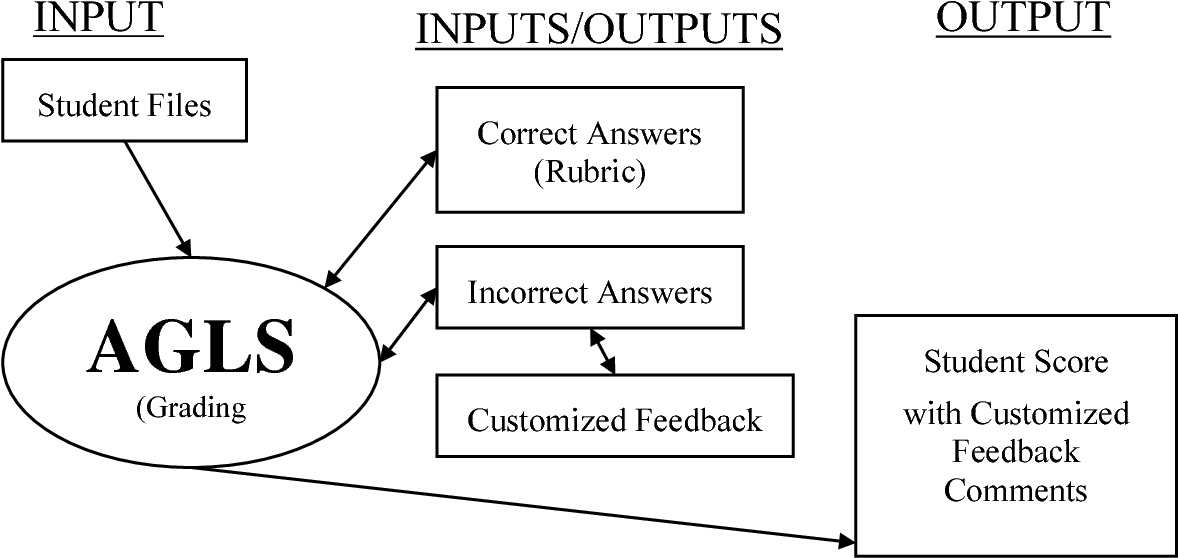
Automated Grading: A Catalyst for Time Efficiency and Enhanced Feedback
Automated grading is an innovative technology that is revolutionizing the education landscape by significantly reducing grading time and improving the quality of student feedback.
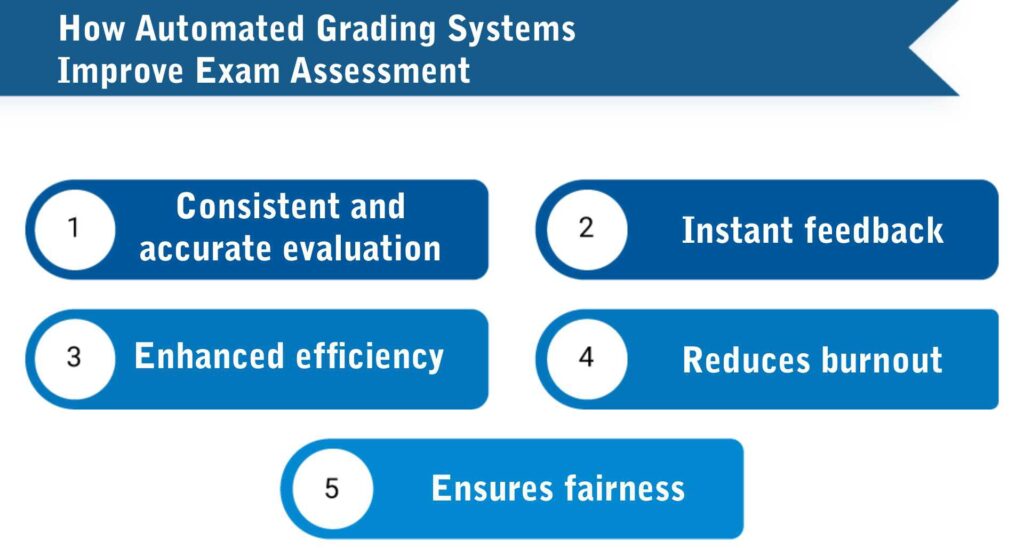
Time-Saving Benefits

- Frees Educators from Manual Labor: Automated grading systems eliminate the tedious and time-consuming task of manually evaluating student submissions. This allows educators to allocate more time to meaningful teaching and student support.
- Efficient Grading for Large Class Sizes: For instructors managing classes with hundreds of students, automated grading can save countless hours, making the grading process manageable and efficient.
Enhanced Feedback
- Immediate and Personalized Feedback: Automated grading systems provide students with instant feedback on their submissions. This timely and personalized feedback allows students to identify areas for improvement and adjust their study strategies accordingly.
- Data-Driven Insights: Automated grading systems generate detailed reports that highlight student strengths and weaknesses. These insights help educators tailor their teaching and provide targeted feedback to address specific areas of growth.
- Reduced Subjectivity: Automated grading eliminates human bias and ensures consistent evaluation. This enhances fairness and transparency in the grading process.
Types of Automated Grading
- Multiple Choice and True/False Questions: Systems can automatically score multiple-choice and true/false questions, providing immediate feedback to students.
- Essay Grading: Using natural language processing (NLP), automated grading systems can analyze essays for content, grammar, and style.
- Code Graders: For programming assignments, automated grading systems can check for syntax errors, logical flaws, and adherence to specifications.
Benefits for Students
- Faster Turnaround Time: Students receive feedback on their assignments within minutes, allowing them to address any issues promptly.
- Improved Learning Outcomes: Timely feedback and data-driven insights enable students to identify areas for improvement and enhance their understanding of course material.
Conclusion
Automated grading is an invaluable tool that streamlines the grading process, saving educators time and enabling them to provide more meaningful feedback to students. By leveraging data analytics and NLP, automated grading systems enhance the objectivity, efficiency, and effectiveness of grading, ultimately empowering students to succeed. As technology continues to advance, automated grading is expected to become an indispensable part of the modern education system.## Automated Grading: Saving Time and Enhancing Feedback
Executive Summary
Automated grading is a groundbreaking technology that has the potential to revolutionize the education sector. It leverages advanced algorithms and artificial intelligence (AI) to assess student assignments, exams, and other submissions. By automating this process, educators can save significant time and effort, while also providing students with more timely and insightful feedback.
This article explores the benefits, implementation strategies, and limitations of automated grading. It addresses common concerns and provides guidance on how to effectively integrate this technology into educational settings.
Introduction
Traditional grading methods are often manual, time-consuming, and prone to biases. Automated grading offers a compelling solution by using AI algorithms to assess submissions based on predefined criteria. This technology can analyze vast amounts of data, identify patterns, and provide consistent and objective assessments.
FAQs
Q: What types of assignments can be graded automatically?
A: Automated grading is primarily used for assignments that can be objectively evaluated, such as multiple-choice quizzes, short-answer questions, and coding assessments.
Q: Is automated grading as accurate as human grading?
A: Accuracy depends on the quality of the underlying algorithms. Well-developed automated grading systems can achieve high levels of accuracy, especially for assignments that have clear-cut answers.
Q: Can automated grading replace human graders altogether?
A: While automated grading can significantly reduce the workload for educators, it is not intended to completely replace human feedback. Automated systems can provide initial assessments, but human graders are still essential for providing personalized feedback and evaluating more complex assignments.
Top 5 Subtopics
1. Time Savings
- Reduces hours of manual grading: Automates the tedious and repetitive process of grading assignments.
- Frees up time for educators: Allows teachers to focus on higher-level tasks, such as lesson planning and student support.
- Increases efficiency: Streamlines the grading process, enabling educators to grade more assignments in less time.
2. Enhanced Feedback
- Immediate feedback: Provides students with feedback on their submissions immediately or within a short timeframe.
- Detailed and specific: AI algorithms can provide detailed feedback on specific areas of improvement, helping students identify weaknesses and improve their understanding.
- Personalized: Adapts feedback to the individual student’s performance and learning style.
3. Consistency and Objectivity
- Eliminates bias: Automated systems are not influenced by personal biases or subjective factors, ensuring fair and consistent grading.
- Enhances fairness: Ensures that all students are evaluated according to the same criteria, reducing the risk of disparities in grading.
- Supports data-driven decisions: Provides educators with data on student performance, which can inform instructional decisions.
4. Scalability
- Handles large volumes: Can process and grade a vast number of assignments simultaneously, making it suitable for large classrooms or online courses.
- Supports remote learning: Facilitates grading assignments from remote locations, providing flexibility for both educators and students.
- Adapts to diverse assignments: Can be customized to grade a variety of assignment types, from multiple-choice quizzes to essays.
5. Limitations and Concerns
- May not be suitable for all assignments: Complex assignments, such as essays or creative projects, require human evaluation to assess critical thinking and creativity.
- Potential for errors: Automated grading systems can make mistakes, especially if the algorithms are not properly trained or the assignments are ambiguous.
- Concerns about equity: Ensure equitable access to technology and support for students from diverse backgrounds.
Conclusion
Automated grading is a valuable tool that can revolutionize the education sector. Its benefits include significant time savings, enhanced feedback, consistency, scalability, and the potential to improve student learning outcomes. While there are limitations and concerns to consider, with proper implementation and integration, automated grading can empower educators and enhance the educational experience for students.
Keyword Tags
- Automated grading
- AI in education
- Time savings
- Enhanced feedback
- Consistency and objectivity