
Innovation in Academics: Embracing Challenges and Finding Creative Solutions
Embrace Challenges as Opportunities for Growth
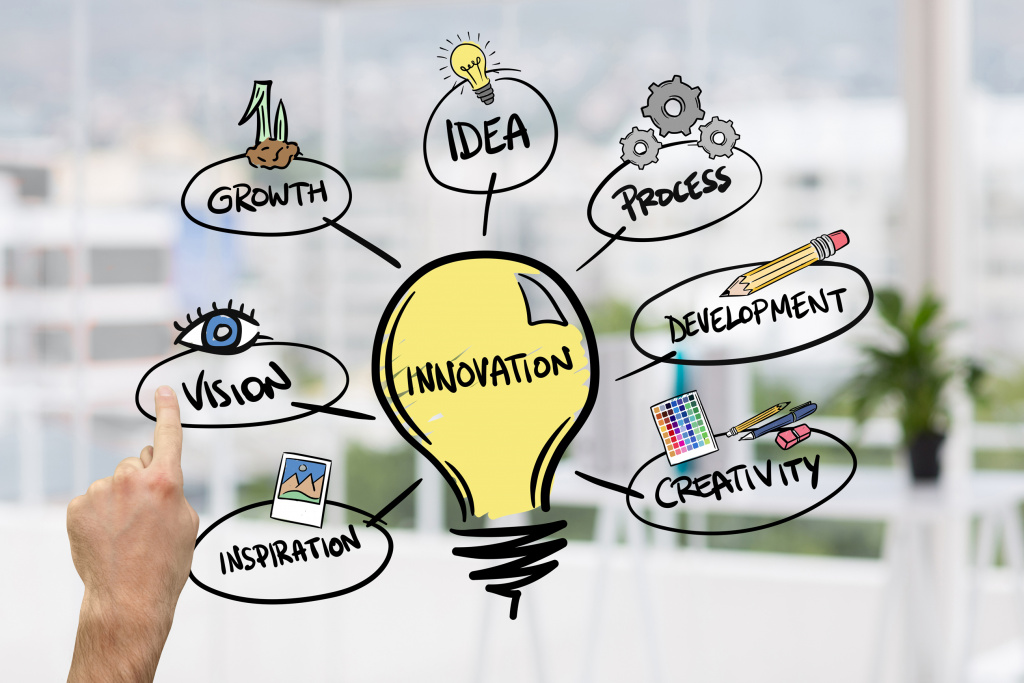
- Acknowledge the disruption: Recognize that challenges can create new pathways for innovation.
- Seek perspectives: Engage with different stakeholders, students, faculty, administrators, and industry experts.
- Reframe challenges as problems to solve: Focus on identifying alternative solutions rather than dwelling on obstacles.
Foster a Culture of Experimentation

- Encourage risk-taking: Create a safe and supportive environment for experimentation and idea generation.
- Provide resources for innovation: Allocate funding, equipment, and mentorship opportunities to support innovative projects.
- Celebrate failures: Emphasize the importance of learning from mistakes and using them as stepping stones.
Leverage Technology and Collaboration
- Integrate technology into teaching: Utilize virtual reality, simulations, and online platforms to enhance learning experiences.
- Foster cross-disciplinary collaboration: Encourage interdisciplinary research and projects to foster innovation from diverse perspectives.
- Seek external partnerships: Collaborate with industry leaders, research institutions, and community organizations for access to expertise and resources.
Develop a Design Thinking Mindset
- Emphasize human-centered problem-solving: Prioritize understanding the needs of students and stakeholders.
- Prototype and test ideas: Create early mock-ups and conduct pilot programs to gain feedback and refine solutions.
- Iterate and adapt: Regularly evaluate and modify innovative programs and approaches based on data and feedback.
Promote Student Agency
- Empower students to lead innovation: Encourage student participation in research, design projects, and entrepreneurial initiatives.
- Foster self-directed learning: Provide opportunities for students to explore their interests and develop their own learning pathways.
- Recognize and reward innovation: Celebrate student successes and acknowledge their contributions to the academic community.
Additional Tips for Success
- Secure stakeholder buy-in: Engage key stakeholders early and involve them in the decision-making process.
- Create a supportive infrastructure: Establish clear policies, guidelines, and resources to facilitate innovation.
- Measure and evaluate impact: Regularly assess the effectiveness of innovative programs and make adjustments as needed.
- Foster a mindset of continuous improvement: Embracing innovation should be an ongoing process, not a one-time event.
By embracing these strategies, academic institutions can foster an environment where challenges are transformed into opportunities for innovative solutions, leading to enhanced student learning, faculty growth, and institutional excellence.## Executive Summary
The educational landscape is undergoing a transformative shift, driven by the relentless march of technology and the ever-evolving demands of the 21st-century workforce. In this dynamic environment, academic institutions face a critical imperative to embrace innovation as a cornerstone of their operations. By fostering a culture of creativity, adaptability, and problem-solving, educators can equip students with the skills and mindsets necessary to thrive in an increasingly complex and interconnected world.
Introduction
Traditionally, educational institutions have often been perceived as bastions of tradition, with a tendency to resist change. However, the rapidly evolving demands of the modern world necessitate a paradigm shift, where innovation becomes an indispensable element of academic excellence. By embracing challenges and seeking creative solutions, educators can unlock transformative opportunities for student learning, institutional growth, and societal impact.
FAQ
1. What are the benefits of innovation in academics?
- Enhanced student engagement and motivation
- Improved learning outcomes and critical thinking skills
- Greater adaptability to the evolving needs of the workforce
- Increased institutional reputation and competitiveness
2. How can academic institutions foster a culture of innovation?
- Encourage experimentation and risk-taking
- Provide resources and support for innovative teaching practices
- Establish partnerships with industry and research organizations
- Promote cross-disciplinary collaboration and idea-sharing
3. What are some examples of innovative practices in academics?
- Flipped classrooms and blended learning models
- Gamification and interactive learning platforms
- Personalized learning pathways and adaptive technologies
- Experiential learning and project-based assignments
Key Subtopics
1. Redefining Teaching and Learning
- Personalized Learning: Tailoring educational experiences to individual student needs, strengths, and interests.
- Technology Integration: Leveraging technology to enhance learning outcomes, foster collaboration, and provide access to global resources.
- Experiential Learning: Engaging students in hands-on, real-world experiences to deepen understanding and develop practical skills.
- Cross-Disciplinary Approaches: Breaking down traditional academic silos and fostering interdisciplinary collaboration to address complex issues.
- Lifelong Learning: Emphasizing the importance of continuous learning beyond formal education to adapt to the evolving demands of the workforce.
2. Embracing Research and Innovation
- Collaboration with Industry: Establishing partnerships with businesses and research organizations to translate academic research into real-world solutions.
- Cutting-Edge Facilities: Providing access to state-of-the-art facilities and equipment to support innovative research and experimentation.
- Interdisciplinary Research: Encouraging cross-disciplinary research teams to address complex societal challenges from multiple perspectives.
- Open Access to Knowledge: Promoting the dissemination of academic research and educational resources to a wider audience through open-access platforms.
- Data-Driven Decision-Making: Utilizing data analytics to inform academic planning, curriculum development, and student support initiatives.
3. Fostering Creativity and Problem-Solving
- Encouraging Risk-Taking: Creating a safe and supportive environment where students and educators feel empowered to take risks and experiment with new ideas.
- Design Thinking: Incorporating design thinking principles into the curriculum to develop innovative solutions to real-world problems.
- Project-Based Learning: Assigning students collaborative projects that require them to apply knowledge, solve problems, and develop creative solutions.
- Hackathons and Idea Labs: Organizing events that bring together students, faculty, and industry professionals to brainstorm and develop innovative solutions.
- Maker Spaces: Providing access to dedicated spaces equipped with tools and materials to encourage hands-on experimentation and prototyping.
4. Preparing Students for the Future
- 21st-Century Skills: Equipping students with the skills necessary to succeed in the modern workplace, such as critical thinking, problem-solving, creativity, and communication.
- Global Citizenship: Fostering a sense of global awareness and responsibility, preparing students to navigate an interconnected world.
- Entrepreneurship and Innovation: Encouraging students to develop entrepreneurial mindsets and skills to become future leaders and innovators.
- Intercultural Competence: Promoting understanding and appreciation of diverse cultures to prepare students for effective global collaboration.
- Resilience and Adaptability: Developing students’ resilience and adaptability to thrive in a rapidly changing world.
5. Transforming Institutional Culture
- Leadership Support: Creating a supportive and forward-thinking institutional culture that embraces innovation at all levels.
- Flexible Structures: Developing flexible academic structures and policies that accommodate innovative approaches to teaching and learning.
- Investment in Infrastructure: Investing in modern facilities, technology, and resources to support innovative practices.
- Collaboration and Knowledge-Sharing: Establishing mechanisms for collaboration and knowledge-sharing among faculty, staff, and students.
- Recognition and Rewards: Recognizing and rewarding educators and students who demonstrate innovative thinking and successful implementation of innovative practices.
Conclusion
Embracing innovation in academics is not merely a matter of adopting new technologies or methodologies. It is a fundamental transformation of mindset and culture, where creativity, adaptability, and problem-solving become the cornerstones of education. By embracing challenges and seeking innovative solutions, academic institutions can empower students with the skills and mindsets they need to thrive in the rapidly evolving world of the 21st century.
Keyword Tags:
- Innovation in Education
- Academic Transformation
- Creative Problem-Solving
- Future-Ready Students
- Institutional Culture