Goal Setting for Work-Life Balance
Effective work-life balance is crucial for well-being, productivity, and overall life satisfaction. Goal setting plays a pivotal role in achieving this balance by providing a roadmap for managing work and personal commitments.
Benefits of Goal Setting for Work-Life Balance:
- Clarity and Prioritization: Goal setting helps define what’s important to you in both work and life, allowing you to prioritize your time and effort.
- Improved Time Management: By breaking down large goals into smaller, manageable ones, you can create a realistic schedule that accommodates both work and personal responsibilities.
- Increased Motivation and Accountability: Setting specific goals provides a target to strive for, boosting motivation and creating a sense of accountability.
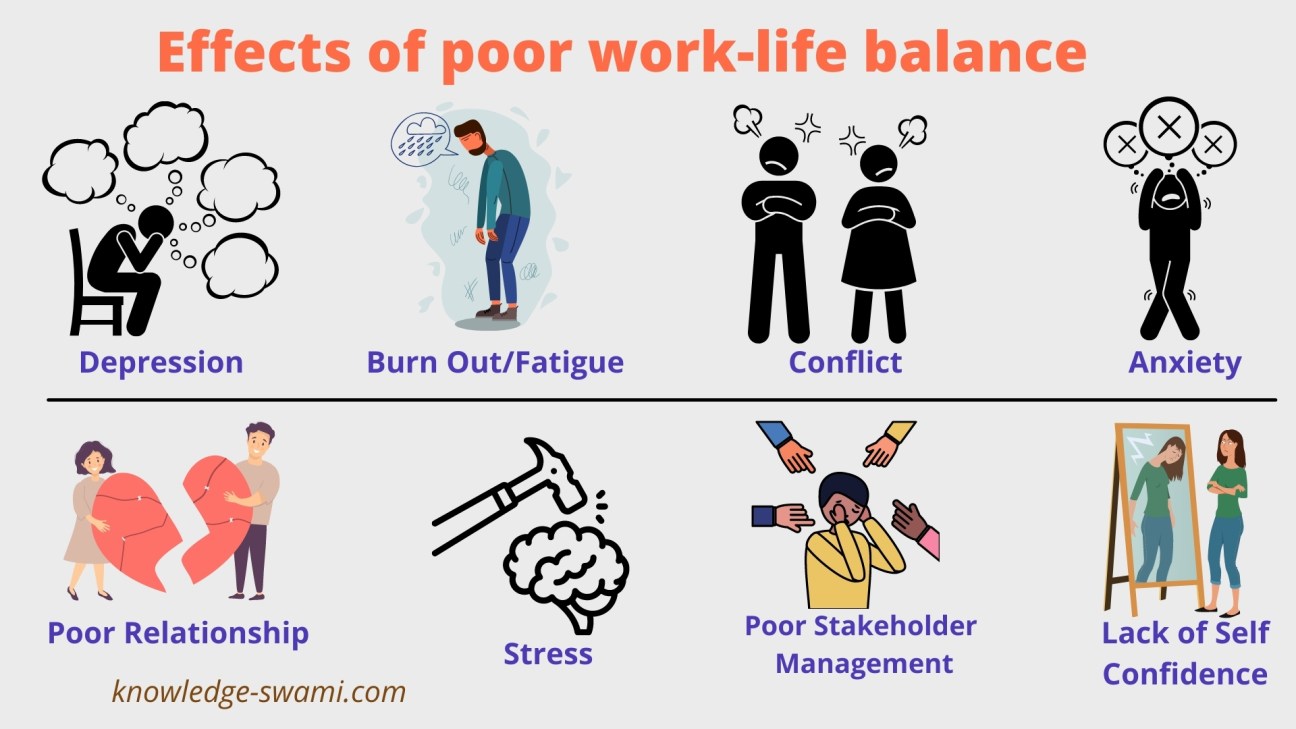
- Reduced Stress and Anxiety: When you have a clear plan and know what needs to be accomplished, it can reduce feelings of overwhelm and anxiety associated with work-life juggle.
Types of Goals for Work-Life Balance:
Short-Term Goals:
- Delegate tasks at work to free up time for personal activities.
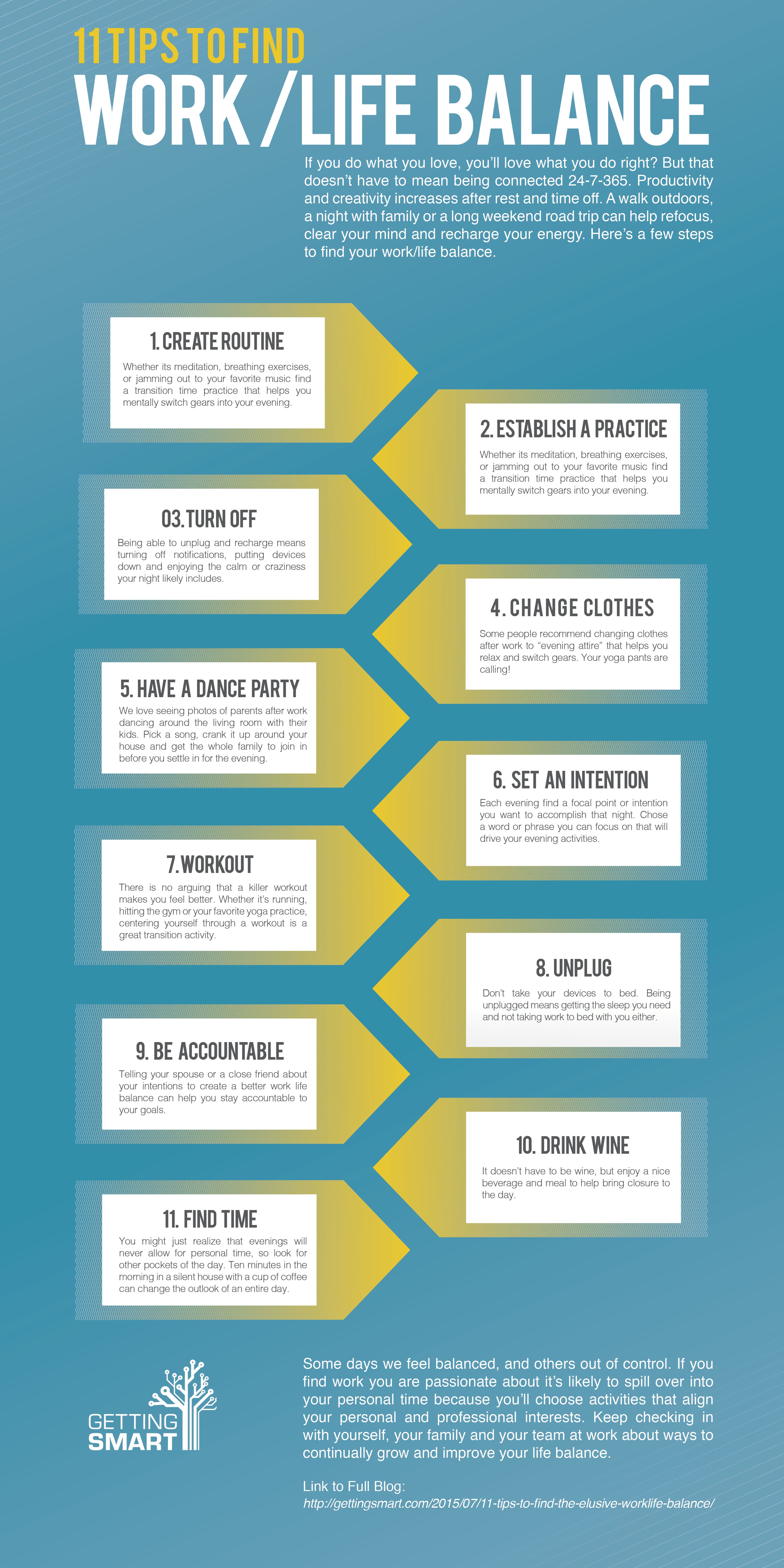
- Schedule regular breaks throughout the workday.
- Establish “no work” hours after a certain time.
Medium-Term Goals:
- Negotiate a flexible work schedule.
- Explore remote work options.
- Find a support system to help with childcare or household responsibilities.
Long-Term Goals:
- Identify and pursue a career path that allows for a desired work-life balance.
- Set financial goals that support a balanced lifestyle.
- Cultivate hobbies, relationships, and activities that bring joy and fulfillment outside of work.
Tips for Effective Goal Setting:
- Make goals specific, measurable, achievable, relevant, and time-bound (SMART).
- Write down your goals and keep them visible.
- Break down large goals into smaller, manageable steps.
- Set realistic deadlines and avoid overcommitting.
- Monitor your progress regularly and make adjustments as needed.
- Seek support from family, friends, or a mentor.
Conclusion:
Goal setting is an essential tool for achieving work-life balance. By setting clear, well-defined goals, individuals can prioritize their commitments, manage their time effectively, reduce stress, and ultimately create a life that fulfills both their professional and personal aspirations.## Achieving Work-life Balance: The Role Of Goal Setting
Executive Summary
Work-life balance is a crucial aspect of overall well-being, impacting productivity, health, and personal fulfillment. Goal setting plays a significant role in achieving this balance by providing a structured framework for managing time and priorities. This article explores the importance of goal setting in work-life balance, outlining key subtopics and providing practical tips for effective implementation.
Introduction
In today’s demanding work environment, finding equilibrium between professional and personal life can be a significant challenge. Work-life balance is essential for maintaining a healthy, satisfying lifestyle, as it allows individuals to allocate time to both career aspirations and personal fulfillment. Goal setting emerged as a powerful tool to achieve this balance, enabling individuals to prioritize tasks, manage time efficiently, and establish clear boundaries between work and personal spheres.
FAQ
1. Why is work-life balance important?
a) Reduced stress and improved well-being
b) Enhanced productivity and focus
c) Increased job satisfaction and personal fulfillment
2. How does goal setting help achieve work-life balance?
a) Provides a framework for prioritizing tasks
b) Aids in time management and boundary setting
c) Helps maintain focus and avoid distractions
3. What are the key elements of effective goal setting?
a) Clarity and specificity
b) Measurability and achievability
c) Timelines and accountability
The 5 Subtopics of Goal Setting for Work-life Balance
Prioritization
Prioritization involves identifying the most important tasks and allocating time and resources accordingly. Techniques such as the Eisenhower Matrix can help categorize tasks based on urgency and importance.
- Define clear goals and objectives: Establish specific, measurable, achievable, relevant, and time-bound (SMART) goals for both work and personal life.
- Categorize tasks: Use the Eisenhower Matrix to categorize tasks into urgent/important, urgent/not important, not urgent/important, and not urgent/not important.
- Focus on high-value activities: Dedicate the majority of time to tasks that contribute significantly to both work and personal goals.
Time Management
Effective time management involves optimizing the use of available time. Techniques such as the Pomodoro Technique and time blocking can help structure workdays and personal time.
- Establish a structured schedule: Create a daily or weekly schedule that allocates specific time slots for work, personal activities, and breaks.
- Use time management tools: Utilize techniques like the Pomodoro Technique to break down work periods into focused intervals followed by short breaks.
- Delegate or outsource tasks: Identify tasks that can be delegated to colleagues or outsourced to external providers to free up personal time.
Boundaries
Establishing clear boundaries between work and personal life is crucial to prevent burnout. Techniques such as setting designated work hours and creating separate workspaces can help maintain these boundaries.
- Define work hours: Establish specific work hours and adhere to them consistently.
- Create a dedicated workspace: Designate a specific area as your workspace to avoid work-related interruptions during personal time.
- Use technology wisely: Utilize tools like email filters and notifications to minimize work-related interruptions outside of work hours.
Self-Care
Self-care involves taking care of one’s physical and mental health to prevent burnout and maintain overall well-being. Techniques such as stress management, exercise, and social connections can enhance self-care.
- Practice stress management techniques: Engage in activities like meditation, yoga, or deep breathing to reduce stress and improve focus.
- Exercise regularly: Regular exercise helps improve physical and mental health, reducing stress and enhancing productivity.
- Cultivate social connections: Spend time with loved ones and engage in social activities to strengthen emotional support and reduce isolation.
Evaluation and Adjustment
Goal setting is an ongoing process. It requires regular evaluation and adjustment to ensure alignment with evolving priorities and circumstances.
- Track progress: Monitor progress towards goals regularly and identify areas for improvement.
- Make adjustments as needed: Reassess goals and make necessary adjustments to maintain alignment with changing priorities and circumstances.
- Seek support and feedback: Consult with managers, mentors, or peers for support and feedback to improve goal-setting strategies.
Conclusion
Goal setting plays a pivotal role in achieving work-life balance by providing a structured framework for managing time and priorities. By incorporating prioritization, time management, boundaries, self-care, and evaluation into goal setting, individuals can create a fulfilling and balanced lifestyle. Remember, achieving work-life balance is a journey, not a destination. It requires consistent effort, flexibility, and a commitment to prioritizing both career and personal well-being.
Keyword Tags
- Work-life balance
- Goal setting
- Prioritization
- Time management
- Boundaries