Active Recall for Lifelong Learning: Extending Skills Beyond the Classroom
What is Active Recall?

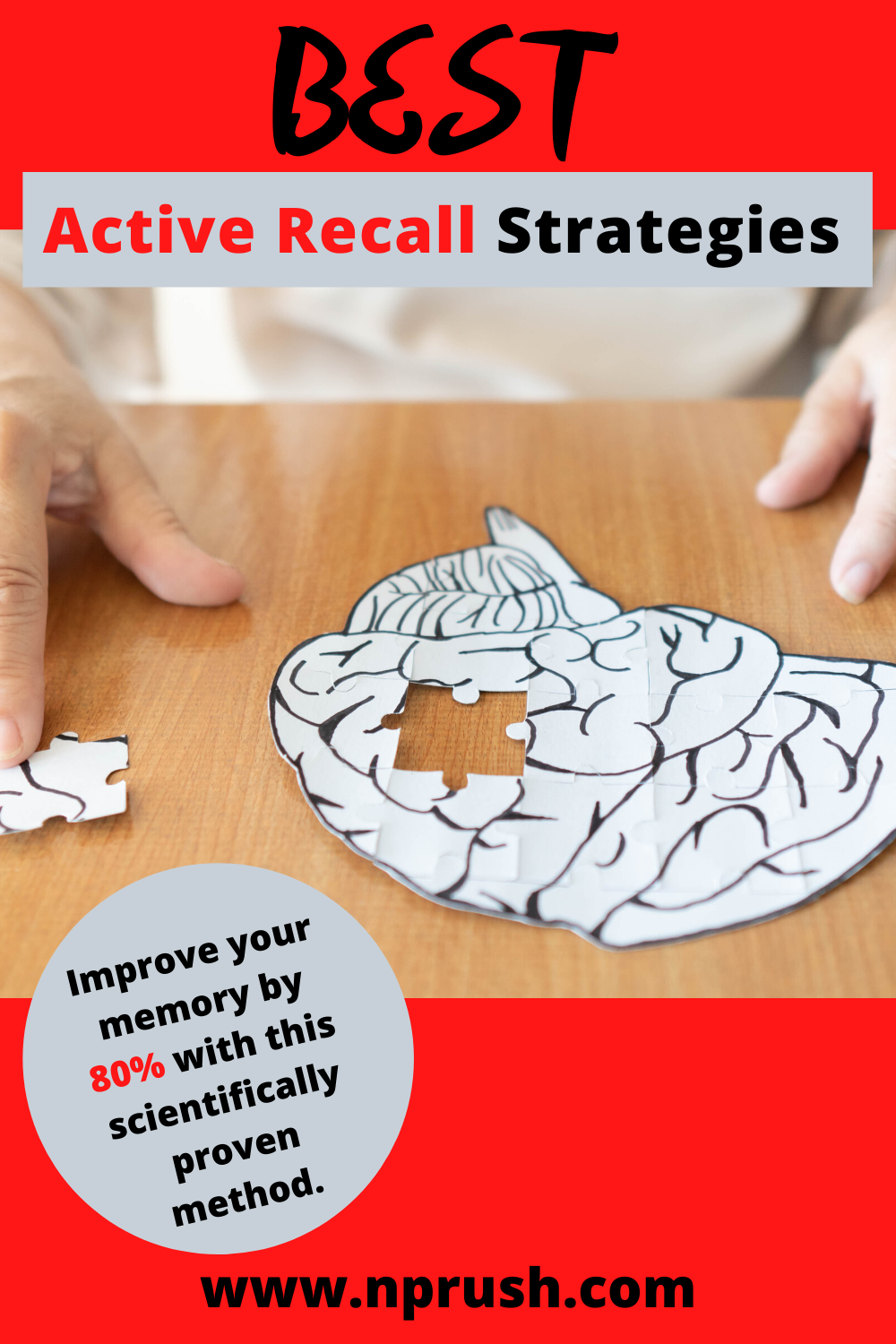
Active recall is a learning technique that involves actively retrieving information from memory instead of passively rereading or re-listening to notes. By actively recalling information, you strengthen the neural pathways associated with that information, making it easier to retain and retrieve in the future.

Benefits of Active Recall for Lifelong Learning:
- Enhanced Memory Retention: Active recall improves memory consolidation by forcing the brain to actively engage with the material being learned.
- Increased Understanding: The process of retrieving information helps you understand it more deeply and connect it to existing knowledge.
- Improved Critical Thinking: Active recall requires you to think critically about the material and apply it to new situations.
- Development of Problem-Solving Skills: Active recall promotes problem-solving by allowing you to identify gaps in your knowledge and seek solutions.
- Enhanced Metacognitive Skills: Active recall helps you develop metacognitive skills by reflecting on your understanding of the material and identifying areas for improvement.
Skills Extended Beyond the Classroom:
Active recall can extend your learning skills beyond the classroom by developing transferable skills that are essential for lifelong learning:
- Critical Thinking: The ability to think critically and evaluate information independently.
- Problem Solving: The ability to identify and solve problems using available resources and knowledge.
- Metacognition: The ability to reflect on your own understanding and identify areas for growth.
- Self-Directed Learning: The ability to learn new things independently without external guidance.
- Adaptability: The ability to adjust your learning strategies based on different contexts and challenges.
How to Implement Active Recall:
- Spaced Retrieval: Review information at increasing intervals (e.g., 1 hour, 1 day, 1 week) to enhance retention.
- Flashcards: Create flashcards with questions on one side and answers on the other.
- Quizzing: Regularly quiz yourself on the material using questions or self-tests.
- Free Recall: Try to recall information from memory without relying on notes or resources.
- Explain It to Someone: Explain the material to someone else to test your understanding and identify areas for improvement.
Conclusion:
Active recall is a powerful learning technique that can extend your skills beyond the classroom and empower you with lifelong learning capabilities. By actively retrieving information from memory and fostering critical thinking, problem-solving, and metacognition, you can continue to learn and grow throughout your life.## [Active Recall For Lifelong Learning: Skills That Extend Beyond The Classroom]
Executive Summary:
Active recall is a powerful learning technique that involves actively retrieving information from memory. By regularly engaging in active recall, learners can significantly improve their long-term retention and understanding of the material. This technique is not limited to the classroom; it can be applied in various settings and throughout life to enhance knowledge acquisition and lifelong learning.
Introduction:
Active recall is a learning strategy that requires individuals to actively and intentionally retrieve information from memory. Unlike passive learning techniques like re-reading or highlighting, active recall forces the brain to work harder to access the information, strengthening the memory traces and improving long-term retention. This technique is highly effective in various learning contexts and has been shown to enhance learning outcomes across different domains.
FAQ:
What is active recall?
Active recall is a learning technique that involves actively retrieving information from memory without the aid of external cues or notes. It challenges the brain to recall information and helps strengthen memory.How can I practice active recall?
There are multiple ways to practice active recall, such as self-testing, flashcards, or explaining concepts to others. The key is to engage in activities that require you to actively recall information from memory.Why is active recall important for lifelong learning?
Active recall helps consolidate information in long-term memory, promotes critical thinking, and improves problem-solving abilities. It extends beyond the classroom, empowering individuals to retain and apply knowledge throughout their lives.
Spaced Repetition:
Spaced repetition is a technique that involves reviewing the material at increasing intervals. This helps strengthen memory traces and reduces forgetting.
- Divide the material into smaller chunks: Break down the information into manageable units for easier recall.
- Review regularly at increasing intervals: Start with short intervals and gradually increase the time between reviews to challenge your memory.
- Use flashcards or spaced repetition apps: Create flashcards or use apps that automatically schedule reviews based on your progress.
Retrieval Practice:
Retrieval practice involves actively recalling information from memory without any cues or prompts.
- Self-quizzing: Create your questions and quiz yourself on the material regularly.
- Explain concepts to others: Teaching or explaining concepts to others forces you to recall information and articulate it clearly.
- Practice retrieval in different contexts: Apply the learned information to new situations or scenarios to enhance your understanding.
Interleaving:
Interleaving involves mixing up different subjects or topics while studying. This promotes deeper understanding and reduces the risk of forgetting.
- Alternate between subjects: Study different subjects in a random order rather than focusing on one subject for an extended period.
- Combine different types of problems: When practicing math problems, mix up different types of questions to challenge your problem-solving skills.
- Review related topics together: Connect different topics or concepts and review them simultaneously to improve your comprehension.
Elaboration:
Elaboration involves connecting new information to existing knowledge or personal experiences.
- Make connections to prior knowledge: Relate the new information to what you already know to enhance understanding.
- Create analogies or metaphors: Use analogies or metaphors to illustrate complex concepts and make them easier to remember.
- Summarize in your own words: Summarize the information in your own words to demonstrate your comprehension.
Metacognition:
Metacognition is the ability to think about your own learning process. It involves monitoring your understanding, identifying areas for improvement, and adjusting your strategies accordingly.
- Reflect on your learning: Regularly assess your progress and identify areas where you need more support.
- Analyze your strengths and weaknesses: Determine what learning techniques work best for you and focus on developing those strategies.
- Set realistic learning goals: Establish achievable learning goals and track your progress to stay motivated.
Conclusion:
Active recall is an essential skill for lifelong learning. By actively retrieving information from memory, learners can significantly enhance their long-term retention and understanding of the material. This technique extends beyond the classroom, empowering individuals to retain and apply knowledge throughout their lives. Whether you’re a student, a professional, or simply seeking personal enrichment, incorporating active recall into your learning routine can unlock a world of knowledge and continuous growth.
Keyword Tags:
- Active Recall
- Lifelong Learning
- Spaced Repetition
- Retrieval Practice
- Interleaving