Understanding Test Anxiety
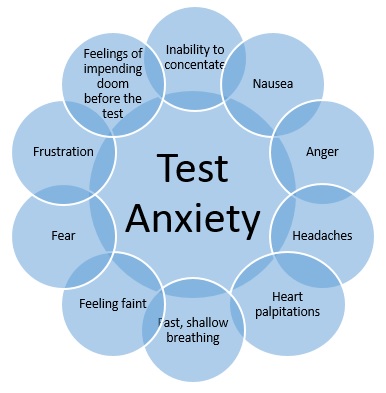
Test anxiety, a common experience among students, arises from intense feelings of nervousness, worry, and fear associated with examinations. This anxiety can impair cognitive abilities, leading to poor test performance.
Active Recall as a Remedy

Active recall is a retrieval practice technique that involves actively trying to retrieve information from memory without looking at notes or resources. It has been shown to be highly effective in reducing test anxiety and improving performance.
How Active Recall Works
- Strengthened Memory Encodings: Active recall forces the brain to work harder to retrieve information, creating stronger memory encodings.
- Retrieval Practice: By repeatedly attempting to retrieve information, students practice the retrieval process itself, which improves their ability to access information during exams.
- Reduced Retrieval Failure: Active recall helps students identify gaps in their knowledge and address them before exams. This reduces the likelihood of retrieval failure during tests.
Implementing Active Recall
Incorporate active recall into your study routine through the following methods:
- Flash Cards: Create flashcards with questions on one side and answers on the other. Hide the answer side and actively recall the information.
- Retrieval Practice Exercises: Regularly quiz yourself on the material you’re studying without looking at your notes.
- Teaching or Explaining Concepts: Explaining concepts to others forces you to actively recall information and organize it in a meaningful way.
- Spaced Repetition: Review material at spaced intervals to reinforce memory and prevent forgetting.
Benefits of Active Recall for Test Success
- Reduced Test Anxiety: Active recall builds confidence by improving students’ ability to retrieve information and reducing the fear of retrieval failure.
- Improved Memory: Active recall strengthens memory encodings and improves retrieval effectiveness.
- Enhanced Cognitive Flexibility: Active recall promotes flexibility in accessing and using information, which is crucial for problem-solving during exams.
- Improved Exam Performance: Studies have consistently shown that active recall leads to significant improvements in exam scores and grades.
Conclusion
Active recall is a powerful tool that can help students overcome test anxiety and achieve success on exams. By actively retrieving information from memory and practicing the retrieval process, students can strengthen their memory, reduce anxiety, and improve their overall test performance.## Executive Summary
Active recall is a learning technique that involves actively trying to retrieve information from memory. This can be done through methods such as flashcards, practice tests, or simply trying to recite information from memory. Active recall has been shown to be more effective than passive learning methods, such as simply reading or listening to a lecture, in improving long-term retention of information. This is because active recall forces the brain to work harder to retrieve information, which strengthens the memory trace.
Introduction
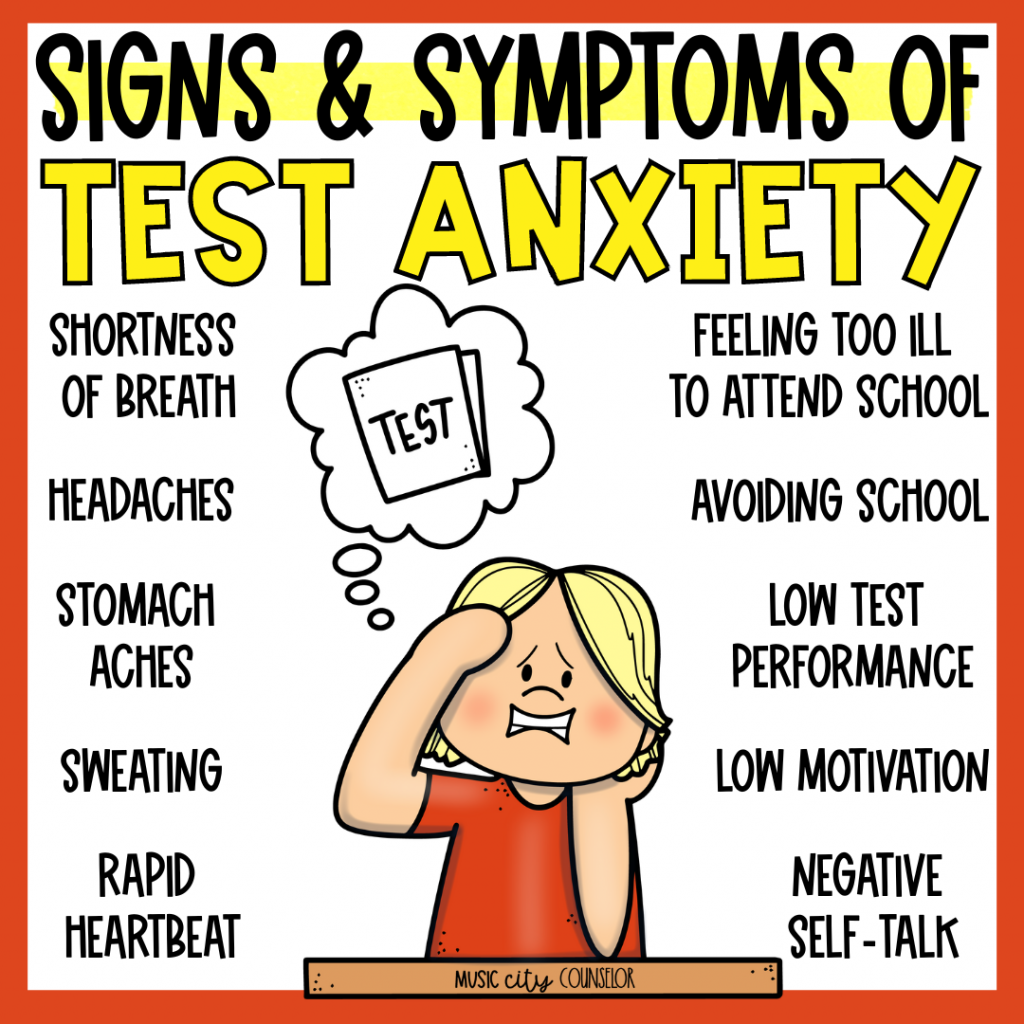
Test anxiety is a common problem that can affect students of all ages. It can cause a variety of symptoms, including:
- Feeling anxious or nervous before, during, or after a test
- Having difficulty concentrating or focusing on the test
- Feeling like you’re going to fail the test
- Experiencing physical symptoms, such as a racing heart, sweaty palms, or a headache
Test anxiety can be a debilitating problem, but there are several things you can do to overcome it. One effective strategy is active recall.
FAQs
- What is active recall?
- How can active recall help me overcome test anxiety?
- How can I use active recall to study for a test?
Subtopics
Spaced Repetition
Spaced repetition is a technique for reviewing information at spaced intervals. This helps to strengthen the memory trace and improve long-term retention. Spaced repetition can be done using flashcards, spaced repetition software, or simply by reviewing information at regular intervals.
- Benefits:
- Improved long-term retention
- Reduced forgetting
- Increased efficiency
- How to:
- Review information at regular intervals. Start by reviewing information within a few minutes of first learning it. Then, gradually increase the time between reviews.
- Use flashcards or spaced repetition software. There are a variety of flashcards and spaced repetition software programs available that can help you to schedule your reviews.
- Review information in different ways. Try to review information in different ways, such as by reading it, reciting it from memory, or testing yourself.
Retrieval Practice
Retrieval practice is the act of trying to retrieve information from memory without looking at your notes. This can be done through methods such as flashcards, practice tests, or simply trying to recite information from memory. Retrieval practice has been shown to be more effective than passive learning methods, such as simply reading or listening to a lecture, in improving long-term retention of information.
- Benefits:
- Improved long-term retention
- Reduced forgetting
- Increased efficiency
- How to:
- Test yourself regularly. Take practice tests or quizzes to test your understanding of the material.
- Use flashcards. Flashcards are a great way to test your memory and identify areas where you need to improve.
- Recite information from memory. Try to recite information from memory without looking at your notes. This will help you to identify areas where you need to improve.
Interleaving
Interleaving is the act of mixing up different subjects or topics while studying. This helps to improve long-term retention and reduce forgetting. Interleaving can be done by studying different subjects in the same study session, or by alternating between different topics within a single study session.
- Benefits:
- Improved long-term retention
- Reduced forgetting
- Increased efficiency
- How to:
- Study different subjects in the same study session. For example, you could study history, math, and science in the same study session.
- Alternate between different topics within a single study session. For example, you could study a chapter on history, then a chapter on math, then a chapter on science.
Elaboration
Elaboration is the act of connecting new information to information that you already know. This helps to improve understanding and long-term retention. Elaboration can be done by creating summaries, diagrams, or mind maps.
- Benefits:
- Improved understanding
- Increased long-term retention
- Reduced forgetting
- How to:
- Create summaries. Summarizing information helps you to identify the most important points and to understand the overall structure of the material.
- Create diagrams or mind maps. Diagrams and mind maps are visual representations of information that can help you to see the relationships between different concepts.
Feedback
Feedback is information that you receive about your performance. This can help you to identify areas where you need to improve. Feedback can be provided by teachers, peers, or self-assessment.
- Benefits:
- Improved performance
- Reduced errors
- Increased motivation
- How to:
- Ask for feedback from teachers and peers. Feedback from others can help you to identify areas where you need to improve.
- Self-assess your work. Take time to reflect on your work and identify areas where you could improve.
Conclusion
Test anxiety is a common problem, but it can be overcome with the right strategies. Active recall is a powerful learning technique that can help you to improve your long-term retention of information and reduce your test anxiety. By using spaced repetition, retrieval practice, interleaving, elaboration, and feedback, you can improve your understanding of the material and your confidence in your ability to succeed on tests.
Keyword Tags
- Active recall
- Test anxiety
- Spaced repetition
- Retrieval practice
- Interleaving
- Elaboration
- Feedback