The Power of Mindfulness in Reducing Study Stress
Study stress is a common and often debilitating problem for students. It can lead to a range of physical and mental health issues, such as anxiety, depression, and even physical illness. Traditional stress management techniques, such as exercise and relaxation, can be helpful, but they may not be enough to address the underlying causes of study stress.
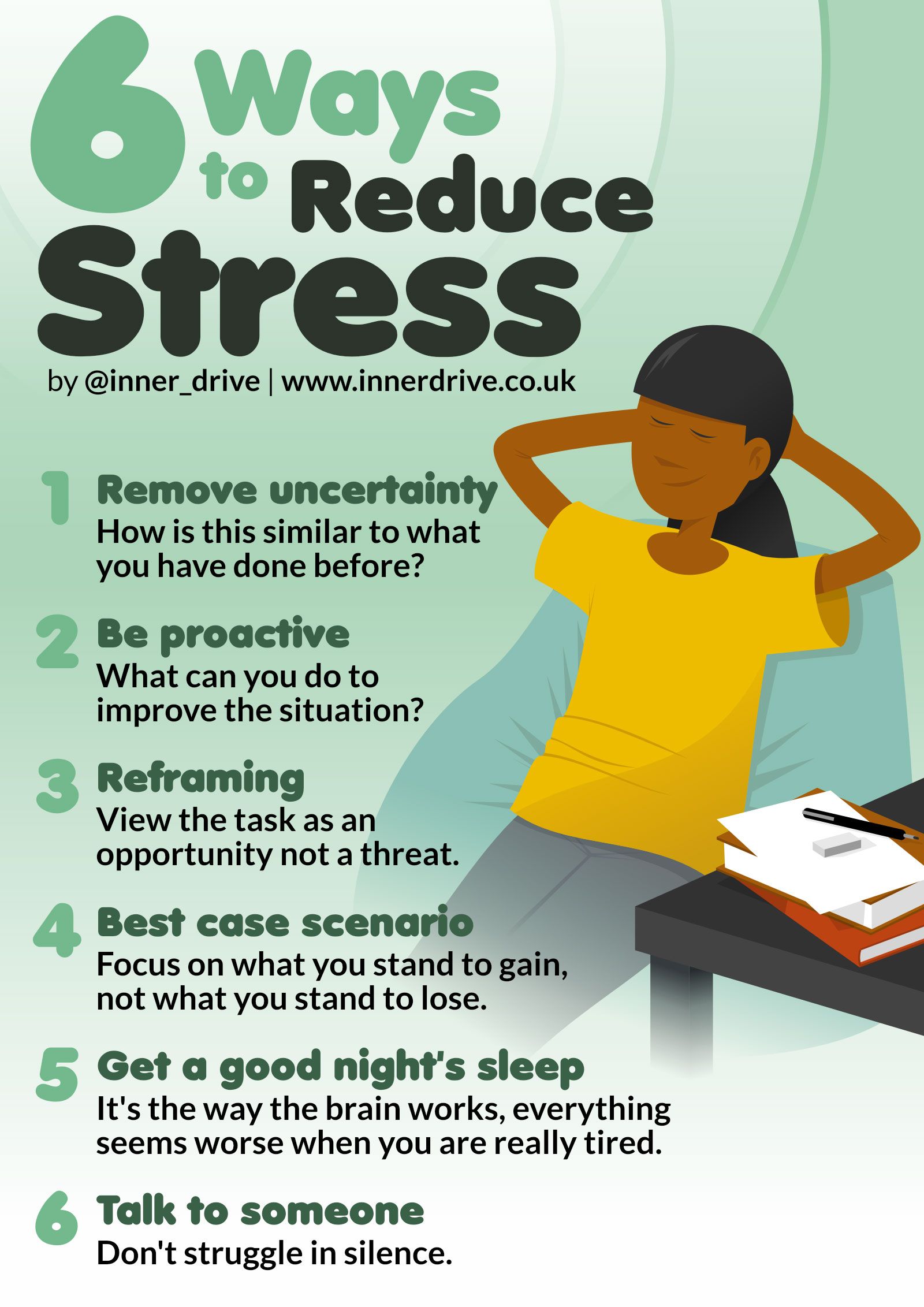
Mindfulness is a powerful tool that can help students manage stress more effectively. It involves paying attention to the present moment without judgment. This can help students to become more aware of their thoughts and feelings and to respond to them in a more constructive way.
There are a number of different mindfulness exercises that can be used to reduce study stress. Here are a few examples:
- Body scan meditation: This involves lying down or sitting in a comfortable position and paying attention to the sensations in your body. Start by focusing on your toes and gradually work your way up to your head. Notice any areas of tension or discomfort.
- Breath awareness meditation: This involves sitting comfortably and paying attention to your breath. Notice the rise and fall of your chest and the movement of air in and out of your nose and mouth.
- Mindful walking: This involves walking slowly and deliberately while paying attention to the sensations of your feet on the ground and the movement of your body.
Mindfulness exercises can be practiced for as little as 5 minutes each day. However, the more you practice, the greater the benefits will be. If you are struggling with study stress, consider incorporating mindfulness into your daily routine. It could make a big difference in your life.
Tips for Practicing Mindfulness
- Set aside a specific time each day to practice mindfulness.
- Find a quiet place where you will not be disturbed.
- Sit or lie down in a comfortable position.
- Close your eyes and focus on your breath.
- Pay attention to the rise and fall of your chest.
- Notice the movement of air in and out of your nose and mouth.
- If your mind wanders, gently bring it back to your breath.
- Do not judge yourself for having distracting thoughts. Simply observe them and let them go.
- Continue practicing for as long as you like.
Mindfulness is a skill that takes practice. Be patient with yourself and keep practicing. Over time, you will find that you are able to focus more easily on the present moment and respond to stress in a more constructive way.## The Power Of Mindfulness: How To Reduce Study Stress Effectively
Executive Summary
This comprehensive guide delves into the transformative power of mindfulness in effectively reducing study stress. It explores the key principles of mindfulness, practical techniques for implementation, and its profound benefits in improving academic performance and overall well-being.
Introduction
The relentless demands of modern education can take a significant toll on students’ mental health, with study stress emerging as a pervasive issue. However, the practice of mindfulness offers a potent solution, empowering students to manage stress, enhance focus, and unlock their full academic potential.
FAQs
1. What is mindfulness?
Mindfulness is the practice of intentionally directing and maintaining attention on the present moment, without judgment or attachment. It involves observing thoughts, feelings, and bodily sensations with a sense of curiosity and acceptance.
2. How can mindfulness reduce study stress?
Mindfulness techniques regulate the hyperactive amygdala, reducing stress hormones and activating the calming prefrontal cortex. It fosters a sense of control, reduces negative thoughts, and promotes emotional resilience.
3. How do I practice mindfulness?
Mindfulness can be practiced through a variety of techniques, such as mindfulness meditation, deep breathing exercises, and body scans. Regular practice strengthens the neural pathways associated with attention and emotional regulation.
Subtopics
1. The Benefits of Mindfulness for Studying
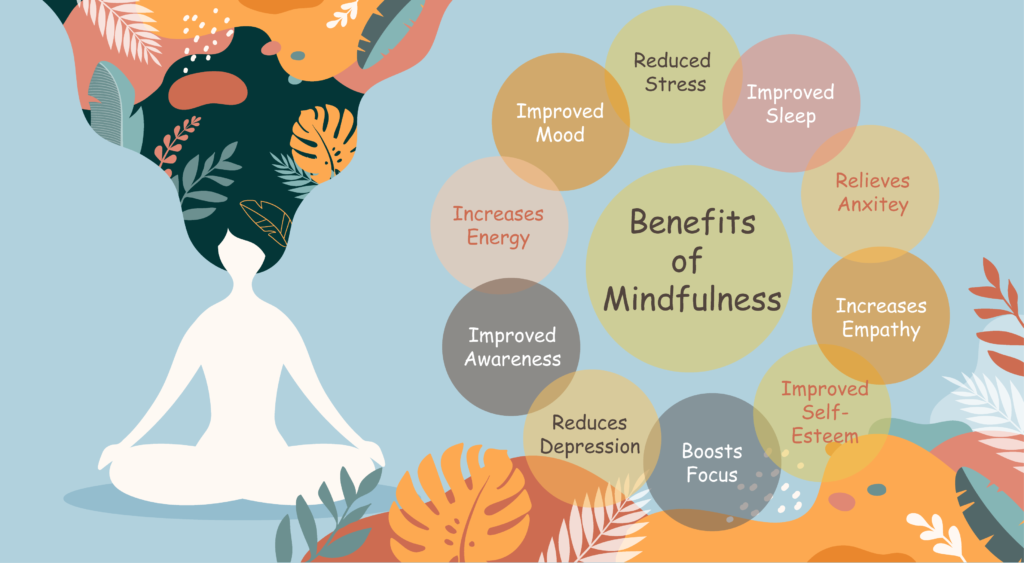
- Improved concentration: Mindfulness reduces distractions and enhances focus, allowing students to engage fully with study materials.
- Reduced anxiety: Mindfulness techniques calm the stressed mind, reducing test anxiety and improving academic performance.
- Enhanced memory: Mindfulness improves working memory capacity, facilitating the retention and recall of information.
- Increased motivation: Mindfulness fosters a sense of purpose and self-awareness, boosting motivation and perseverance in studies.
- Improved self-regulation: Mindfulness promotes self-control and the ability to manage negative emotions, which can disrupt academic performance.
2. Mindfulness Meditation for Study Stress
- Focused attention: Sit comfortably and bring attention to your breath or a chosen object, gently returning attention when it wanders.
- Body scan meditation: Bring awareness to different parts of your body, noticing sensations without judgment.
- Walking meditation: Pay attention to the sensations of walking, the movement of your body, and the surroundings.
- Loving-kindness meditation: Send out positive thoughts and feelings to yourself, others, and all beings.
- Gratitude meditation: Reflect on the things you are grateful for, fostering a sense of well-being and reducing stress.
3. Deep Breathing Techniques
- Diaphragmatic breathing: Breathe deeply into your diaphragm, expanding your abdomen as you inhale and exhaling slowly.
- Box breathing: Inhale for four counts, hold for four counts, exhale for four counts, and hold for four counts.
- Alternate nostril breathing: Close one nostril and inhale through the other, then switch and exhale through the other nostril.
- Mindful breathing: Bring awareness to the natural rhythm of your breath, noticing the sensations of inhalation and exhalation.
- Pursed-lip breathing: Inhale through your nose and exhale slowly and steadily through pursed lips, as if blowing out a candle.
4. Body Scan Exercises
- Progressive body scan: Bring awareness to different parts of your body in a systematic way, starting from your toes and moving upwards.
- Sitting body scan: Sit comfortably and pay attention to the sensations in your body, from the top of your head to the soles of your feet.
- Lying body scan: Lie down and bring attention to the sensations of your body as it sinks into the support below.
- Sensory body scan: Pay attention to the different sensory experiences in your body, such as warmth, pressure, or tingling.
- Emotional body scan: Notice the emotions and sensations in your body without judgment or attachment.
5. Incorporating Mindfulness into Study Routine
- Short mindfulness breaks: Take a few minutes every hour to practice mindful breathing or a body scan.
- Mindful study intervals: Study for 25-30 minutes and then take a 5-10 minute break for mindfulness practice.
- Mindful review: When reviewing study materials, bring awareness to the information, noticing how it feels in your body.
- Mindful self-talk: Challenge negative thoughts and practice self-compassion when studying or taking exams.
- Mindful walking: Take a break from studying to go for a mindful walk, paying attention to your surroundings and the sensations of movement.
Conclusion
The practice of mindfulness is a powerful tool for students seeking to alleviate study stress and enhance their academic experience. By incorporating mindfulness techniques into their daily routine, students can cultivate a sense of calm, improve their focus, and unlock their full potential. The transformative benefits of mindfulness go beyond academic success, fostering a life of greater well-being, resilience, and fulfillment.
Keyword Tags
- Mindfulness for students
- Study stress reduction
- Mindfulness meditation
- Deep breathing exercises
- Body scan exercises