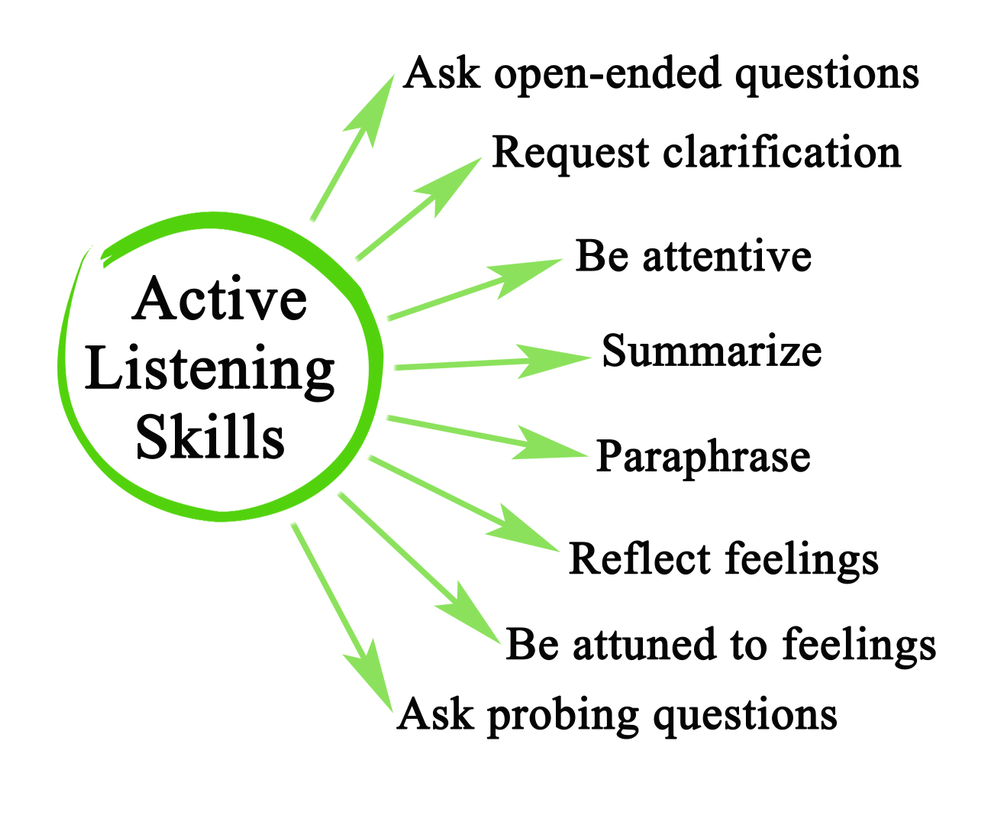
Active Listening: A Cornerstone of Effective Note-taking
Active listening is a crucial skill that enhances note-taking effectiveness. By employing this technique, individuals can comprehend and retain information more accurately.
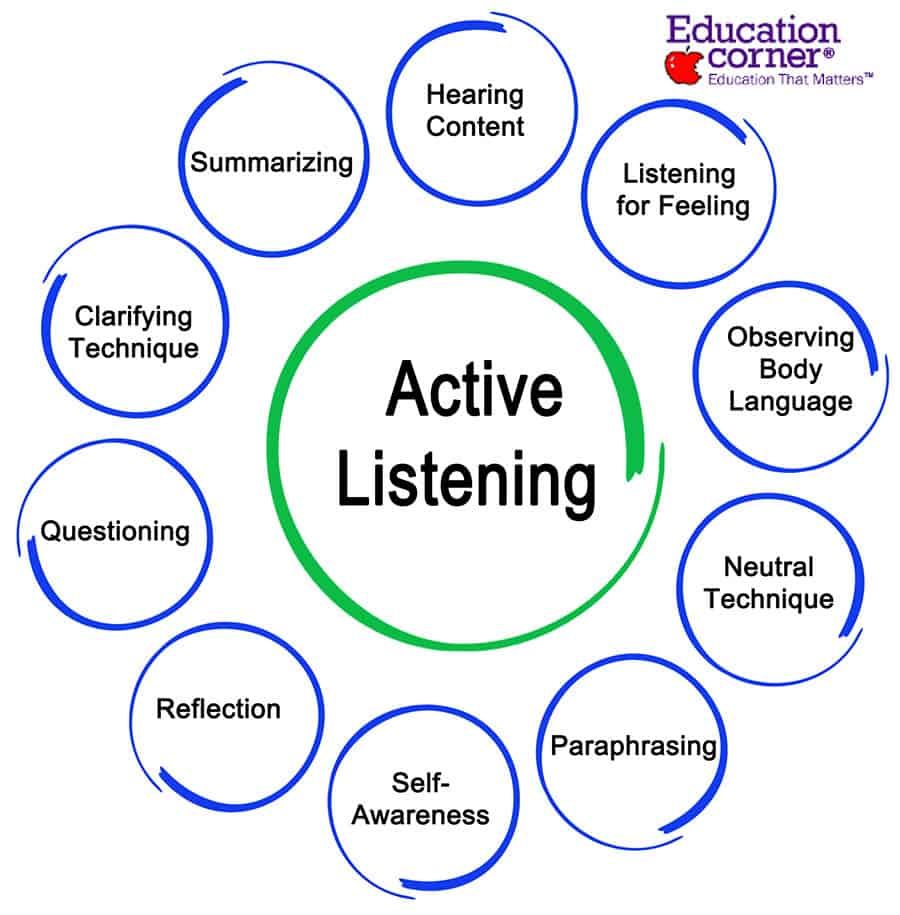
Benefits of Active Listening for Note-taking:

- Improved Comprehension: Active listening forces the listener to focus and engage with the speaker, leading to a deeper understanding of the message. This results in more insightful and complete notes.
- Enhanced Memory: Active listening improves memory retention by forming stronger neural connections in the brain. As information is actively processed and recalled, it becomes easier to store and retrieve later.
- Reduced Distractions: Active listening helps filter out distractions by requiring concentration and focus. This creates a more conducive environment for taking accurate notes without losing track of the main points.
- Enhanced Critical Thinking: Active listening enables the listener to analyze and evaluate information as it is presented. This allows for a more critical understanding of the material, leading to notes that capture both key concepts and insights.
Techniques for Active Listening:
- Nonverbal Cues: Maintain eye contact, nod your head, and use open body language to show attentiveness.
- Verbal Responses: Use verbal cues like “yes,” “I understand,” or asking clarifying questions to indicate engagement.
- Summarization: Periodically summarize key points in your own words to enhance comprehension and retention.
- Questioning: Ask relevant questions to seek clarification or elaborate on specific points.
- Reflection: Reflect on what you’ve heard and connect it to previous knowledge or experiences to deepen understanding.
Integrating Active Listening into Note-taking:
- Take breaks: Step away from the material periodically to summarize and reflect on what you’ve heard.
- Use different note-taking techniques: Employ a combination of methods like outlining, mind mapping, and sketchnoting to cater to different learning styles and enhance comprehension.
- Color code and highlight: Use visual cues like colors and highlights to emphasize important concepts and make notes more visually appealing.
- Review regularly: Revisit your notes frequently to reinforce memory and identify areas for improvement.
Conclusion:
Active listening is an essential aspect of effective note-taking. By employing active listening techniques, individuals can improve their comprehension, enhance their memory, and produce more insightful and useful notes. By fostering a habit of active listening, note-takers can unlock their full potential for academic and professional success.# Active Listening: A Key To Effective Note-taking
Executive Summary
Active listening is a critical skill for effective note-taking. By fully engaging with the speaker and the material, students can improve their comprehension, retention, and recall.
Introduction
Note-taking is an essential skill for students of all ages. It helps us to focus our attention, organize our thoughts, and remember information. However, simply writing down what we hear or see is not enough. To be truly effective, we need to actively listen to the speaker and the material.
What is Active Listening?
Active listening is a communication technique that involves giving full attention to what someone is saying. It requires us to not only hear the words that are being spoken but also to understand the meaning behind them. This means paying attention to both verbal and nonverbal cues, such as tone of voice, body language, and facial expressions.
Benefits of Active Listening for Note-taking
There are many benefits to active listening for note-taking. Some of the most important include:
- Improved comprehension: By fully engaging with the speaker, we can better understand the material being presented. This leads to more comprehensive and accurate notes.
- Enhanced retention and recall: When we actively listen, we are more likely to remember the information that we hear. This is because active listening helps us to create mental connections between the new information and our existing knowledge.
- Increased engagement: Active listening is more engaging than passive listening. This can help us to stay focused and motivated during lectures or presentations.
- Improved communication skills: Active listening can help us to improve our communication skills by teaching us how to listen effectively and respond appropriately.
How to Actively Listen
There are a few simple things that we can do to actively listen. These include:
- Make eye contact: Eye contact shows that we are interested in what the speaker has to say.
- Nod and smile: Nodding and smiling shows that we are engaged and understanding the material.
- Ask questions: Asking questions helps us to clarify our understanding and demonstrate our interest.
- Summarize: Summarizing the material helps us to organize our thoughts and check our understanding.
- Reflect: Reflecting on the material helps us to connect it to our own experiences and make it more meaningful.
Top 5 Subtopics of Active Listening
Making Eye Contact
- Shows interest and engagement
- Encourages the speaker to continue
- Builds rapport
- Helps us to focus on the speaker
- Increases our comprehension
Asking Questions
- Clarifies our understanding
- Demonstrates our interest
- Helps us to identify key points
- Keeps us engaged
- Encourages the speaker to provide more information
Nodding and Smiling
- Shows that we are listening and understanding
- Encourages the speaker to continue
- Builds rapport
- Helps us to focus on the speaker
- Increases our comprehension
Summarizing
- Organizes our thoughts
- Helps us to identify key points
- Checks our understanding
- Makes the material more meaningful
- Improves our recall
Reflecting
- Connects the material to our own experiences
- Makes the material more meaningful
- Improves our understanding
- Increases our retention
- Helps us to apply the material
Conclusion
Active listening is a key to effective note-taking. By fully engaging with the speaker and the material, we can improve our comprehension, retention, and recall. The next time you take notes, be sure to practice active listening. You will be amazed at the difference it makes.
Keyword Tags
- Active listening
- Note-taking
- Comprehension
- Retention
- Recall