Unlocking Academic Success: The Interplay of Physical Fitness and Mental Health
Academic achievement is profoundly influenced by not only cognitive abilities but also physical fitness and mental well-being. This interconnectedness highlights the vital role of addressing both aspects to optimize learning outcomes.
Physical Fitness and Academic Performance

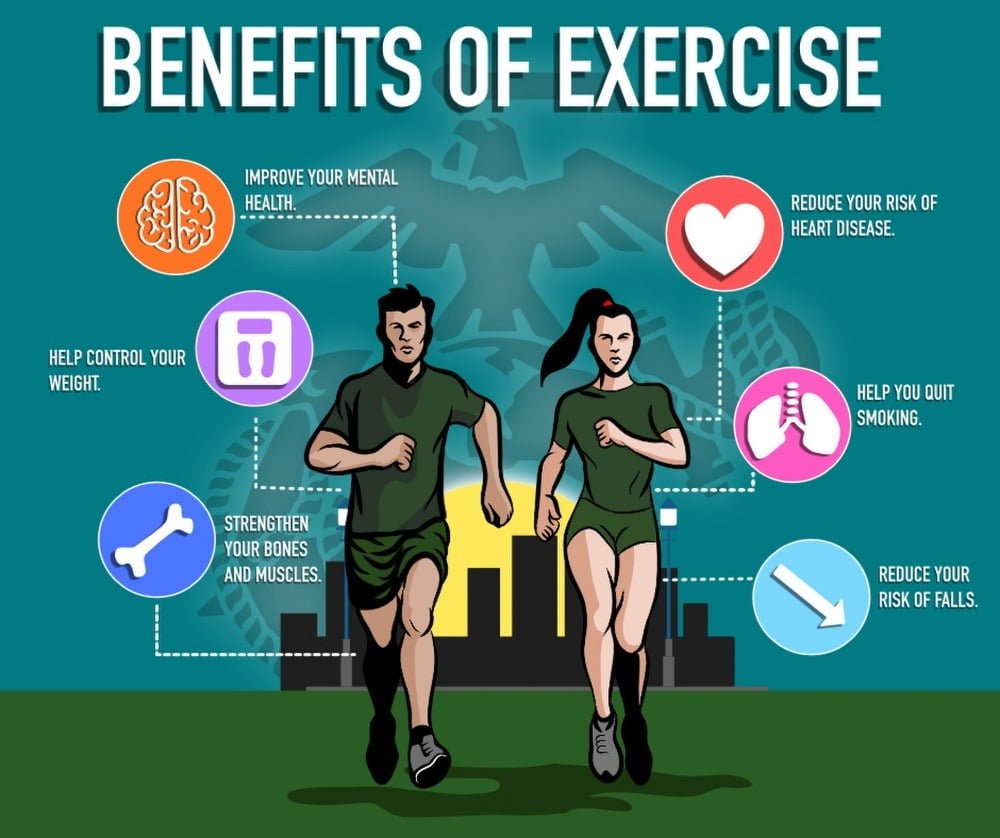
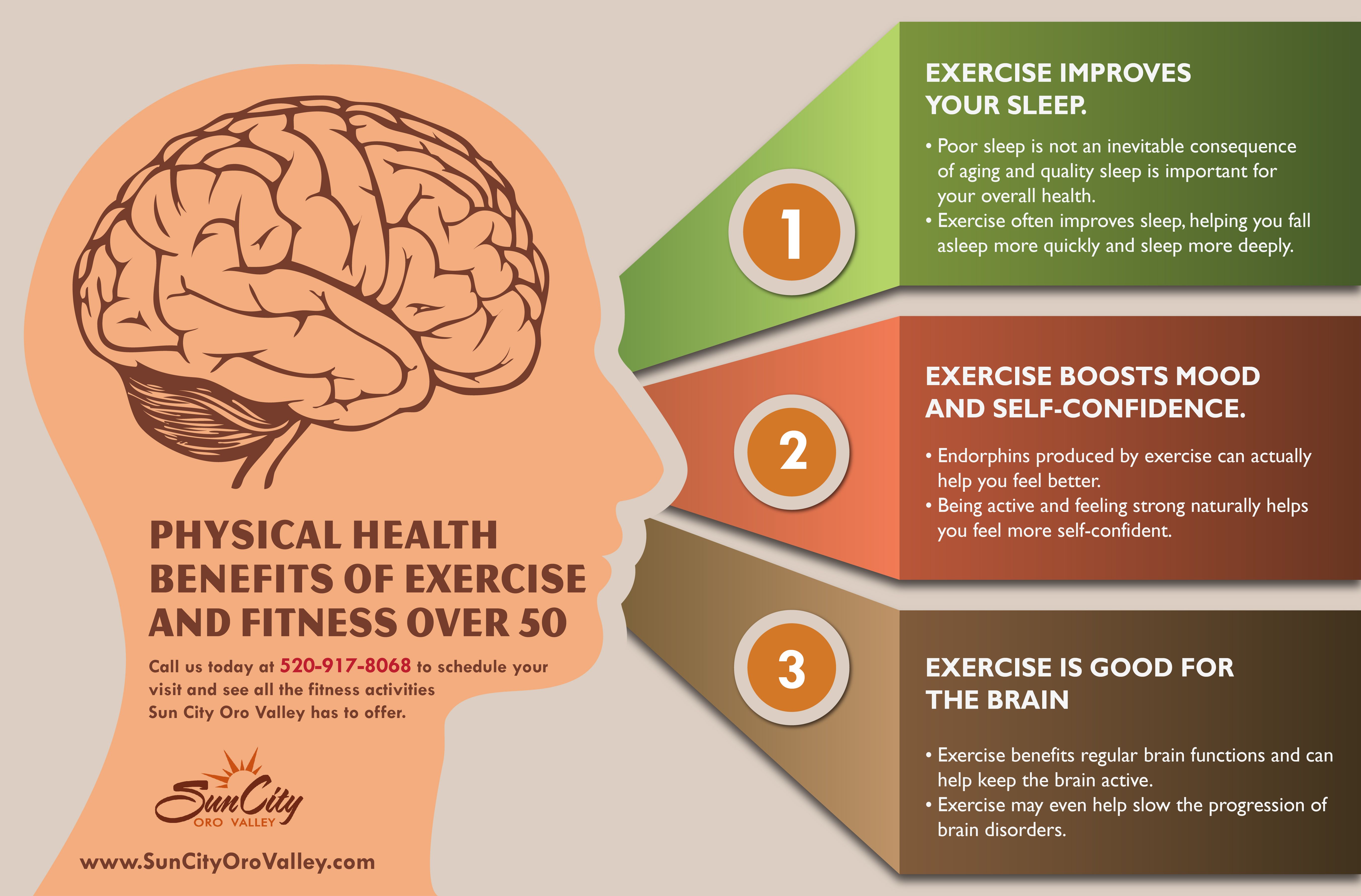
- Improved Cognitive Function: Exercise enhances oxygen flow to the brain, boosting memory, attention, and problem-solving skills.
- Reduced Stress and Anxiety: Physical activity releases endorphins, which have mood-stabilizing and stress-reducing effects.
- Enhanced Sleep Quality: Regular exercise promotes restful sleep, crucial for memory consolidation and cognitive development.
- Increased Self-Confidence and Motivation: Physical fitness fosters a sense of accomplishment and positivity, which can translate into improved academic engagement.
Mental Health and Academic Success
- Improved Emotional Regulation: Mental health practices such as mindfulness and stress management enable students to cope with academic challenges and regulate their emotions.
- Enhanced Focus and Concentration: A healthy mental state allows students to maintain attention and focus on academic tasks.
- Reduced Absenteeism and Tardiness: Students with good mental health are more likely to attend school regularly and be present in class.
- Increased Resilience and Problem-Solving: Good mental health fosters resilience and the ability to persevere through academic setbacks.
The Interplay of Fitness and Mental Health
Physical fitness and mental health are intertwined. Regular exercise can improve mental well-being by reducing stress, anxiety, and depression. Conversely, good mental health promotes motivation, energy, and the ability to engage in physical activity.
Implications for Educators and Policymakers
- Promote Physical Activity: Schools should offer a variety of physical education programs and encourage students to participate in extracurricular sports.
- Foster Mental Health Support: Provide access to mental health professionals and implement programs that teach students coping mechanisms and emotional regulation skills.
- Integrate Fitness and Mental Health: Create opportunities for students to engage in movement breaks during academic tasks and incorporate mindfulness practices into the classroom.
- Address Barriers: Identify and address barriers that prevent students from engaging in physical activity or accessing mental health services.
Conclusion
Unlocking academic success requires a holistic approach that addresses both physical fitness and mental health. By fostering both physical and mental well-being, educators and policymakers can create an environment that supports students’ cognitive development, academic achievement, and overall well-being. When students are physically fit and mentally healthy, they are empowered to reach their full academic potential.## Unlocking Academic Success: The Role of Physical Fitness and Mental Health
Executive Summary
Maintaining physical fitness and mental well-being is crucial for students to thrive in their academic pursuits. Physical exercise boosts cognitive functions, enhances focus, and improves overall health, while good mental health supports emotional regulation, reduces stress, and promotes academic engagement. This article explores the multifaceted interplay between physical fitness, mental health, and academic achievement, providing evidence and practical strategies to help students optimize their academic potential.
Introduction
In the competitive landscape of modern education, students face immense pressure to excel academically. However, academic success extends beyond cognitive abilities and academic skills. It also encompasses the overall well-being of students, encompassing their physical fitness and mental health. This article aims to delve into the significant role that physical fitness and mental health play in academic performance and provide practical tips for students to enhance their physical and mental well-being for optimal academic achievement.
FAQs
How does physical fitness impact academic performance?
- Enhances cognitive functions like memory, attention, and processing speed.
- Improves focus and concentration, reducing distractions.
- Boosts energy levels, reducing fatigue and improving alertness.
Why is mental health important for academic success?
- Supports emotional regulation, reducing anxiety and stress levels.
- Enhances resilience, helping students cope with academic challenges.
- Promotes motivation and engagement, fostering a positive attitude towards learning.
How can students improve their physical fitness and mental health?
- Engage in regular physical activity (aim for at least 30 minutes most days)
- Practice mindfulness techniques like deep breathing and meditation.
- Maintain a healthy diet with sufficient sleep, hydration, and nutrient-rich foods.
Subtopics
Physical Fitness and Cognitive Function
- Memory Enhancement: Exercise increases blood flow to the brain, promoting oxygen and nutrient delivery, which supports memory formation and recall.
- Improved Attention: Physical activity stimulates the release of neurotransmitters like dopamine and norepinephrine, which enhance focus and reduce distractibility.
- Enhanced Processing Speed: Regular exercise helps develop neural connections in the brain, improving information processing speed and cognitive flexibility.
Physical Fitness and Academic Engagement
- Increased Motivation: Exercise releases endorphins, which have mood-boosting effects and enhance motivation for academic tasks.
- Improved Concentration: Physical activity improves sustained attention and reduces fidgeting, enabling students to concentrate for longer periods.
- Enhanced Time Management: Regular exercise promotes better sleep, reduces fatigue, and improves overall energy levels, allowing students to manage their time more effectively.
Mental Health and Academic Achievement
- Reduced Anxiety and Stress: Exercise and mindfulness practices help regulate the stress response system, reducing anxiety levels and improving mental well-being.
- Enhanced Emotional Regulation: Good mental health enables students to manage their emotions effectively, reducing the impact of negative feelings on academic performance.
- Increased Resilience: Students with strong mental health are better equipped to cope with academic challenges and setbacks, maintaining motivation and persistence.
Mental Health and Academic Engagement
- Improved Motivation: Positive mental health fosters a positive attitude towards learning, meningkatkan motivation intrins, dan engagement dengan materi pelajaran.
- Enhanced Focus: Reduced stress and anxiety levels improve cognitive function, allowing students to focus more effectively on academic tasks.
- Increased Attendance: Good mental health supports regular attendance, reducing absences and ensuring consistent academic engagement.
The Interplay of Physical Fitness and Mental Health
- Enhanced Mood: Physical exercise improves mood and reduces symptoms of depression, which can positively impact mental health and academic performance.
- Improved Sleep Quality: Regular exercise promotes restful sleep, which is essential for cognitive function, memory consolidation, and overall well-being.
- Increased Self-Esteem: Participating in physical activities and experiencing academic success can boost self-esteem and confidence, creating a positive cycle that supports both physical and mental health.
Conclusion
The connection between physical fitness, mental health, and academic success is undeniable. Regular physical activity and good mental health not only support students’ overall well-being but also significantly enhance their cognitive abilities, academic engagement, and overall academic achievement. By embracing healthy habits and seeking support when needed, students can optimize their physical and mental well-being and unlock their full academic potential.
Keyword Tags
- Academic Success
- Physical Fitness
- Mental Health
- Cognitive Function
- Academic Engagement