
Understanding Self-Compassion and Procrastination
Self-compassion refers to treating oneself with kindness, understanding, and acceptance, particularly when facing challenges or setbacks. Procrastination, on the other hand, is the tendency to delay or avoid tasks despite knowing their negative consequences.
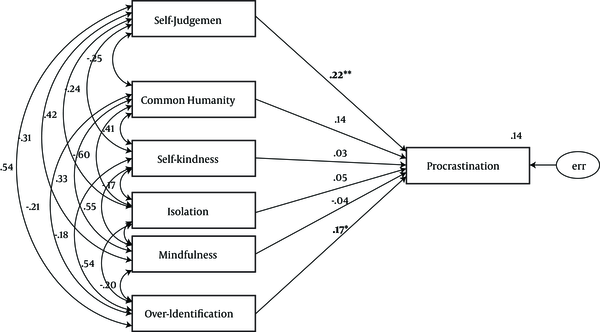
The Impact of Self-Compassion on Procrastination

Research suggests that self-compassion can play a significant role in overcoming procrastination. Here’s why:
1. Reduces Negative Self-Talk:
Self-compassion helps individuals shift their internal dialogue from self-criticism to self-acceptance. Instead of berating themselves for procrastinating, they acknowledge their humanness and recognize that everyone makes mistakes.
2. Fosters Self-Discipline:
Self-compassion increases self-discipline by providing internal motivation. When individuals treat themselves with kindness, they are more likely to engage in tasks that align with their values and goals, regardless of immediate rewards.
3. Reduces Anxiety and Overwhelm:
Procrastination often stems from anxiety and overwhelm. Self-compassion reduces these feelings by providing a sense of comfort and security. It allows individuals to pause, breathe, and approach tasks in a more grounded and resilient manner.
4. Encourages Persistence:
Self-compassion builds resilience and encourages individuals to persist in the face of challenges. When they experience setbacks, they can draw on their self-compassion to recover and continue moving forward.
5. Breaks the Procrastination Cycle:
Self-compassion can help individuals break the negative cycle of procrastination. When they treat themselves with kindness after completing tasks, they reinforce their efforts and reduce the likelihood of engaging in procrastination in the future.
Strategies for Cultivating Self-Compassion
Cultivating self-compassion is essential for overcoming procrastination. Here are some strategies:
- Recognize Imperfection: Accept that you are not perfect and that mistakes are a part of life.
- Practice Self-Kindness: Treat yourself with the same kindness and understanding you would offer to a loved one.
- Mindful Self-Awareness: Pay attention to your thoughts and feelings without judgment. Acknowledge your struggles and acknowledge your strengths.
- Gratitude: Focus on the things you have and appreciate. Express gratitude for yourself and your accomplishments.
- Mindful Self-Inquiry: Ask yourself why you are procrastinating and explore the underlying emotions and beliefs.
Conclusion
Self-compassion is a powerful tool for overcoming procrastination. By cultivating self-acceptance, reducing negative self-talk, and fostering self-discipline, individuals can break the negative cycle of procrastination and move towards achieving their goals. By practicing self-compassion, you can create a more positive and productive relationship with yourself and your responsibilities.## [The Role Of Self-compassion In Overcoming Procrastination]
Executive Summary
Procrastination is a common problem that can lead to missed deadlines, wasted time, and feelings of guilt and frustration. Self-compassion is a practice that can help us to overcome procrastination by teaching us to be more understanding and accepting of ourselves. When we are self-compassionate, we are less likely to judge ourselves harshly when we procrastinate, and we are more likely to take steps to address the underlying causes of our procrastination.
Introduction
Procrastination is a common problem that can affect people of all ages and backgrounds. It is estimated that up to 20% of the population procrastinates on a regular basis. Procrastination can lead to a number of negative consequences, such as missed deadlines, wasted time, and feelings of guilt and frustration.
Self-compassion is a practice that can help us to overcome procrastination. Self-compassion involves being understanding and accepting of ourselves, even when we make mistakes. When we are self-compassionate, we are less likely to judge ourselves harshly when we procrastinate, and we are more likely to take steps to address the underlying causes of our procrastination.
FAQ
- What is self-compassion?
Self-compassion is a practice that involves being understanding and accepting of ourselves, even when we make mistakes. It is about treating ourselves with the same kindness and compassion that we would offer to a friend.
- How can self-compassion help me to overcome procrastination?
Self-compassion can help us to overcome procrastination by teaching us to be more understanding and accepting of ourselves. When we are self-compassionate, we are less likely to judge ourselves harshly when we procrastinate, and we are more likely to take steps to address the underlying causes of our procrastination.
- How can I practice self-compassion?
There are many ways to practice self-compassion. Some helpful tips include:
* Talking to yourself in a kind and supportive way.
* Forgiving yourself when you make mistakes.
* Treating yourself with the same kindness and compassion that you would offer to a friend.
5 Subtopics of Self-Compassion And Overcoming Procrastination
1. Understanding the Causes of Procrastination
- Perfectionism: The belief that you must be perfect in order to succeed.
- Fear of Failure: The fear of failing or not being good enough.
- Low Self-Esteem: The belief that you are not good enough or capable of success.
- Lack of Motivation: The feeling that you do not have the motivation or energy to complete a task.
- Distractions: The presence of distractions that make it difficult to focus on a task.
2. Practicing Self-Compassion
- Self-Awareness: Paying attention to your thoughts and feelings without judgment.
- Self-Acceptance: Accepting yourself for who you are, even with your flaws.
- Self-Kindness: Treating yourself with kindness and compassion.
- Self-Forgiveness: Forgiving yourself for your mistakes.
- Self-Encouragement: Encouraging yourself to take positive steps forward.
3. Challenging Negative Thoughts
- Identify Your Negative Thoughts: Pay attention to the negative thoughts that you have about yourself and your ability to complete tasks.
- Challenge Your Negative Thoughts: Ask yourself if there is any evidence to support your negative thoughts.
- Replace Your Negative Thoughts with Positive Thoughts: Replace your negative thoughts with positive thoughts that are more realistic and supportive.
- Talk to Yourself in a Positive Way: Start talking to yourself in a more positive and encouraging way.
- Set Realistic Goals: Setting realistic goals can help you to feel more confident in your ability to succeed.
4. Taking Action
- Break Down Tasks into Smaller Steps: Break down large tasks into smaller, more manageable steps.
- Set a Timer: Set a timer for a specific amount of time and work on your task until the timer goes off.
- Reward Yourself: Reward yourself for completing tasks, even if they are small.
- Don’t Be Afraid to Ask for Help: If you are struggling to complete a task, don’t be afraid to ask for help from a friend, family member, or colleague.
- Believe in Yourself: Believe in your ability to succeed and don’t give up on yourself.
5. Perseverance
- Don’t Give Up: Don’t give up on yourself if you slip up and procrastinate.
- Learn from Your Mistakes: Learn from your mistakes and use them to improve your strategies for overcoming procrastination.
- Stay Positive: Stay positive and keep moving forward, even when you face challenges.
- Celebrate Your Successes: Celebrate your successes, no matter how small.
- Don’t Be Afraid to Start Over: If you find yourself procrastinating, don’t be afraid to start over.
Conclusion
Procrastination is a common problem, but it can be overcome. Self-compassion is a powerful tool that can help us to be more understanding and accepting of ourselves, and it can also help us to take steps to address the underlying causes of our procrastination. When we practice self-compassion, we are more likely to succeed in overcoming procrastination and achieving our goals.
Keyword Tags
- Procrastination
- Self-compassion
- Self-acceptance
- Self-forgiveness
- Overcoming procrastination