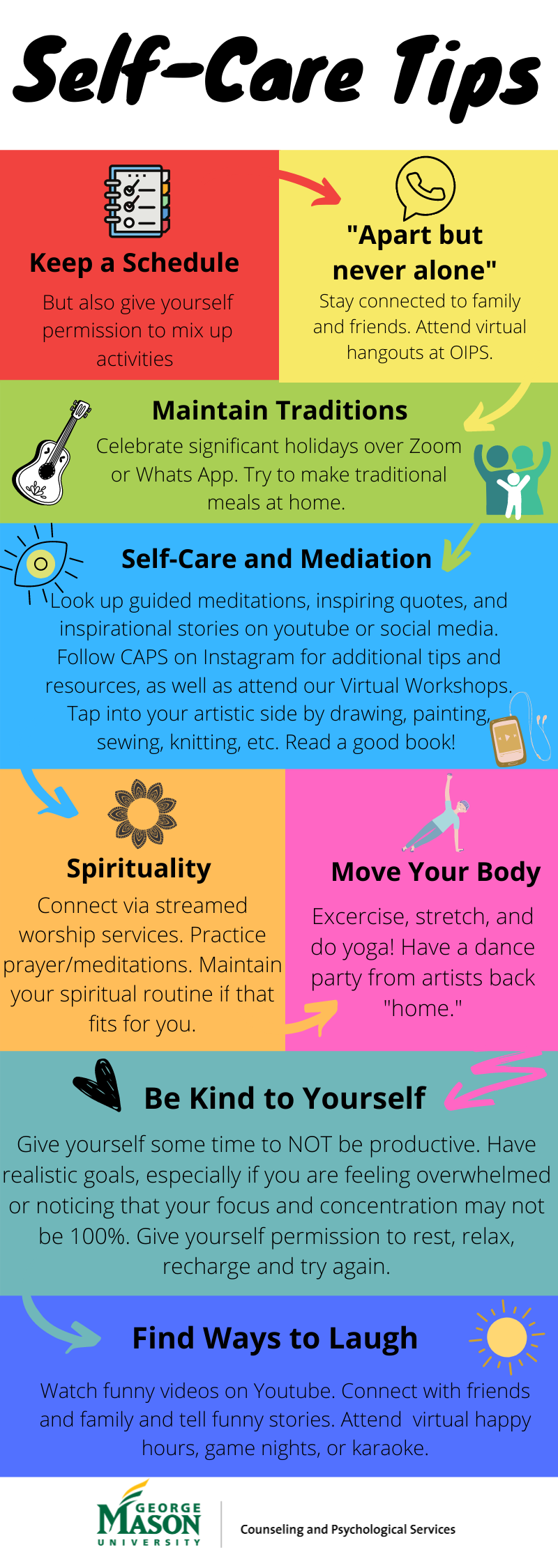
Self-Care Tips for Enhanced Well-being in Student Life
Mental Health:

- Practice mindfulness: Engage in activities that promote present-moment awareness, such as meditation or mindfulness exercises.
- Connect with others: Build and nurture meaningful relationships with friends, family, and support groups.
- Seek professional help: Don’t hesitate to reach out to counselors or mental health professionals if you experience persistent emotional difficulties.
Physical Health:
- Get regular exercise: Aim for at least 30 minutes of moderate-intensity exercise most days of the week.
- Maintain a healthy diet: Nourish your body with nutrient-rich foods and limit processed or sugary items.
- Get enough sleep: Establish a regular sleep schedule and strive for 7-9 hours of quality sleep each night.
Emotional Well-being:
- Identify and prioritize your values: Determine what’s truly important to you and align your actions accordingly.
- Cultivate gratitude: Practice expressing appreciation for the positive aspects of your life, no matter how small.
- Seek experiences that bring joy: Engage in activities that genuinely bring you happiness and fulfillment.
Cognitive Well-being:
- Challenge negative thoughts: Identify and challenge unhelpful or irrational thoughts that can contribute to stress or anxiety.
- Practice positive self-talk: Treat yourself with the same kindness and compassion you would offer to others.
- Set realistic goals: Break down large tasks into smaller, achievable steps to avoid overwhelming yourself.
Practical Self-Care:
- Create a comfortable and organized study space: Ensure your environment is conducive to productivity and well-being.
- Take breaks: Step away from your studies periodically to refresh and recharge your mind.
- Prioritize self-care appointments: Schedule time for activities such as doctor’s visits, haircuts, or social events that enhance your overall well-being.
Additional Tips:
- Set boundaries: Learn to say no to activities or commitments that drain your energy or undermine your well-being.
- Seek support: Don’t isolate yourself; reach out to friends, family, or support groups when you need help.
- Be patient with yourself: It takes time and effort to develop good self-care habits, so don’t get discouraged if you don’t see immediate results.
- Remember that you are not alone: Many students experience challenges in their well-being. Seek support and know that you can overcome these obstacles with the right strategies.## Boosting Well-being: Self-care Tips For Student Life
Executive Summary
This article provides a comprehensive guide to self-care practices tailored specifically for students. It highlights the importance of prioritizing well-being and offers practical tips to effectively manage stress, enhance physical health, maintain emotional balance, and foster positive social connections while navigating the demanding academic environment.
Introduction
Student life presents a unique set of challenges and opportunities that can significantly impact well-being. The pressures of academic workload, social expectations, and financial constraints can take a toll on both physical and mental health. Self-care, therefore, becomes essential for students to thrive and maintain a healthy balance in their lives.
Frequently Asked Questions (FAQs)
Q: Why is self-care important for students?
A: Self-care enables students to manage stress, improve academic performance, enhance physical and mental health, and cultivate resilience in the face of challenges.
Q: What are some common barriers to self-care for students?
A: Time constraints, financial limitations, academic demands, and social pressures can hinder self-care practices among students.
Q: How can students prioritize self-care without neglecting academic responsibilities?
A: Effective time management, setting boundaries, and seeking support from trusted individuals can help students prioritize self-care while balancing their academic commitments.
Top 5 Subtopics for Student Self-Care
Physical Well-being
- Exercise regularly: Exercise releases endorphins, improves mood, and enhances physical fitness.
- Maintain a healthy diet: Nourishing your body with nutritious foods provides energy, improves cognitive function, and supports overall well-being.
- Get enough sleep: Sufficient sleep is crucial for physical and mental restoration, promoting alertness, concentration, and emotional stability.
- Practice relaxation techniques: Engaging in activities such as yoga, meditation, or deep breathing helps reduce stress, improve sleep quality, and foster a sense of calm.
- Seek medical attention when needed: Addressing physical ailments promptly ensures timely treatment and prevents minor issues from escalating into severe health concerns.
Emotional Well-being
- Identify and manage stress: Recognize the sources of stress and develop coping mechanisms such as exercise, mindfulness, or seeking professional help.
- Practice positive self-talk: Replace negative self-criticism with affirmations and encouragement to boost self-esteem and improve emotional health.
- Seek support from loved ones: Maintain close relationships with family, friends, and mentors who provide emotional support, encouragement, and a sense of belonging.
- Engage in activities that bring joy: Pursue hobbies, interests, and activities that uplift your mood and provide a sense of fulfillment.
- Self-reflect and set personal goals: Regularly take time to reflect on your thoughts, feelings, and aspirations to identify areas for growth and improvement.
Mental Well-being
- Prioritize time for breaks and relaxation: Regular intervals of rest help restore mental resources, improve concentration, and prevent burnout.
- Establish a healthy study routine: Create a structured study schedule that balances academic demands with breaks and relaxation time to maintain focus and prevent excessive stress.
- Practice mindfulness and meditation: Mindfulness techniques help anchor the mind in the present moment, reduce stress, and enhance emotional regulation.
- Spend time in nature: Immerse yourself in the beauty of nature to reduce stress, improve mood, and foster a sense of well-being.
- Engage in cognitive stimulation: Challenge your mind through reading, puzzles, or learning new skills to improve cognitive abilities and prevent mental decline.
Social Well-being
- Build a support network: Surround yourself with supportive individuals who provide emotional encouragement, practical assistance, and a sense of community.
- Connect with peers and classmates: Join clubs, societies, or study groups to forge friendships, foster a sense of belonging, and expand your social circle.
- Engage in community activities: Volunteer or participate in community events to make a positive contribution, interact with diverse individuals, and enhance your social well-being.
- Set boundaries to protect your time and energy: Learn to say no to commitments that drain you and prioritize activities that nourish your social connections.
- Practice active listening and empathy: Engage in genuine conversations and show interest in others’ perspectives to foster meaningful social interactions.
Time Management and Well-being
- Create a schedule and stick to it: Establish a structured routine that allocates time for academic tasks, self-care, breaks, and social activities to maintain a healthy balance.
- Prioritize tasks and delegate when possible: Identify the most important tasks and focus on completing them first. Delegate tasks that others can assist with to free up time for self-care.
- Use technology effectively: Leverage productivity tools, apps, and reminders to stay organized and manage your time efficiently.
- Take breaks throughout the day: Regular short breaks help prevent burnout, improve concentration, and boost productivity.
- Evaluate and adjust your schedule regularly: Regularly review your schedule and make adjustments as needed to ensure it aligns with your well-being and academic goals.
Conclusion
Self-care is an essential pillar of student well-being, enabling individuals to navigate the challenges of academic life with resilience and a positive mindset. By prioritizing physical, emotional, mental, social, and time management aspects of self-care, students can cultivate a healthy balance and thrive both inside and outside the classroom. Remember, self-care is not a luxury but a necessity for a fulfilling and successful student experience.
Keyword Tags
- Student Self-Care
- Physical Well-being
- Emotional Well-being
- Mental Well-being
- Social Well-being