From Feedback to Growth: How Targeted Feedback Enhances Student Success
Introduction
Feedback is a crucial component of the learning process, providing students with valuable information to identify areas for improvement and foster growth. Targeted feedback, tailored to individual student needs, is particularly effective in driving academic success. This paper explores the significance of targeted feedback and its impact on student learning outcomes.
Importance of Targeted Feedback
- Enhances Learning: Targeted feedback pinpoints specific areas where students need support, enabling them to focus their efforts on improvement.
- Increases Engagement: When students receive feedback that is relevant to their individual strengths and weaknesses, they become more actively engaged in the learning process.
- Promotes Self-Reflection: Targeted feedback encourages students to self-assess their own work and identify areas for improvement, fostering self-directed learning.
Benefits for Student Success
- Improved Academic Performance: Studies have consistently shown that targeted feedback leads to significant improvements in student test scores and grades.
- Increased Proficiency: Targeted feedback helps students master specific skills and concepts, boosting their overall proficiency.
- Enhanced Motivation: When students receive feedback that is specific and actionable, it increases their motivation to improve and reach their learning goals.
Effective Implementation of Targeted Feedback
- Provide Timely Feedback: Feedback should be provided promptly while the learning material is still fresh in students’ minds.
- Offer Specific and Actionable Feedback: Focus on pinpointing areas for improvement and providing clear suggestions for how students can address them.
- Tailor Feedback to Individual Student Needs: Consider students’ strengths, weaknesses, and learning styles when providing feedback.
- Create a Positive Learning Environment: Provide feedback in a supportive and constructive manner that encourages student growth.
Examples of Targeted Feedback
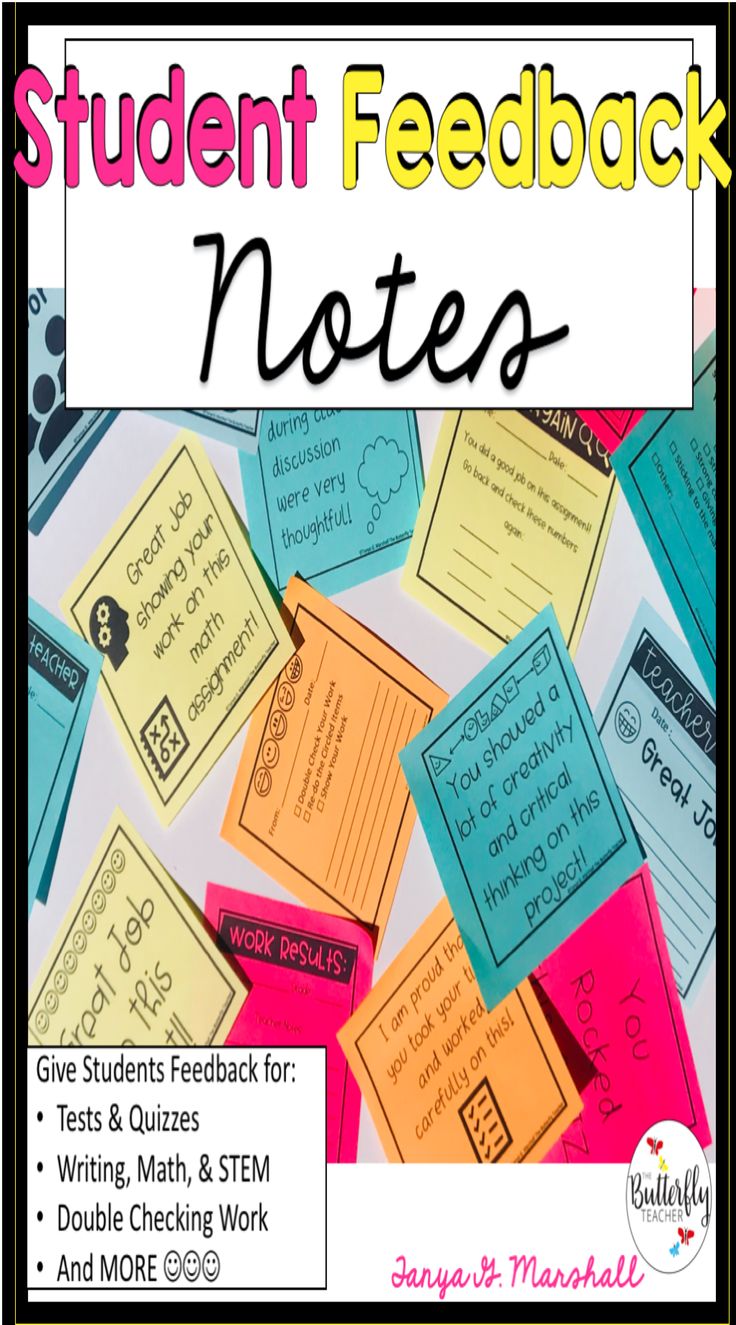
- Math Test: “Jane, you demonstrated a strong understanding of algebra but need to work on your geometry skills. I recommend practicing solving geometry problems using the provided online resources.”
- Science Report: “David, your report was well-written and well-organized. However, you could benefit from including more specific examples to support your claims.”
- Writing Assignment: “Emily, your essay was well-developed, but your conclusion could be strengthened by adding a more thought-provoking closing sentence.”
Conclusion
Targeted feedback is an indispensable tool for driving student success. By pinpointing areas for improvement, increasing engagement, and promoting self-reflection, targeted feedback empowers students to maximize their learning potential. Through effective implementation and a positive learning environment, educators can harness the power of targeted feedback to foster academic growth and empower students with the skills and knowledge necessary for ongoing success.## From Feedback to Growth: How Targeted Feedback In its Drives Student Success
Executive Summary
Feedback is a crucial component of the learning process, and its significance in boosting student achievement can’t be understated. When structured effectively, feedback empowers students by highlighting their strengths, pinpointing areas for improvement, and empowering them to take ownership of their learning journey. By ensuring feedback is targeted, timely, and tailored to individual student needs, educators can foster a growth mindset and cultivate a classroom atmosphere that encourages academic excellence.
Introduction
Feedback has long been recognized as a fundamental element in the learning and development process. Its role in driving student success has been widely acknowledged, and research consistently underscores its efficacy in enhancing academic achievement. Specifically, targeted feedback, meticulously designed to align with each student’s unique learning needs and goals, has proven to be exceptionally potent in propelling students towards success.
FAQs
- What exactly is targeted feedback and how does it differ from traditional feedback?
- Targeted feedback is feedback that is specifically tailored to the individual needs of a student, taking into account their strengths, weaknesses, and learning style. It focuses on providing specific, actionable steps that the student can take to improve their work. Traditional feedback, on the other hand, is often more general and may not be as relevant to the individual student’s needs.
- In what ways does targeted feedback contribute to student achievement?
- Targeted feedback can improve student achievement in several ways. It can help students to identify their strengths and weaknesses, set goals, develop effective learning strategies, and improve their motivation. It can also help to create a positive learning environment in which students feel supported and challenged.
- How can teachers provide targeted feedback to students?
- There are a number of ways that teachers can provide targeted feedback to students. They can use formative assessment data to identify students’ strengths and weaknesses, use rubrics to provide specific feedback on student work, and engage in one-on-one conferences with students to discuss their progress.
Top 5 Subtopics
1. Identifying Student Learning Needs
- Formative assessment: Conduct regular assessments to gauge student understanding and pinpoint areas needing improvement.
- Student self-reflection: Encourage students to evaluate their own work and identify areas where they can grow.
- Student-teacher conferences: Engage in one-on-one discussions to diagnose learning gaps and establish tailored improvement plans.
- Collaboration with parents: Engage parents in the feedback process to foster a supportive learning environment.
- Data analysis: Employ data-driven insights to monitor student progress and adjust feedback strategies accordingly.
2. Designing Effective Feedback
- Specificity: Provide clear, concise feedback that pinpoints specific areas for improvement.
- Actionable: Offer practical suggestions and strategies that students can readily implement.
- Timeliness: Deliver feedback promptly while the learning is still fresh in students’ minds.
- Relevance: Tailor feedback to individual student needs and learning goals.
- Positive tone: Frame feedback in a constructive and encouraging manner to foster a growth mindset.
3. Communicating Feedback Effectively
- Face-to-face conversations: Engage in personalized discussions to clarify feedback and address student queries.
- Written comments: Provide detailed written feedback on student work, highlighting strengths and areas for improvement.
- Digital platforms: Utilize online tools and platforms to provide feedback in a timely and interactive manner.
- Peer feedback: Encourage students to provide feedback to their peers, fostering a collaborative learning environment.
- Student self-assessment: Guide students in reflecting on their own work and identifying areas for growth.
4. Fostering a Growth Mindset
- Celebrate effort and progress: Recognize and reward students for their efforts, not just their achievements.
- Encourage risk-taking: Create a classroom environment where students feel comfortable making mistakes and learning from them.
- Set challenging goals: Motivate students to strive for excellence by setting challenging but achievable goals.
- Provide constructive criticism: Offer feedback that is critical but constructive, focusing on identifying areas for improvement.
- Empower student choice: Allow students to have a say in their learning process and the type of feedback they receive.
5. Monitoring and Adjusting Feedback
- Student feedback: Regularly seek student input on the effectiveness of the feedback they are receiving.
- Data analysis: Track student progress and adjust feedback strategies based on data insights.
- Collaboration with colleagues: Engage in peer review and share best practices to continually enhance feedback strategies.
- Professional development: Engage in ongoing professional development to stay abreast of best practices in providing targeted feedback.
- Embrace technology: Explore and utilize technological tools to enhance the delivery and effectiveness of feedback.
Conclusion
Targeted feedback is a powerful tool that can help educators unlock student potential and drive academic achievement. By implementing the strategies outlined in this article, educators can create a learning environment that is supportive, challenging, and conducive to growth. As a result, students will be empowered to take ownership of their learning, set challenging goals, and achieve their full academic potential.
Keyword Tags
- Targeted Feedback
- Student Success
- Formative Assessment
- Growth Mindset
- Effective Communication