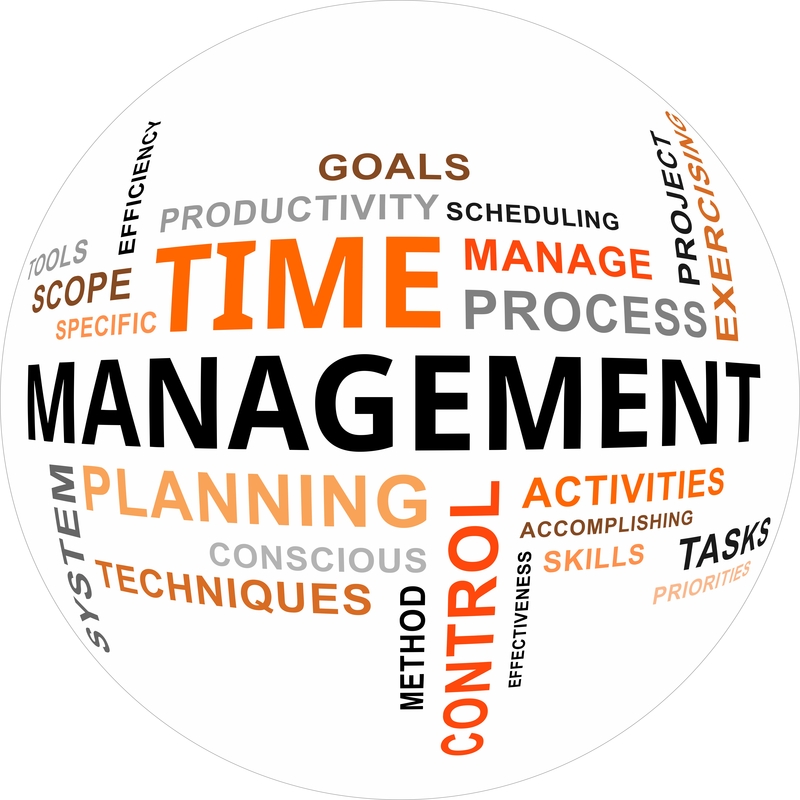
1. Prioritize Tasks:
- Use the Eisenhower Matrix to categorize tasks based on urgency and importance.
- Focus on completing high-priority tasks first.
2. Break Down Large Tasks:
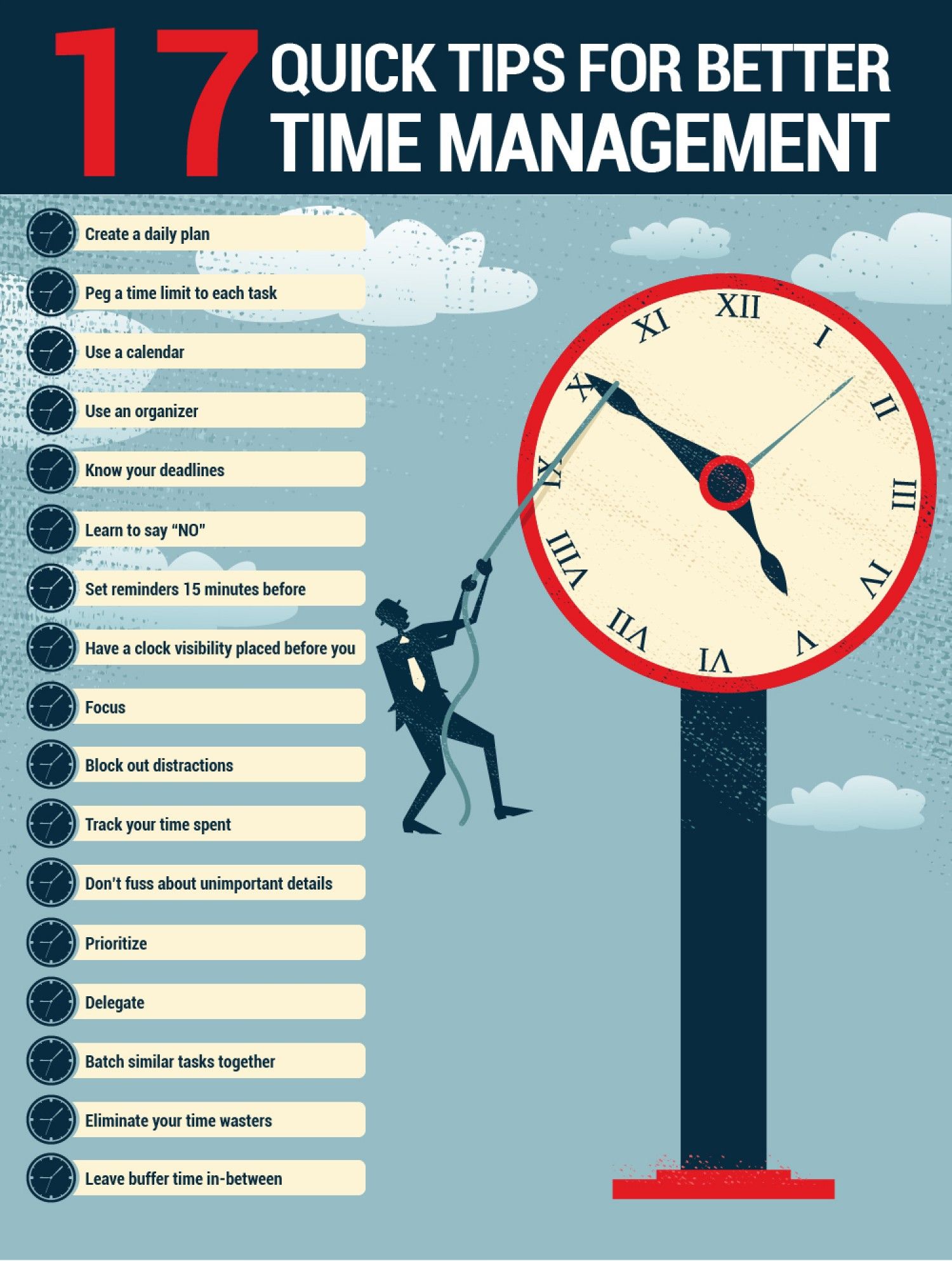
- Divide overwhelming tasks into smaller, manageable chunks.
- This makes tasks less daunting and allows for gradual progress.
3. Use a Planner or Calendar:
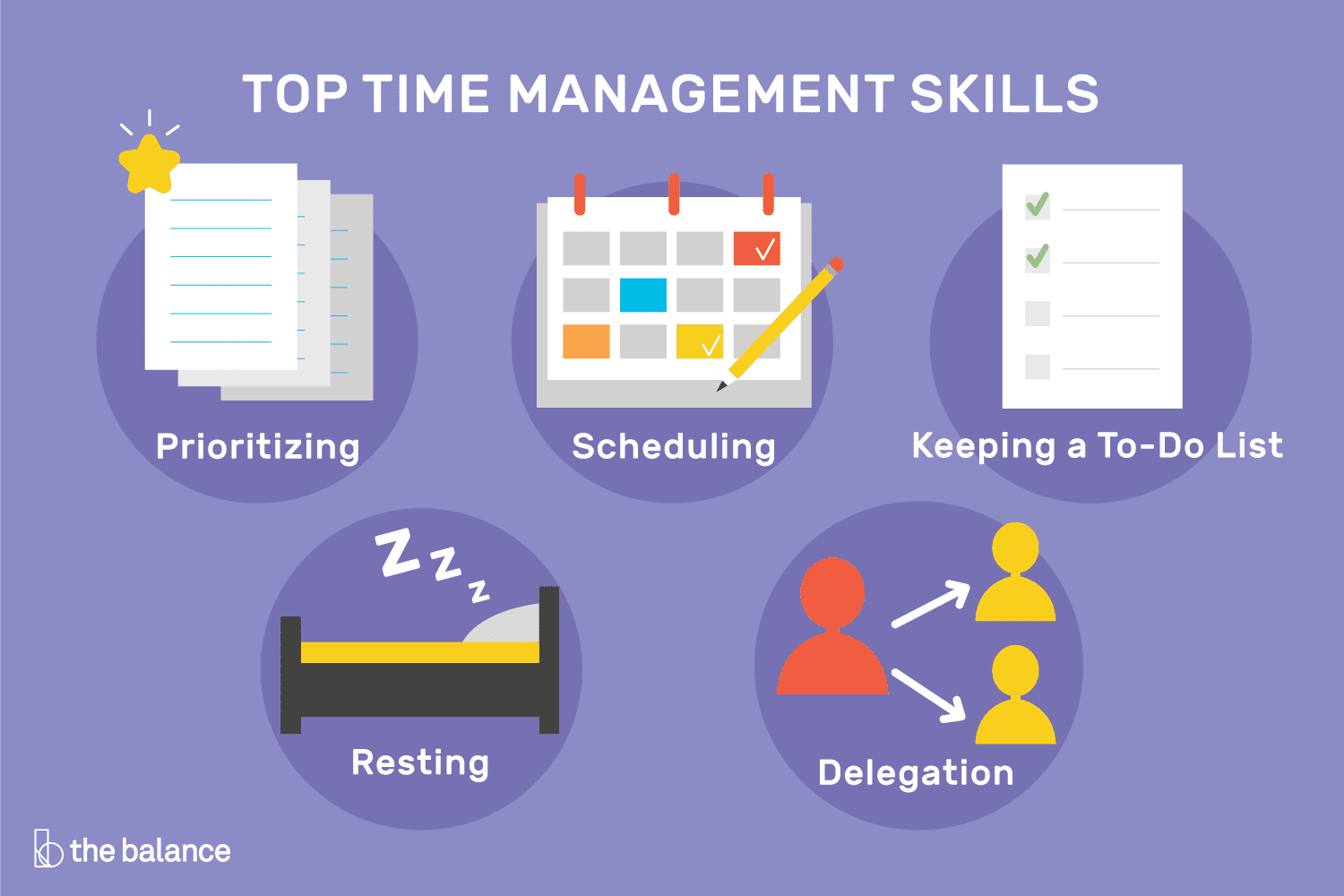
- Schedule appointments, classes, and assignments to visualize your time commitments.
- Color-code or categorize entries to enhance organization.
4. Set Realistic Deadlines:
- Avoid setting unrealistic deadlines that lead to stress and procrastination.
- Allow for buffer time for unexpected delays or revisions.
5. Set Aside Dedicated Study Time:
- Establish specific times for studying and stick to them.
- Create a designated study area free from distractions.
6. Take Breaks:
- Regular breaks are essential for maintaining focus and preventing burnout.
- Use breaks to relax, clear your head, or engage in non-academic activities.
7. Minimize Distractions:
- Identify and eliminate distractions such as social media, noisy environments, or cluttered study areas.
- Use noise-canceling headphones or work in a quiet library.
8. Use Technology wisely:
- Utilize apps and tools for task management, reminders, and note-taking.
- However, be mindful of technology’s potential for distraction.
9. Delegate or Ask for Help:
- If possible, delegate tasks to others or ask for assistance when needed.
- This can free up your time for more important responsibilities.
10. Reward Yourself:
- Acknowledge and reward your efforts to stay on track.
- Small rewards can provide motivation and reinforce positive behavior.
Additional Tips:
- Get enough sleep: Aim for 7-9 hours of quality sleep each night.
- Exercise regularly: Exercise releases endorphins that improve mood and focus.
- Eat healthily: Nourish your body with healthy foods to optimize mental performance.
- Practice self-care: Engage in activities that recharge and rejuvenate you, such as meditation, spending time in nature, or pursuing hobbies.
- Seek support: If time management becomes overwhelming, don’t hesitate to reach out to friends, family, or academic advisors for support.## Effective Time Management Techniques For Students
Executive Summary
Effective time management is a critical skill for students to master in order to succeed in their academic pursuits. By implementing these techniques, students can improve their productivity, reduce stress, and achieve their goals more efficiently.
Introduction
Time is a precious commodity for students. With the demands of classes, assignments, and extracurricular activities, it can be challenging to find the time to study, socialize, and relax. However, by implementing effective time management techniques, students can make the most of their time and achieve a better balance in their lives.
FAQs
Why is time management important for students?
- Time management allows students to prioritize tasks, reduce stress, improve academic performance, and make the most of their time.
How can I start improving my time management skills?
- Start by setting realistic goals, creating a schedule, and eliminating distractions.
What are some common time management challenges that students face?
- Common challenges include procrastination, multitasking, and poor planning.
Top 5 Subtopics in Effective Time Management
1. Setting Realistic Goals
Setting realistic goals is crucial for effective time management. When goals are too ambitious, it can lead to discouragement and procrastination. On the other hand, goals that are too easy can result in a lack of motivation. The key is to set goals that are challenging but achievable.
- Break down large goals into smaller steps.
- Set deadlines to create a sense of urgency.
- Prioritize goals based on importance and urgency.
- Evaluate and adjust goals regularly.
- Reward yourself for achieving goals.
2. Creating a Schedule
A schedule provides a framework for the day and helps students stay on track. It is important to create a schedule that is realistic and flexible, and to stick to it as much as possible.
- Allocate specific time slots for different tasks.
- Schedule in breaks and relaxation time.
- Use a planner or calendar to keep track of appointments and deadlines.
- Be flexible and adjust the schedule as needed.
- Avoid over scheduling.
3. Eliminating Distractions
Distractions are a major obstacle to effective time management. Identifying and eliminating distractions can significantly improve productivity.
- Identify common distractions and develop strategies to avoid them.
- Create a dedicated study or work space that is free of distractions.
- Use noise-canceling headphones or study in a quiet environment.
- Turn off notifications on electronic devices.
- Take breaks to prevent burnout and maintain focus.
4. Pomodoro Technique
The Pomodoro Technique is a time management method that involves alternating between focused work sessions and short breaks. This technique helps to improve focus, reduce burnout, and increase productivity.
- Work for 25 minutes without distractions.
- Take a 5-minute break.
- After four cycles, take a longer break of 20-30 minutes.
- Repeat the cycle throughout the day.
- Adjust the time intervals as needed.
5. Delegation and Time Blocking
Delegation and time blocking can help students save time and improve efficiency. Delegation involves assigning tasks to others, while time blocking involves setting aside specific time slots for different tasks.
- Identify tasks that can be delegated to others.
- Communicate expectations clearly and provide support.
- Use time blocking to allocate specific time slots for important tasks.
- Combine similar tasks to minimize distractions and improve efficiency.
- Protect time blocks from interruptions.
Conclusion
Effective time management is a valuable skill that students can use to improve their productivity, reduce stress, and achieve their academic goals. By implementing the techniques outlined in this article, students can make the most of their time and succeed in their academic pursuits.
Keywords: Time Management, Students, Productivity, Goal Setting, Pomodoro Technique