Mindfulness: A Powerful Tool for Managing Stress and Preventing Burnout
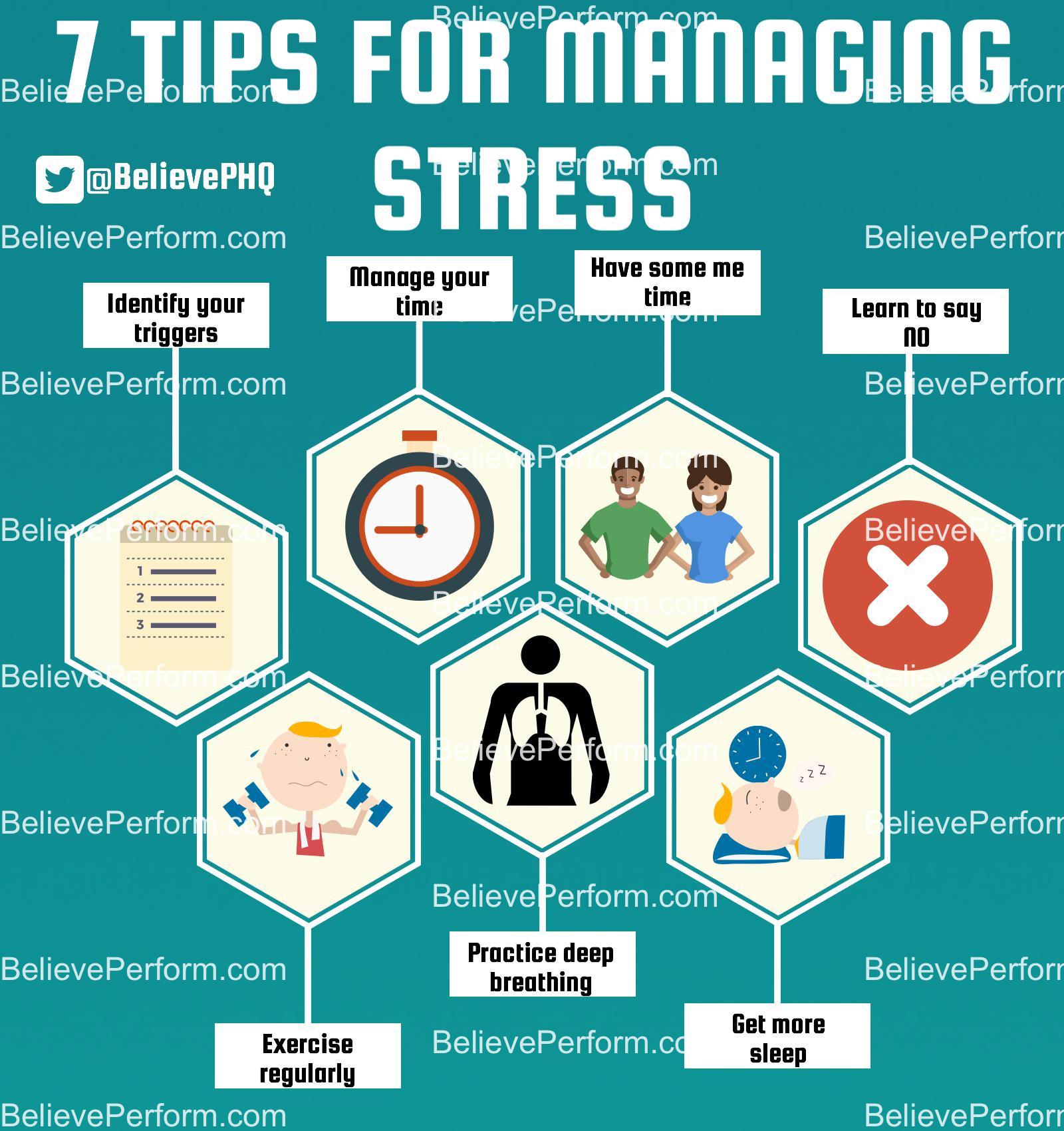
In today’s fast-paced, demanding world, stress and burnout have become all too common. The constant pressure to perform, meet deadlines, and maintain personal and professional commitments can take a toll on our physical, mental, and emotional well-being. Mindfulness has emerged as a powerful tool for managing stress and preventing burnout, offering a path to greater resilience, self-awareness, and inner peace.

What is Mindfulness?
Mindfulness is the practice of intentionally directing one’s attention to the present moment without judgment. It involves cultivating awareness of thoughts, feelings, and bodily sensations without getting caught up in them or trying to change them. By practicing mindfulness, we can develop a deeper understanding of ourselves, our reactions to stress, and the nature of our experiences.
Benefits of Mindfulness for Stress Management
- Reduces Stress Hormones: Mindfulness techniques have been shown to decrease levels of stress hormones such as cortisol, which is released in response to stress.
- Improves Emotional Regulation: Mindfulness helps us to develop emotional resilience by teaching us to observe our feelings without becoming overwhelmed by them. This allows us to respond to stressful situations more calmly and rationally.
- Enhances Cognitive Function: Mindfulness exercises have been linked to improved attention, focus, and executive function. This can help us to stay clear-headed and make better decisions, even under pressure.
- Promotes Acceptance: Mindfulness cultivates a sense of acceptance towards our experiences, both positive and negative. This can reduce feelings of resistance and frustration, which are common sources of stress.
- Increases Self-Awareness: Mindfulness allows us to become more aware of our thoughts, feelings, and behaviors, which can help us to identify patterns and triggers that contribute to stress.
How to Practice Mindfulness
- Meditation: Regular meditation practice is a foundational aspect of mindfulness. Focus on the present moment by paying attention to your breath, body sensations, or thoughts without judgment.
- Mindful Breathing: Pay attention to your breath as you inhale and exhale. Notice the rise and fall of your chest, the movement of air through your nostrils, or the expansion and contraction of your abdomen.
- Body Scan: Bring your attention to different parts of your body, starting from the toes and moving up to the head. Notice any sensations, such as warmth, tingling, or tightness.
- Mindful Walking: While walking, focus on the sensations of your feet on the ground, the movement of your body, and the surrounding environment.
- Gratitude Practice: Express gratitude for the present moment or for people and experiences in your life. This helps to cultivate a sense of positivity and reduce stress.
Conclusion
Mindfulness is a powerful and accessible tool for managing stress and preventing burnout. By intentionally directing our attention to the present moment, we can cultivate greater self-awareness, reduce stress hormones, improve emotional regulation, and enhance cognitive function. Incorporating mindfulness practices into our daily routines can empower us to navigate the challenges of modern life with greater resilience, inner peace, and well-being.## Mindfulness: A Powerful Tool For Managing Stress And Preventing Burnout
Executive Summary
Mindfulness is a powerful tool for managing stress and preventing burnout. It can help you to focus on the present moment, let go of negative thoughts, and cultivate a sense of calm and well-being.
Introduction
In today’s fast-paced world, it’s easy to feel overwhelmed by stress and anxiety. Work, relationships, and other responsibilities can take a toll on our physical and mental health. Mindfulness is a technique that can help us to cope with stress and improve our overall well-being.
FAQs
What is mindfulness?
Mindfulness is the practice of paying attention to the present moment without judgment. It involves observing your thoughts, feelings, and sensations without getting caught up in them.
How can mindfulness help me to manage stress?
Mindfulness can help you to manage stress by reducing your reactivity to stressful situations. When you’re mindful, you’re more likely to respond to stress calmly and rationally.
How can mindfulness help me to prevent burnout?
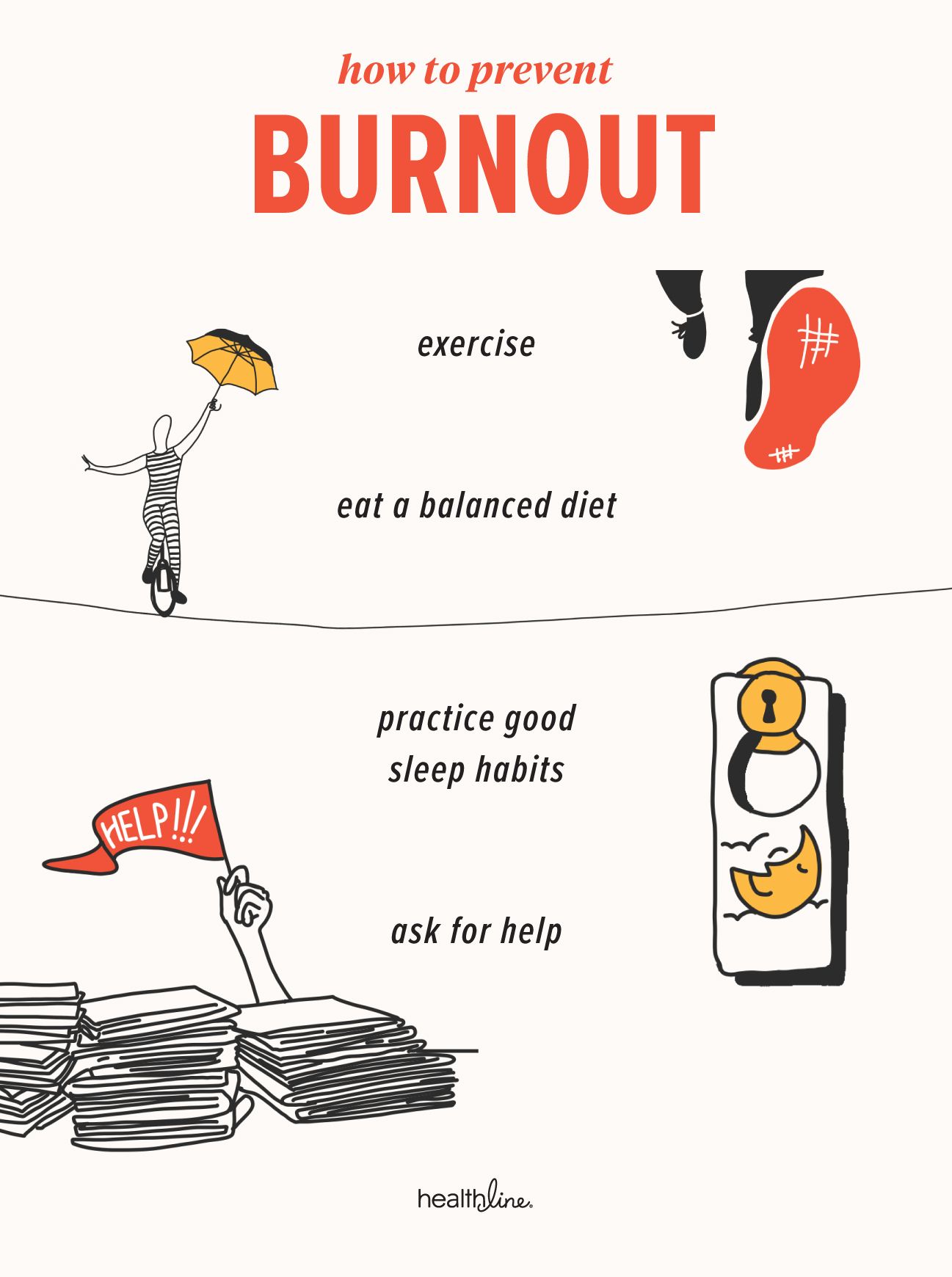
Mindfulness can help to prevent burnout by teaching you to recognize the signs of stress and to take steps to care for yourself. When you’re mindful, you’re more likely to take breaks, get enough sleep, and engage in activities that nourish your mind and body.
Benefits of Mindfulness for Stress Management and Burnout Prevention
Increased Focus and Concentration
- Enhances attention span and reduces distractions
- Improves memory and cognitive functioning
- Sharpens decision-making abilities
Reduced Emotional Reactivity
- Regulates emotions and prevents emotional outbursts
- Fosters a sense of calm and equanimity
- Promotes resilience and adaptability to stressors
Improved Sleep Quality
- Reduces stress-induced insomnia
- Calms the mind and promotes relaxation
- Enhances the duration and quality of sleep
Enhanced Self-Awareness
- Raises consciousness about thoughts, feelings, and sensations
- Promotes self-reflection and understanding
- Empowers individuals to make informed choices
Increased Compassion and Empathy
- Cultivates a sense of interconnectedness
- Reduces prejudice and biases
- Promotes understanding and acceptance towards others
Conclusion
Mindfulness is a powerful tool that can help us to manage stress, prevent burnout, and live healthier, more fulfilling lives. If you’re feeling overwhelmed by stress, mindfulness can help to ground you in the present moment and bring a sense of calm and clarity to your life.
Keywords
- Mindfulness
- Stress Management
- Burnout Prevention
- Emotional Regulation
- Well-Being