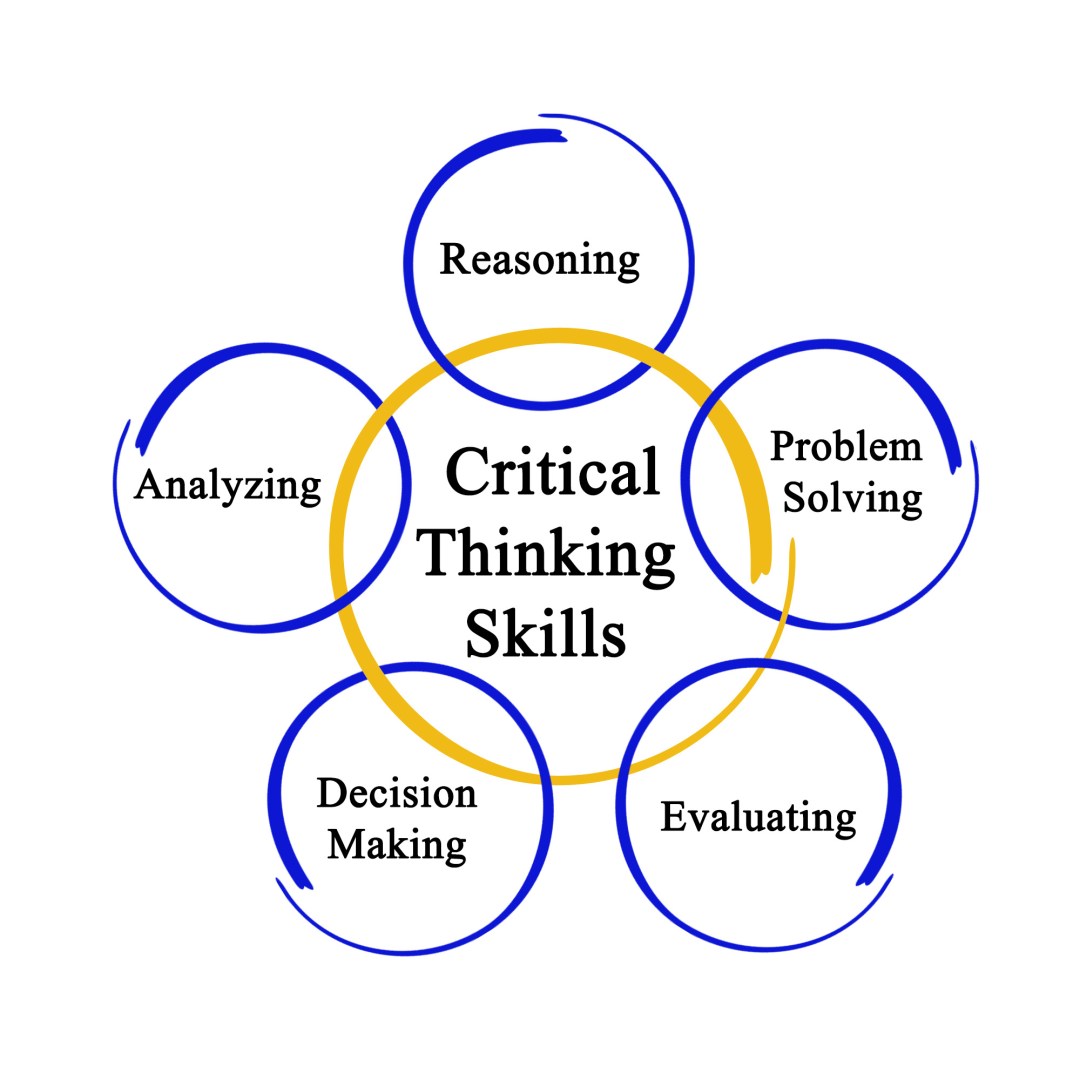
Enhancing Critical Thinking Skills Through Classroom Discussions
Introduction

Critical thinking is a vital skill for students to develop, empowering them to analyze information, evaluate perspectives, and make informed decisions. Classroom discussions provide a valuable platform to foster and enhance critical thinking.

Benefits of Classroom Discussions for Critical Thinking
- Encourages active engagement: Discussions require students to listen attentively, share their ideas, and respond to others.
- Promotes diverse perspectives: Students encounter different viewpoints, broadening their understanding and challenging their assumptions.
- Develops reasoning skills: Discussions demand that students justify their claims, support arguments with evidence, and solve problems collaboratively.
- Fosters metacognition: Students reflect on their thinking processes, considering the validity of their ideas and the effectiveness of their communication.
Strategies for Effective Discussions
1. Establish Ground Rules:
- Set clear expectations for respectful and constructive dialogue.
- Encourage students to ask questions and challenge others in a non-confrontational manner.
- Emphasize active listening and providing feedback.
2. Use Open-Ended Questions:
- Pose questions that encourage students to think critically, consider multiple perspectives, and provide supporting evidence.
- Avoid yes/no or factual questions that limit student responses.
3. Facilitate Student Participation:
- Provide opportunities for all students to share their ideas, even if they differ from the majority.
- Use techniques like “think-pair-share” or “popcorn” discussions to promote equal participation.
4. Encourage Student-Led Discussions:
- Allow students to take ownership of the discussion by moderating, asking questions, and summarizing key points.
- This promotes self-reflection and accountability.
5. Provide Feedback and Modeling:
- Offer constructive feedback on student contributions, highlighting their strengths and areas for improvement.
- Model critical thinking skills by demonstrating how to analyze information, evaluate arguments, and synthesize ideas effectively.
Assessment and Evaluation
- Student Self-Assessment: Have students reflect on their participation and identify areas where they can enhance their critical thinking.
- Peer Feedback: Encourage students to provide constructive feedback to one another, fostering a culture of peer evaluation and learning.
- Classroom Observations: Observe student discussions to assess their ability to engage in critical thinking, listen actively, and collaborate effectively.
Conclusion
Classroom discussions are a powerful tool for fostering critical thinking skills. By establishing a supportive environment, using effective strategies, and providing ongoing feedback, educators can empower students to become critical thinkers capable of navigating the complexities of the modern world.## Enhancing Critical Thinking Skills Through Classroom Discussions
Executive Summary
This article explores the multifaceted benefits of classroom discussions in fostering critical thinking skills among students. It examines the key elements of effective discussions and provides practical strategies for educators to facilitate engaging and thought-provoking classroom discourse.
Introduction
Classroom discussions play a pivotal role in shaping students’ cognitive development and preparing them for a world that demands critical thinkers. By engaging in discussions, students actively process information, challenge assumptions, and refine their understanding of complex concepts. This article delves into the transformative power of classroom discussions, highlighting the essential subtopics that contribute to the development of critical thinking skills.
Frequently Asked Questions (FAQs)
What are the benefits of classroom discussions for critical thinking?
Discussions encourage students to:
- Analyze and evaluate multiple perspectives.
- Question assumptions and beliefs.
- Formulate and articulate logical arguments.
How can teachers facilitate effective classroom discussions?
Teachers can foster effective discussions by:
- Establishing clear discussion guidelines.
- Providing open-ended questions and prompts.
- Encouraging active listening and respectful dialogue.
What are some challenges of facilitating classroom discussions?
Challenges include:
- Student reluctance to participate.
- Dominance of certain students.
- Lack of preparation or interest among students.
Subtopics for Enhancing Critical Thinking Skills Through Classroom Discussions
1. Establishing Clear Discussion Goals
- Define the purpose of the discussion: Explicitly state the learning objectives and critical thinking skills to be developed.
- Set expectations for student participation: Outline the roles of students, their responsibilities, and the desired level of engagement.
- Provide a structured framework: Establish guidelines for discussion formats, such as small-group debates, Socratic circles, or fishbowl discussions.
2. Encouraging Active Listening
- Foster a respectful classroom environment: Create a safe space where students feel comfortable expressing their views and listening to others.
- Use active listening techniques: Model effective listening skills, such as paraphrasing, asking clarifying questions, and maintaining eye contact.
- Encourage students to summarize and reflect: Ask students to summarize key points and reflect on their understanding throughout the discussion.
3. Promoting Questioning and Analysis
- Ask open-ended questions: Pose questions that invite multiple perspectives and challenge students’ assumptions.
- Encourage students to question: Create a culture where students feel empowered to ask questions and challenge the ideas presented.
- Teach students how to evaluate sources: Guide students in analyzing the credibility, relevance, and bias of sources to support their arguments.
4. Cultivating Argumentation Skills
- Model effective argumentation: Demonstrate how to construct logical arguments, provide evidence, and counter opposing views.
- Provide opportunities for students to practice: Engage students in debates, mock trials, or presentations where they must develop and defend their positions.
- Encourage respectful discourse: Emphasize the importance of civility, empathy, and open-mindedness during discussions.
5. Facilitating Critical Reflection
- Encourage students to evaluate their own thinking: Provide opportunities for students to reflect on their contributions to the discussion and identify areas for improvement.
- Provide constructive feedback: Offer specific and actionable feedback on students’ critical thinking skills, both individually and as a group.
- Create a culture of continuous improvement: Foster a mindset of continuous learning and encourage students to seek feedback and engage in self-reflection.
Conclusion
Classroom discussions offer an invaluable platform for developing critical thinking skills among students. By embracing the subtopics outlined in this article, educators can create engaging and thought-provoking learning environments that challenge students’ assumptions, refine their understanding of complex concepts, and prepare them for success in a rapidly changing world. By fostering active listening, promoting questioning and analysis, cultivating argumentation skills, and facilitating critical reflection, teachers empower their students to become discerning thinkers and effective communicators, equipping them with the skills necessary to navigate the challenges and opportunities of the 21st century.
Keyword Tags
- Critical Thinking Skills
- Classroom Discussions
- Active Listening
- Questioning and Analysis
- Argumentation Skills