The Pomodoro Technique: A Revolutionary Study Tool
The Pomodoro Technique is a time management strategy that harnesses the power of focused intervals and scheduled breaks to enhance studying effectiveness. This technique, pioneered by Francesco Cirillo, has gained immense popularity among students for its simplicity and remarkable results.
Core Principles:
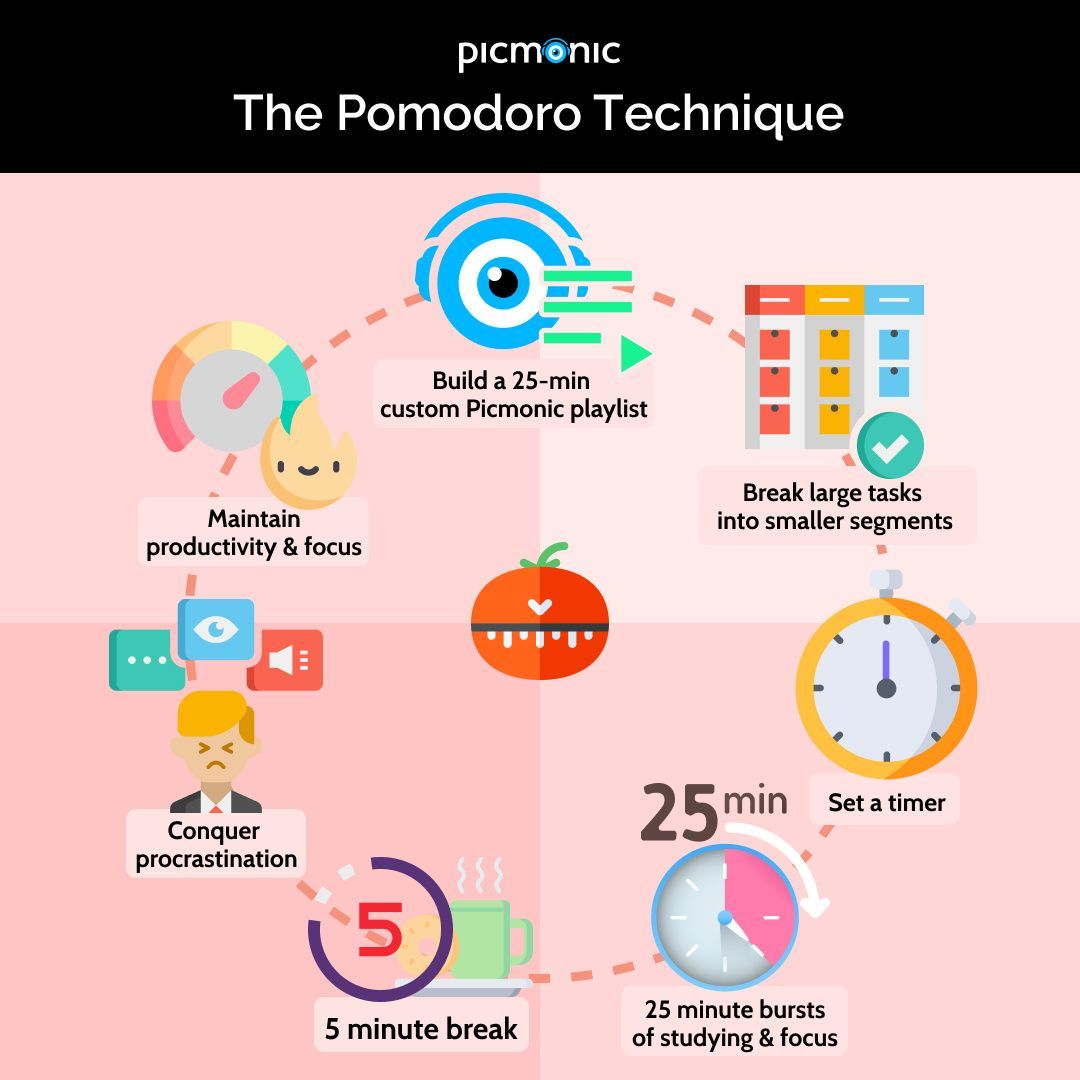
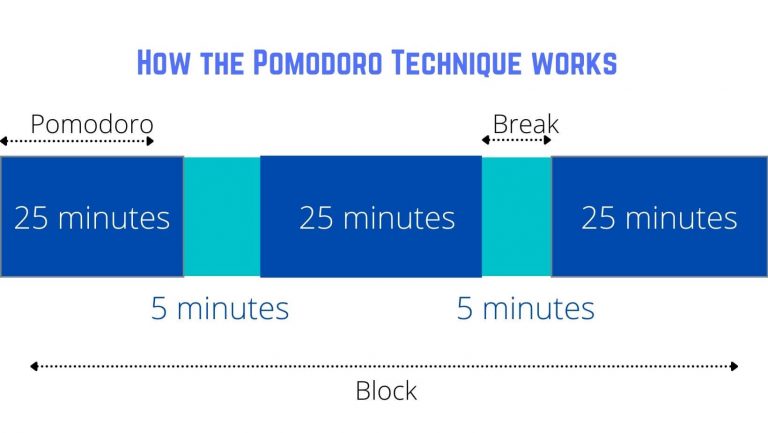
- Pomodoros: 25-minute intervals of uninterrupted focus.
- Short breaks: 5-minute breaks to recharge and refocus.
- Long breaks: 20-30 minute breaks after every four Pomodoros.
Benefits for Studying:
1. Enhanced Focus:
- Pomodoros provide structured blocks of time dedicated solely to studying, minimizing distractions and maximizing concentration.
2. Improved Time Management:
- It forces students to prioritize tasks and allocate time effectively, promoting efficient studying habits.
3. Reduced Burnout:
- The regular breaks prevent mental exhaustion and maintain peak performance throughout the study session.
4. Enhanced Memory Retention:
- The alternating periods of focus and rest help consolidate new information in memory, leading to improved recall and understanding.
5. Increased Motivation:
- The sense of accomplishment after completing each Pomodoro motivates students to persevere and stay engaged.
How to Implement the Pomodoro Technique:
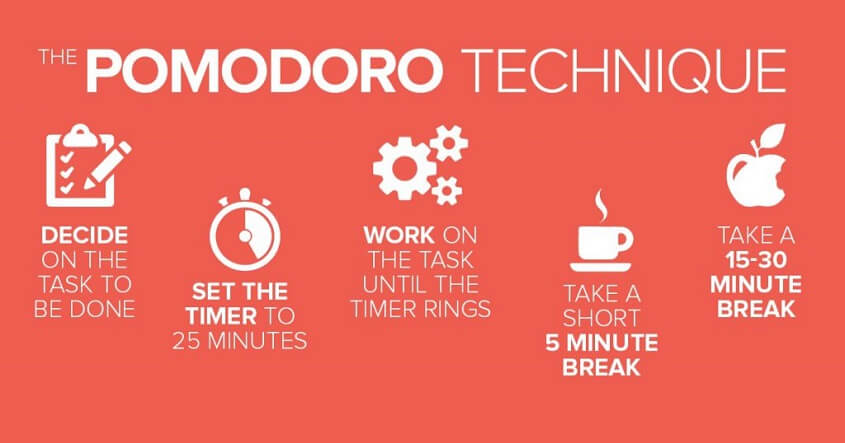
- Set a timer for 25 minutes:
- Focus on studying without any distractions.
- Take a 5-minute break:
- Move around, rest your eyes, or engage in a brief activity that does not involve studying.
- After four Pomodoros, take a long break:
- Take a 20-30 minute break, step away from studying, and engage in unrelated activities that refresh your mind.
Customization:
The Pomodoro Technique can be customized to suit individual preferences and study styles. For instance:
- Shorter Pomodoros: 15-20 minutes for those with difficulty focusing for extended periods.
- Longer breaks: Adjust the break length as needed to maximize effectiveness.
- Extended study sessions: Increase the number of Pomodoros to accommodate longer study sessions.
Conclusion:
The Pomodoro Technique is a powerful tool that can revolutionize studying habits. Its structured intervals, regular breaks, and focus on time management promote enhanced concentration, improved time management, and increased memory retention. By embracing this technique, students can unlock their full academic potential and achieve remarkable results.## The Power of the Pomodoro Technique for Effective Studying
Executive Summary
The Pomodoro Technique is a time management method that divides study time into focused intervals, followed by brief breaks. This technique has been proven to improve focus, retention, and productivity, making it an invaluable tool for effective studying.
Introduction
Studying effectively requires maintaining focus, avoiding distractions, and maximizing retention. The Pomodoro Technique is a method that addresses these challenges by structuring study time into short, timed intervals. By alternating between focused work and short breaks, students can remain engaged, improve their concentration, and boost their learning outcomes.
FAQ
1. What is the Pomodoro Technique?
It is a time management method that involves breaking down study time into intervals, usually 25 minutes long, separated by short breaks.
2. How long are the intervals?
The traditional Pomodoro Technique uses 25-minute intervals, but you can adjust the duration based on your preferences.
3. How many breaks do you get?
After each Pomodoro interval, you get a short break of 5 minutes. Every four Pomodoros, you take a longer break of 20-30 minutes.
Top 5 Subtopics
1. Improved Focus
- Reduces distractions: Dividing study time into intervals eliminates the temptation to multitask or get sidetracked.
- Promotes deep work: Focused intervals allow you to fully immerse yourself in the material, fostering deeper understanding.
- Prevents mental fatigue: Short breaks prevent burnout and maintain optimal concentration levels.
2. Enhanced Retention
- Spaced repetition: The regular intervals force you to recall information at specific times, improving memory.
- Active recall: Attempting to remember information during breaks strengthens neural pathways and improves retention.
- Reduced cognitive load: Breaking down large tasks into smaller intervals makes learning less overwhelming and easier to process.
3. Increased Productivity
- Time blocking: The Pomodoro Technique creates a structured study schedule, eliminating procrastination and maximizing efficiency.
- Avoids burnout: Regular breaks prevent fatigue and maintain motivation over longer study sessions.
- Provides a sense of accomplishment: Completing Pomodoros provides tangible progress markers, boosting motivation.
4. Stress Reduction
- Controlled environment: The predictable nature of the intervals reduces anxiety associated with unstructured study time.
- Encourages self-care: Regular breaks allow for physical movement, hydration, or other activities that support well-being.
- Promotes mindfulness: The brief pauses between intervals provide an opportunity for reflection and resetting.
5. Flexible Customization
- Adjustable intervals: The duration of Pomodoros and breaks can be tailored to individual preferences and task requirements.
- Break activities: Break time can be used for various activities, including stretching, meditation, or social interaction.
- Integration with other techniques: The Pomodoro Technique can be combined with other study methods like active recall or spaced repetition.
Conclusion
The Pomodoro Technique is a versatile and effective time management method that empowers students to enhance their focus, retention, productivity, and overall well-being. By embracing the power of structured intervals and strategic breaks, students can optimize their study sessions, achieve academic success, and cultivate lifelong learning habits.
Keyword Tags
- Pomodoro Technique
- Effective Studying
- Time Management
- Focus and Concentration
- Memory and Retention