
Benefits of Active Class Participation
- Enhanced listening skills: Paying attention to lectures and discussions improves your ability to comprehend and retain information.
- Increased confidence: Expressing your thoughts and questions in class builds your self-assurance and communication abilities.
- Critical thinking development: Actively engaging with the material encourages you to analyze, question, and form your own opinions.
- Improved memory and recall: Participating in discussions and sharing ideas strengthens your memory by creating multiple connections to the topic.
- Enhanced academic performance: Studies have shown that students who participate more in class tend to perform better academically.
Tips for Active Participation
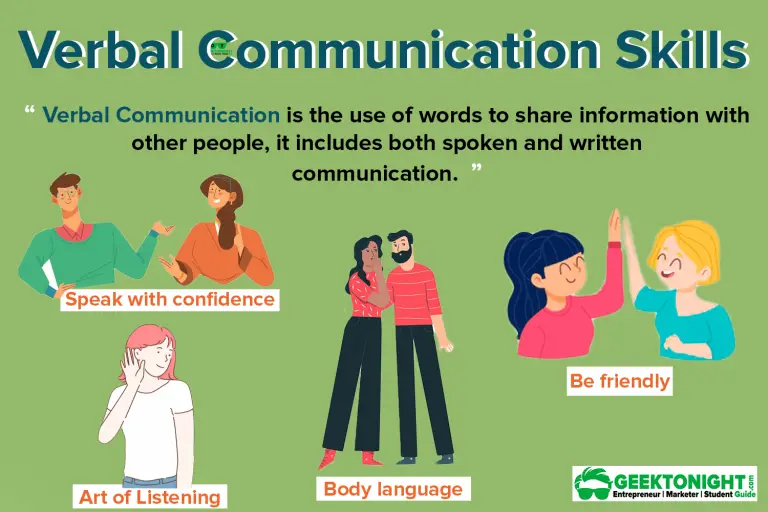
- Prepare beforehand: Read the assigned material, take notes, and come to class with questions or comments.
- Be attentive: Listen carefully to lectures and discussions, even if the topic doesn’t immediately interest you.
- Ask questions: Don’t be afraid to raise your hand and ask questions or share your perspective. This shows that you’re engaged and interested.
- Engage with peers: Respond to others’ questions, comment on their ideas, and participate in group discussions.
- Use respectful language: Express your opinions politely and avoid interrupting others.
- Practice summarization: Paraphrase the main points of discussions to demonstrate your understanding and engage others.
- Follow up outside class: If you have questions or want to explore a topic further, connect with the professor or classmates after class.
Strategies for Encouraging Active Participation
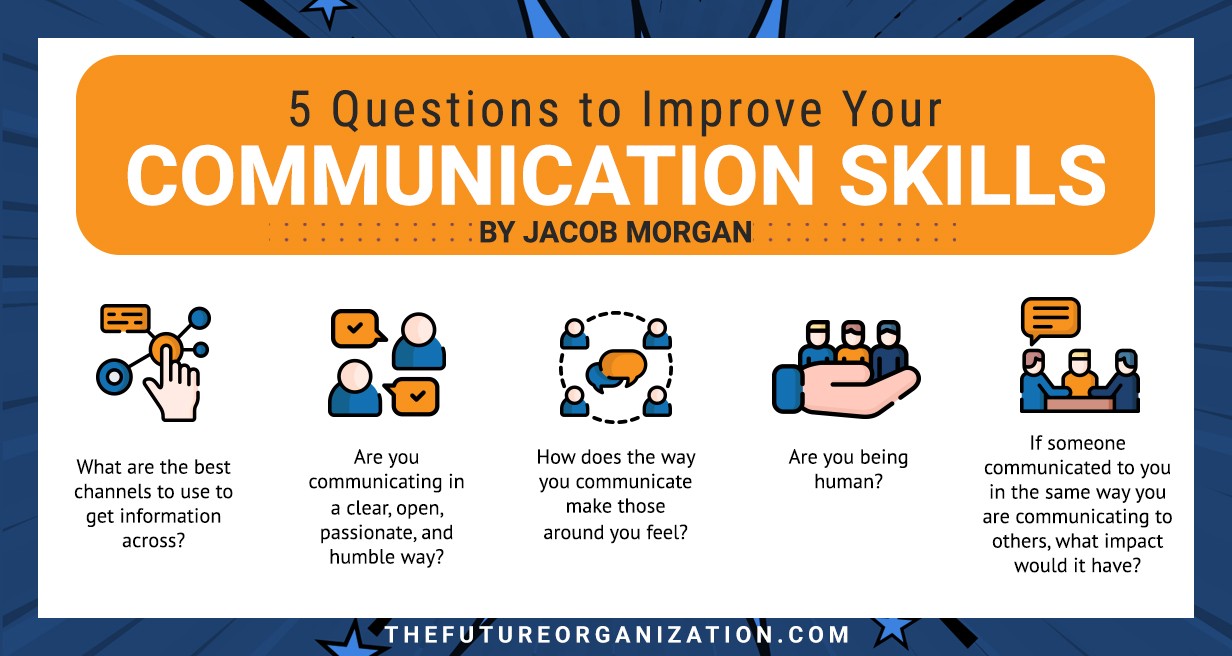
- Interactive lectures: Use discussion boards, Q&A sessions, or group activities to foster engagement.
- Collaborative group work: Assign group projects or discussions to encourage students to work together and share ideas.
- Socratic method: Ask probing questions to encourage students to critically engage with the material and each other.
- Peer review: Have students provide feedback on each other’s work, which fosters active listening and constructive critique.
- In-class surveys or polls: Use technology to gather instant feedback and gauge student understanding.
Conclusion
Active participation in class is crucial for improving communication skills, enhancing cognitive abilities, and boosting academic success. By implementing these strategies and techniques, both students and instructors can create a more engaging and productive learning environment.## Improving Communication Skills Through Active Participation In Class
Executive Summary
Enhancing communication skills is crucial for academic success and personal development. This article explores the significance of active participation in class discussions as an effective strategy for fostering exceptional communication abilities.
Introduction
Active participation in class discussions goes beyond merely attending and listening. It involves engaging with the material, contributing ideas, and actively seeking clarification. By embracing an active role in class, students unlock a wealth of benefits that empower them to excel not only in their academic pursuits but also in their professional and personal lives.
FAQ
Q1: What are the key benefits of active participation in class?
Q2: How can I overcome my hesitations about participating in class?
Q3: Are there any specific techniques or strategies I can employ to improve my participation?
Subtopics
1. Enhancing Comprehension and Retention
Active participation forces students to engage deeply with the material, which aids in comprehension and retention. By actively listening, asking questions, and contributing ideas, students solidify their understanding and create lasting memories of the concepts discussed.
- Critical Thinking: Active participation fosters critical thinking skills as students analyze, synthesize, and evaluate information.
- Cognitive Processing: Engaging in discussions stimulates cognitive processing, promoting higher-level comprehension and problem-solving abilities.
- Elaboration: Articulating thoughts and ideas in class encourages elaboration, where students deepen their understanding by connecting new information to existing knowledge.
- Recall: Participating in discussions strengthens memory by creating multiple retrieval pathways for information.
2. Developing Confidence and Fluency
Participating in class discussions provides a safe and supportive environment for students to practice speaking up and expressing their thoughts. With repeated practice, students gain confidence in their communication abilities and develop greater fluency in expressing their ideas.
- Confidence Building: Overcoming the initial hesitations of speaking in front of others builds self-confidence.
- Verbal Fluency: Engaging in discussions enhances verbal fluency, enabling students to articulate their thoughts smoothly and coherently.
- Comfort Level: Active participation increases students’ comfort level with public speaking and interaction.
- Effective Communication: Practice in class discussions translates into effective communication skills in other settings.
3. Fostering Critical Thinking and Problem-Solving
Active participation encourages students to engage in critical thinking and problem-solving by challenging ideas, raising questions, and offering alternative perspectives. This enhances their ability to analyze information, generate solutions, and defend their positions.
- Analytical Skills: Active participation develops analytical skills as students dissect information and identify key points.
- Problem-Solving: Class discussions facilitate problem-solving by providing opportunities to challenge assumptions and explore different approaches.
- Logical Reasoning: Engaging in discussions strengthens logical reasoning skills as students connect ideas, draw inferences, and develop arguments.
- Evidence-Based Reasoning: Active participation fosters evidence-based reasoning by encouraging students to support their claims with evidence and examples.
4. Building Relationships and Collaborating
Participating in class discussions fosters a sense of community and collaboration. By sharing ideas and perspectives, students develop relationships with their peers and instructors, enhancing their social and interpersonal skills.
- Peer Relationships: Active participation builds positive relationships with classmates, creating a supportive learning environment.
- Instructor Interaction: Engaging in discussions increases opportunities for interaction with instructors, who can provide guidance and feedback.
- Empathy and Perspective-Taking: Class discussions encourage empathy and perspective-taking, as students listen to and understand different viewpoints.
- Collaborative Learning: Active participation fosters collaborative learning, where students work together to achieve common goals.
5. Preparing for the Real World
Effective communication skills are essential for success in the workplace and personal life. Active participation in class discussions prepares students for real-world scenarios by simulating professional environments where they need to articulate their ideas, engage in debates, and solve problems effectively.
- Professional Settings: Class discussions mirror professional settings, providing opportunities to practice communication skills in a controlled environment.
- Job Interviews: Active participation in class enhances interview skills by developing confidence and the ability to articulate thoughts and ideas clearly.
- Team Collaboration: Collaborative discussions prepare students for working in teams and contributing effectively to group projects.
- Conflict Resolution: Engaging in respectful debates and discussions fosters conflict resolution skills, teaching students how to handle disagreements constructively.
Conclusion
Active participation in class discussions is an invaluable strategy for improving communication skills. By engaging with the material, contributing ideas, and seeking clarification, students enhance their comprehension, develop confidence, foster critical thinking, build relationships, and prepare for the real world. Embracing an active role in class discussions empowers individuals to excel in their academic and personal endeavors, unlocking a world of opportunities for growth and success.
Keyword Tags
- Active Classroom Participation
- Communication Skills Development
- Critical Thinking and Problem-Solving
- Confidence Building
- Real-World Preparation