Transforming Education Through Technology: The Rise of Intelligent Tutoring Systems

In the era of rapid technological advancements, education is undergoing a paradigm shift with the integration of intelligent tutoring systems (ITSs). These systems leverage artificial intelligence (AI) and machine learning (ML) to revolutionize the learning experience, personalizing instruction and enhancing student outcomes.
What are Intelligent Tutoring Systems?
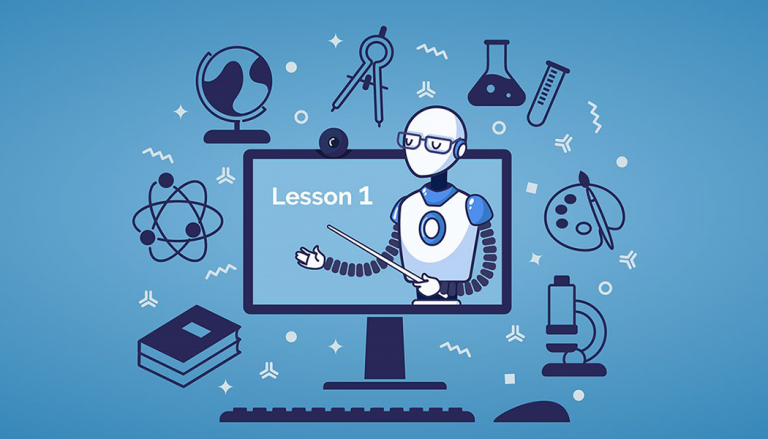
ITSs are computer-based systems that simulate human tutors by providing individualized instruction and feedback to learners. They use sophisticated algorithms to assess student knowledge, identify areas for improvement, and deliver tailored learning materials. Unlike traditional classroom settings, ITSs allow students to learn at their own pace, receive continuous support, and engage in interactive activities.
Benefits of Intelligent Tutoring Systems
- Personalized Learning: ITSs tailor instruction to each student’s unique needs, pacing, and learning styles.
- Adaptive Feedback: Systems provide real-time feedback on student progress, identifying areas of strength and areas that require additional attention.
- Engaging Content: ITSs often incorporate multimedia, simulations, and interactive exercises to make learning more engaging and effective.
- Access to Expertise: Systems provide access to expert knowledge and resources, even beyond the classroom.
- Increased Motivation: Personalized and interactive learning experiences can enhance student motivation and encourage active participation.
How ITSs are Transforming Education
- Supplemental to Classroom Instruction: ITSs can complement traditional classroom teaching by providing additional support and practice.
- Personalized Learning Pathways: Students can navigate their own learning paths, choosing materials that align with their interests and needs.
- Empowerment for Struggling Learners: ITSs can provide individualized assistance to students who need extra support, helping them overcome challenges and reach their full potential.
- Data-Driven Insights: ITSs collect valuable data on student progress, allowing educators to track performance and make data-informed instructional decisions.
- Equity and Access: ITSs can bridge learning gaps and provide equitable access to quality education for all students.
Examples of ITSs in Practice
- DreamBox Learning: A mathematics ITS that uses adaptive assessments and personalized instruction to improve student math skills.
- Khan Academy: An online learning platform that offers individualized video lessons and practice exercises in various academic subjects.
- TutorMe: An online tutoring service that connects students with certified tutors in real-time, providing personalized support.
Conclusion
Intelligent tutoring systems are transforming education by providing personalized learning, adaptive feedback, and engaging content. By leveraging AI and ML, ITSs empower students, enhance instruction, and create a more equitable and accessible educational experience. As technology continues to advance, ITSs will play an increasingly vital role in shaping the future of education.## Transforming Education Through Technology: The Rise of Intelligent Tutoring Systems
Executive Summary
Intelligent tutoring systems (ITS) are revolutionizing education by providing personalized, interactive learning experiences that adapt to each student’s unique needs. With advanced algorithms and machine learning capabilities, ITSs can identify student strengths and weaknesses, diagnose learning challenges, and deliver tailored lessons. This innovative technology has the potential to transform education, making it more engaging, equitable, and effective.
Introduction
In the rapidly evolving landscape of education, technology holds immense promise for enhancing teaching and learning. Intelligent tutoring systems (ITSs) represent the cutting-edge of this technological revolution, offering a transformative approach to personalized education. ITSs leverage artificial intelligence and data analytics to deliver tailored learning experiences that cater to each student’s unique needs. Embracing ITSs has the power to unlock new possibilities in education, empowering educators and learners alike.
Frequently Asked Questions (FAQs)
- What is an intelligent tutoring system (ITS)?
ITSs are computer-based systems that provide personalized tutoring experiences to students. They leverage artificial intelligence, machine learning, and educational theories to create interactive learning environments that adapt to each student’s individual needs.
- How do ITSs work?
ITSs employ complex algorithms to identify student strengths and weaknesses. They diagnose learning challenges, deliver tailored lessons, and provide feedback in real-time. This iterative approach ensures that students receive the most appropriate learning content at the right pace and difficulty level.
- What are the benefits of using ITSs?
ITSs offer numerous benefits, including personalized learning experiences, real-time feedback, and automated assessment. They can help students improve their learning outcomes, reduce learning gaps, and foster a love of learning. ITSs also provide educators with valuable insights into student progress and areas where additional support is needed.
Subtopics
1. Adaptive Learning
Adaptive learning is a core feature of ITSs. It involves systems that adjust to the student’s progress and learning style. This ensures that students are challenged appropriately and receive the most relevant learning materials.
- Personalized Learning Paths: ITSs create customized learning paths for each student based on their individual needs and goals.
- Real-Time Feedback: ITSs provide immediate feedback on student responses, helping them identify errors and refine their understanding.
- Skill Mastery Tracking: ITSs track student progress and mastery of specific skills, enabling educators to monitor student growth and identify areas for improvement.
2. Artificial Intelligence
ITSs leverage artificial intelligence (AI) to enhance their capabilities. AI algorithms power adaptive learning, provide personalized feedback, and analyze student data to identify learning patterns.
- Natural Language Processing: ITSs use natural language processing (NLP) to understand student input and generate tailored responses.
- Machine Learning: Machine learning algorithms enable ITSs to learn from student interactions and improve their performance over time.
- Expert Knowledge: ITSs incorporate the expertise of educators and subject-matter experts to deliver high-quality learning content.
3. Data Analytics
ITSs generate vast amounts of data that can be analyzed to provide valuable insights into student learning. This data helps educators understand student progress, identify learning challenges, and make informed decisions about instructional practices.
- Student Performance Analysis: ITSs provide detailed reports on student performance, allowing educators to track progress and identify areas for improvement.
- Learning Patterns Identification: ITSs analyze student interactions to identify learning patterns, such as preferred learning styles and areas where students struggle.
- Customized Interventions: Data from ITSs can be used to create tailored interventions for students who require additional support or enrichment.
4. Personalized Assessment
ITSs provide personalized assessment experiences that measure student understanding and provide feedback. This assessment is tailored to each student’s individual needs, ensuring that it is both challenging and fair.
- Adaptive Tests: ITSs administer adaptive tests that adjust in difficulty based on student responses, providing a more accurate assessment of their skills.
- Diagnostic Assessments: ITSs use diagnostic assessments to identify specific areas where students need additional support.
- Feedback and Remediation: ITSs provide detailed feedback on student performance and suggest remedial activities to address learning gaps.
5. Gamification and Engagement
ITSs incorporate gamification elements to make learning more engaging and motivating for students. They provide rewards, challenges, and progress tracking to foster a sense of accomplishment and keep students engaged.
- Game-Based Learning: ITSs use game-like elements, such as points, badges, and leaderboards, to make learning fun and interactive.
- Personalized Challenges: ITSs provide personalized challenges that cater to each student’s learning level and interests.
- Progress Tracking: ITSs track student progress and provide visual representations to motivate students and encourage goal-setting.
Conclusion
Intelligent Tutoring Systems (ITSs) are revolutionizing education by providing personalized, engaging, and data-driven learning experiences. By leveraging artificial intelligence, adaptive learning, and data analytics, ITSs empower educators and learners alike. They offer a transformative approach to education that has the potential to improve student outcomes, reduce learning gaps, and foster a lifelong love of learning. As technology continues to evolve, ITSs will play an increasingly vital role in shaping the future of education, ensuring that every student has the opportunity to succeed.
Keyword Tags
- Intelligent Tutoring Systems (ITS)
- Personalized Learning
- Adaptive Learning
- Artificial Intelligence
- Data Analytics