Virtual Classrooms
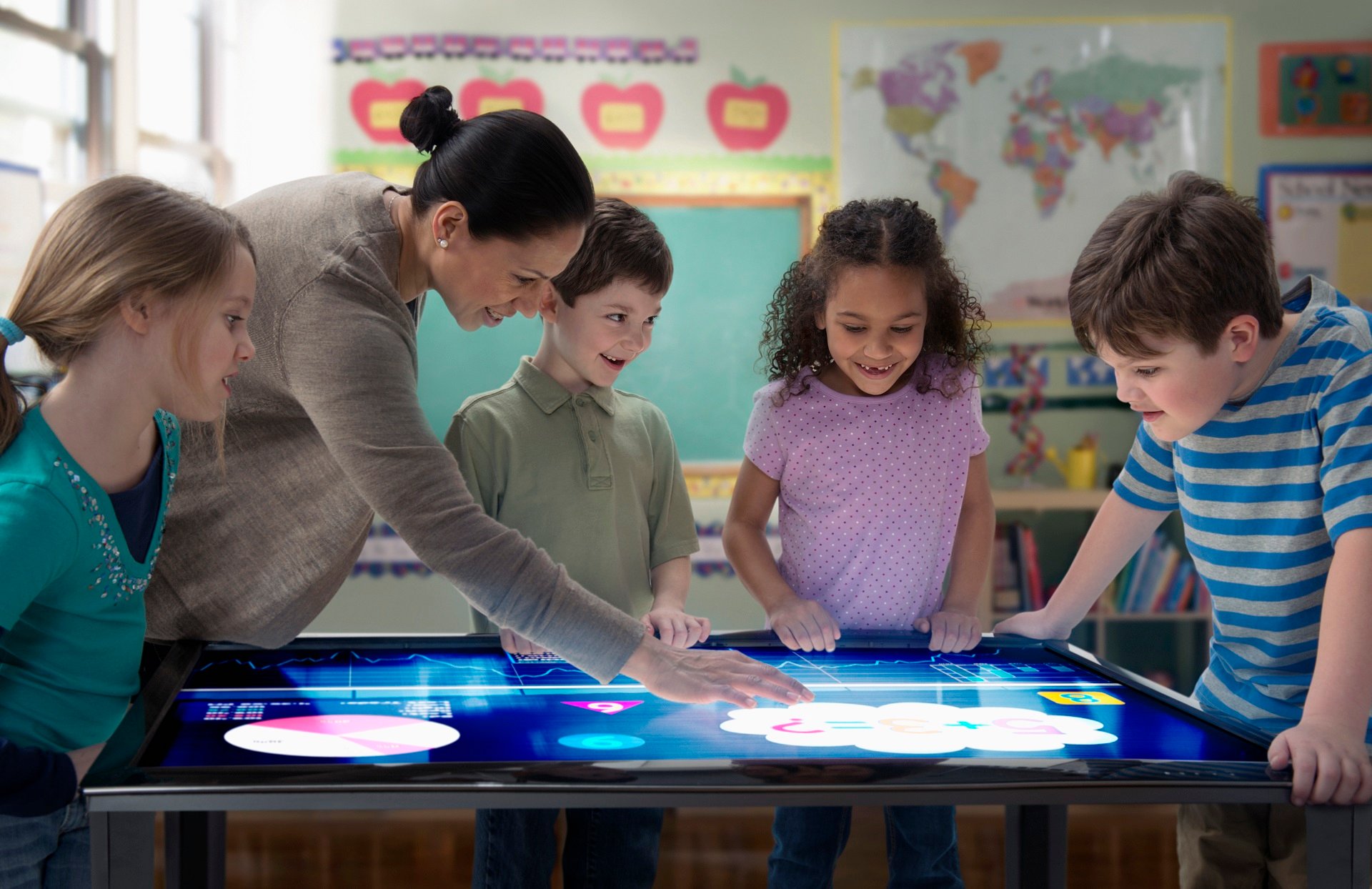
- Personalized learning: AI algorithms adapt content and pacing to individual student needs, tailoring lessons to their strengths and weaknesses.
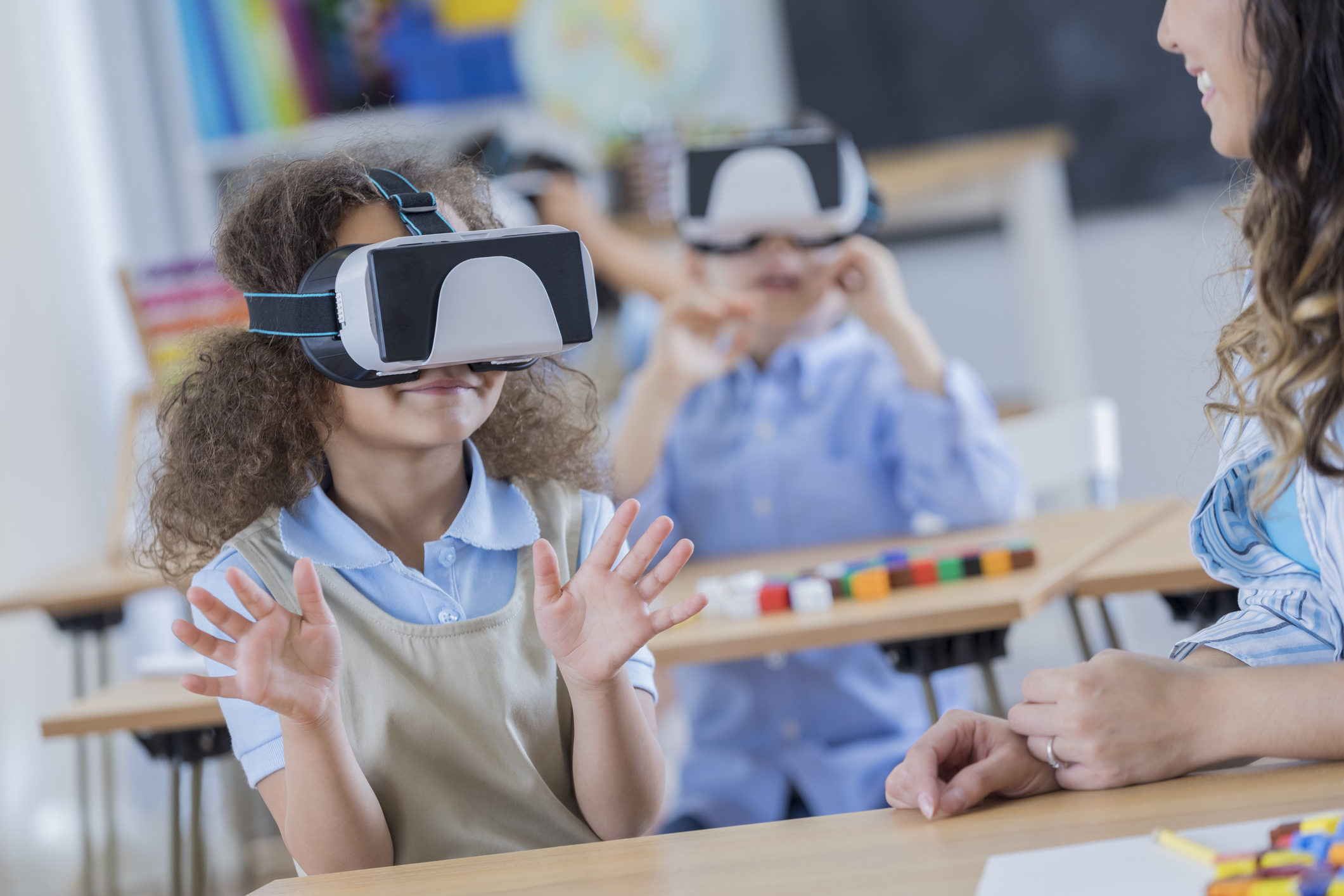
- Virtual simulations: Immersive virtual environments provide students with safe and engaging experiences that supplement traditional classroom learning.
- Remote accessibility: Virtual classrooms enable students to access learning materials and participate in lessons from anywhere with an internet connection.
Intelligent Assessments
- Automated grading and feedback: AI-powered grading systems evaluate student work objectively and provide detailed feedback, saving teachers time and improving consistency.
- Personalized assessments: AI can adapt assessments to each student’s knowledge level, offering tailored questions and providing personalized feedback.
- Predictive analytics: AI algorithms analyze student data to identify struggling students early on, allowing for timely interventions and support.
Other AI Applications in Education
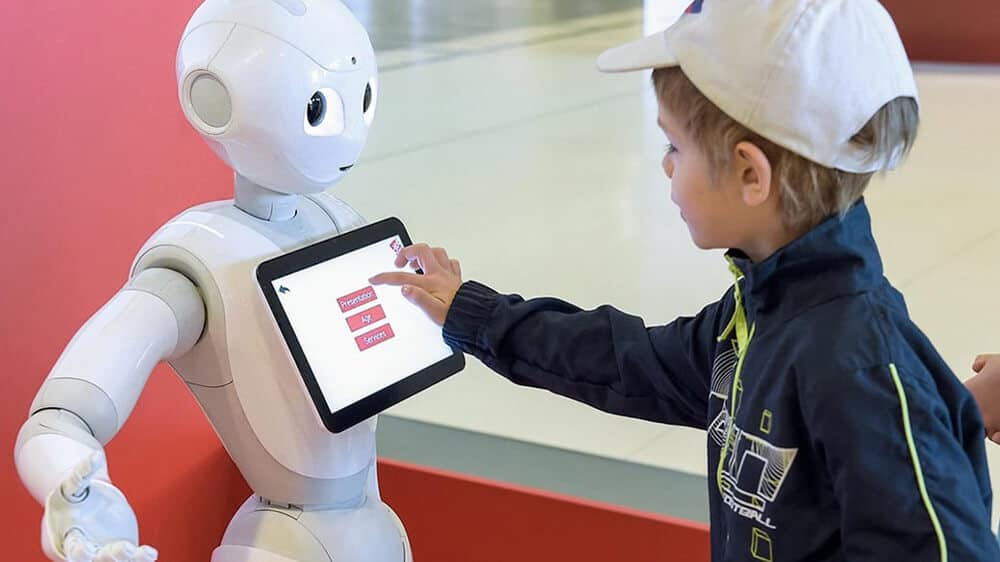
- Chatbots: AI-powered chatbots provide virtual assistants for students, answering questions, providing support, and offering personalized guidance.
- Student behavior analysis: AI algorithms analyze student data to identify behavioral patterns and provide insights for educators, helping them address potential issues proactively.
- Administrative tasks automation: AI automates tasks such as scheduling, grading, and data analysis, freeing up time for teachers to focus on student engagement and instruction.
Benefits of AI in Education
- Personalized and adaptive learning: AI provides every student with a tailored learning experience, addressing their unique needs.
- Improved student outcomes: AI-powered assessments and personalized learning contribute to enhanced student achievement and progress monitoring.
- Increased efficiency and cost savings: Automation of administrative tasks and intelligent assessments reduces teacher workload and administrative costs.
- Enhanced accessibility: Virtual classrooms and AI-powered support expand access to education for students regardless of their location or schedule.
- Future-ready skills development: AI applications in education prepare students for the skills and knowledge required in the 21st-century workplace.
Challenges and Considerations
- Data privacy and security: AI systems rely on student data, raising concerns about data protection and privacy.
- Equity and fairness: AI algorithms must be designed to avoid bias and ensure equitable access for all students.
- Teacher training and support: Educators need ongoing training and support to effectively use AI-powered tools and integrate them into their teaching practices.
- Cost and implementation: AI systems can be expensive to implement and require significant infrastructure investment.
- Ethical implications: The use of AI in education raises ethical questions about the potential impact on the role of teachers, student autonomy, and the future of education itself.## From Virtual Classrooms To Intelligent Assessments: AI In Education
Executive Summary
Artificial Intelligence (AI) is rapidly transforming the education landscape, offering innovative solutions to enhance learning experiences, personalize instruction, and improve assessment practices. From virtual classrooms and intelligent tutoring systems to adaptive learning platforms and automated grading tools, AI is revolutionizing the way we teach and learn. This comprehensive article explores the multifaceted applications of AI in education, highlighting its potential to create more engaging, effective, and equitable learning environments.
Introduction
The integration of AI into education has sparked a paradigm shift, empowering educators and learners alike. By leveraging the capabilities of machine learning, natural language processing, and computer vision, AI applications are transforming traditional educational practices, offering personalized learning pathways, real-time feedback, and data-driven insights that were previously unavailable.
FAQs
Q1: How does AI enhance virtual classrooms?
Q2: What are the benefits of intelligent tutoring systems?
Q3: How can AI improve assessment practices?
Subtopics
Virtual Classrooms
Virtual classrooms powered by AI enable remote learning experiences that transcend geographical boundaries.
- Interactive Simulations: Immersive virtual environments enhance student engagement and understanding through hands-on simulations and interactive activities.
- Personalized Learning: AI-driven algorithms tailor learning content and activities to individual student needs, addressing different learning styles and paces.
- Real-Time Collaboration: AI facilitates seamless virtual collaborations between students and educators, fostering a sense of community and peer-to-peer learning.
Intelligent Tutoring Systems
Intelligent tutoring systems leverage natural language processing to provide personalized guidance and support to students.
- Real-Time Feedback: AI-powered chatbots and virtual assistants offer instant feedback on student questions and responses, clarifying concepts and reinforcing learning.
- Adaptive Learning Paths: Intelligent tutoring systems create personalized learning plans based on student performance, adjusting content and activities to optimize learning outcomes.
- Targeted Intervention: AI identifies areas where students struggle, providing targeted support and resources to address specific learning gaps.
Adaptive Learning Platforms
Adaptive learning platforms use AI to tailor educational content to individual student needs.
- Personalized Content: Algorithms analyze student data to deliver customized learning materials that align with their knowledge levels and learning goals.
- Self-Paced Learning: Students can progress at their own pace, revisiting concepts they struggle with and skipping ahead in areas where they excel.
- Data-Driven Insights: Adaptive learning platforms provide educators with real-time data on student performance, enabling them to adjust instruction and provide timely support.
Intelligent Assessment
Intelligent assessment tools powered by AI offer objective, efficient, and unbiased evaluations.
- Automated Grading: AI algorithms can automatically grade essays, assignments, and code submissions, freeing up educators’ time for personalized feedback.
- Real-Time Feedback: Intelligent assessment tools provide immediate feedback on student performance, allowing them to identify areas for improvement and take corrective actions quickly.
- Personalized Assessment: AI can generate customized assessments that adapt to student abilities and learning styles, ensuring fair and equitable evaluations.
Data Analytics
AI-driven data analytics in education offer valuable insights into student learning and educational practices.
- Personalized Learning: Data analytics help identify individual student strengths and weaknesses, enabling tailored educational interventions and personalized learning plans.
- Optimizing Instruction: Educators can use data analytics to monitor student progress, adjust teaching strategies, and improve the overall effectiveness of instruction.
- Institutional Improvement: Data analytics can provide insights into educational policies, resource allocation, and teacher professional development, leading to systemic improvements.
Conclusion
The integration of AI in education is a transformative force that is redefining learning experiences, empowering educators, and unlocking new possibilities for personalized and effective education. As AI technology continues to advance, we can expect even more innovative applications that will further enhance the teaching and learning process, creating a future where education is accessible, equitable, and tailored to each individual learner.
Keyword Tags
- Artificial Intelligence in Education
- Virtual Classrooms
- Intelligent Tutoring Systems
- Adaptive Learning Platforms
- Intelligent Assessment