Closing the Achievement Gap with AI-Powered Education
Introduction
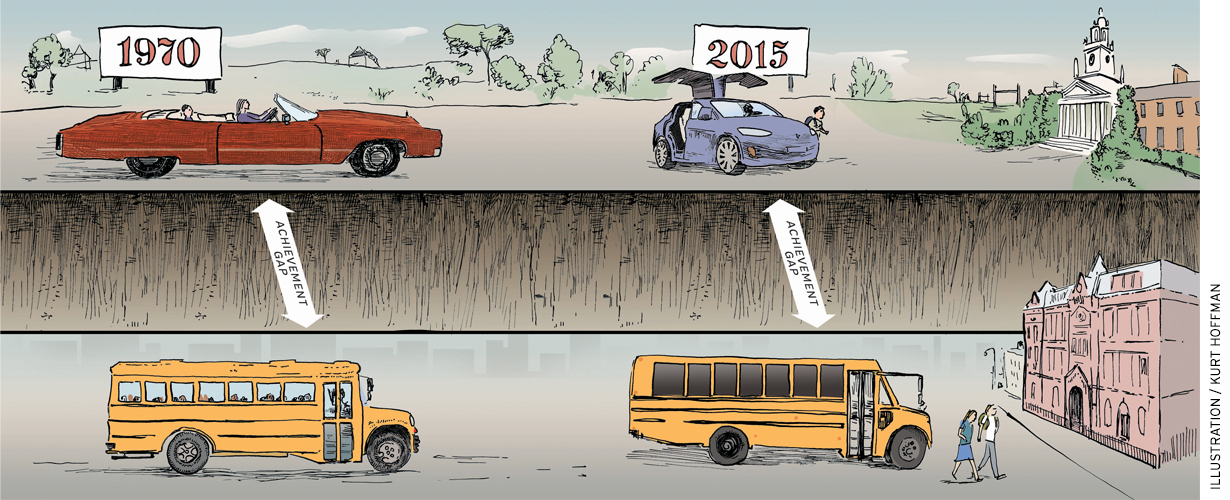
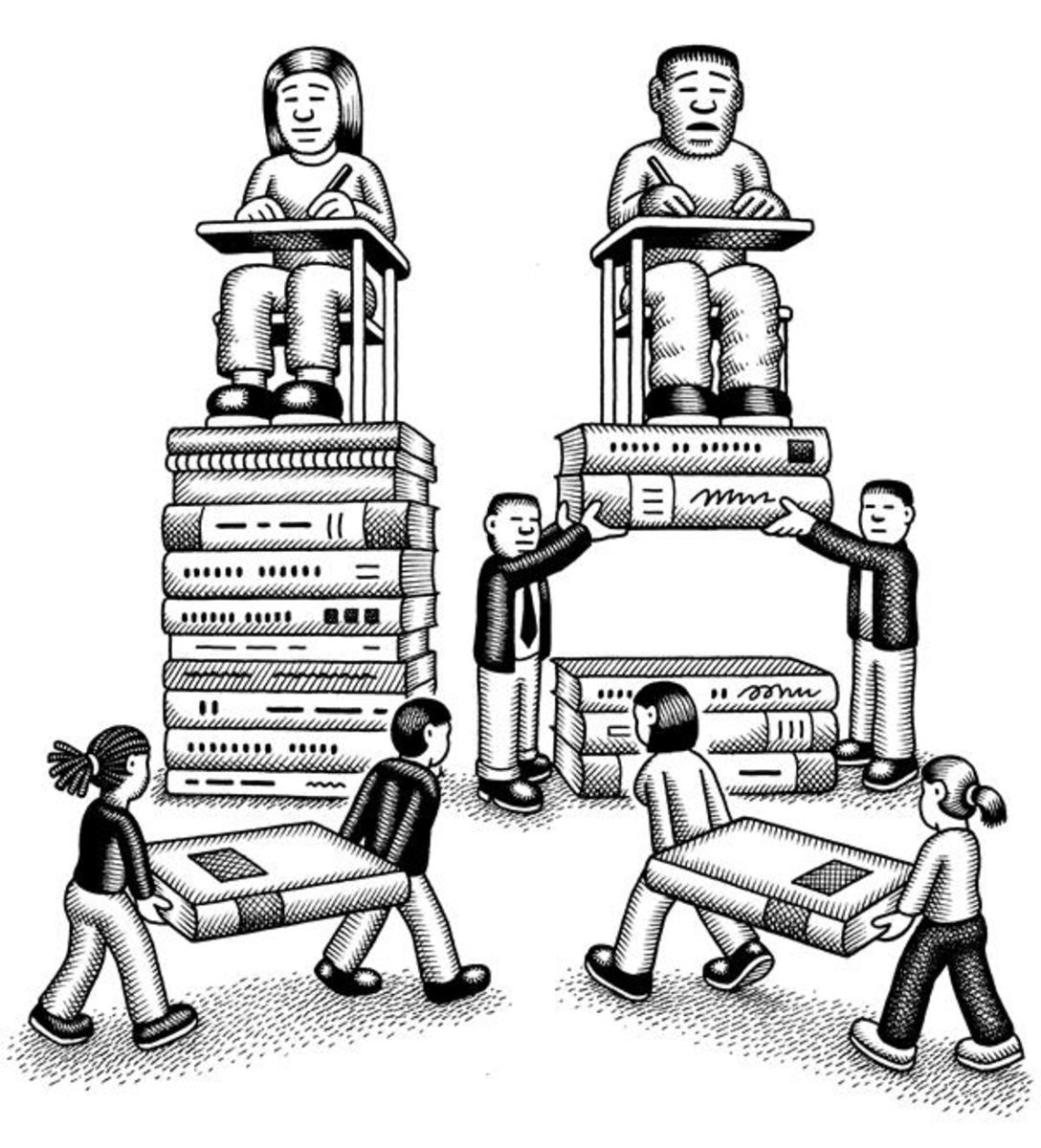
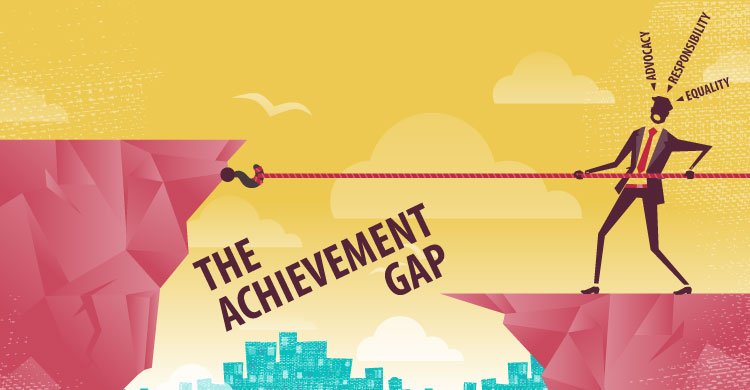
The achievement gap refers to the persistent disparity in educational outcomes between students from different backgrounds and socioeconomic status. AI-powered education offers a transformative approach to address this issue by providing personalized and adaptive learning experiences.
How AI Enhances Education
- Personalized Learning: AI algorithms analyze individual student data, including learning styles, academic performance, and strengths/weaknesses. This information is used to create tailored learning plans that meet the unique needs of each student.
- Adaptive Learning: AI-powered systems adjust the content, pace, and difficulty of learning materials in response to student progress. Students can move at their own pace and receive immediate feedback, fostering a sense of mastery.
- Automated Feedback and Support: AI assistants provide automated grading, feedback, and guidance, reducing teacher workload and freeing up time for one-on-one support for struggling students.
- Real-Time Monitoring: AI systems monitor student engagement, progress, and areas for improvement, allowing teachers to intervene early and provide targeted support.
Impact on Achievement Gap
- Improved Engagement and Motivation: Personalized and adaptive learning experiences can increase student engagement and motivation, leading to improved learning outcomes.
- Targeted Support: AI identifies students at risk of falling behind and provides tailored interventions to address their specific needs.
- Equity in Access: AI-powered learning platforms are accessible anytime, anywhere, breaking down barriers to education for students from underserved communities.
- Early Identification and Intervention: AI can detect early warning signs of academic difficulty, allowing teachers to intervene promptly and prevent students from falling behind.
Case Studies and Evidence
- A study by the University of California, Irvine found that students using an AI-powered learning platform demonstrated significant gains in reading and math skills, closing the achievement gap with peers from more affluent backgrounds.
- The Khan Academy’s AI-powered personalized learning system has been shown to improve student outcomes by 20%.
Challenges and Considerations
- Data Privacy and Bias: It is critical to address concerns about data privacy and potential bias in AI algorithms.
- Teacher Training and Support: Teachers need training to effectively use AI tools and integrate them into their教学实践.
- Cost and Accessibility: AI-powered education technology can be expensive, and it is important to ensure equitable access for all students.
Conclusion
AI-powered education has the potential to revolutionize learning and close the achievement gap. By providing personalized, adaptive, and equitable learning experiences, AI can empower students to reach their full potential and create a more just and equitable educational system. It is crucial to address the challenges and considerations associated with AI-powered education to ensure its benefits are realized for all students.## Closing the Achievement Gap with AI-Powered Education
Executive Summary
The achievement gap is a persistent issue in education, with students from disadvantaged backgrounds consistently underperforming compared to their more affluent peers. AI-powered education offers a promising solution to this problem by providing personalized learning experiences that can help students overcome the barriers they face. This article explores the potential of AI in closing the achievement gap by providing targeted support, enhancing engagement, and fostering equity in education.
Introduction
The achievement gap is a complex issue with deep-rooted causes, including poverty, lack of access to quality resources, and cultural and linguistic barriers. Traditional educational methods have struggled to address these challenges effectively, leading to persistent disparities in student outcomes. AI-powered education offers a transformative approach by harnessing the power of technology to create personalized and equitable learning experiences for all students.
FAQs
- What is AI-powered education?
AI-powered education utilizes artificial intelligence technologies such as machine learning and natural language processing to create personalized learning experiences that adapt to each student’s needs, learning style, and pace.
- How can AI help close the achievement gap?
AI can provide targeted support for struggling students, enhance engagement through interactive and gamified learning, and foster equity by removing barriers to access and opportunity.
- Is AI-powered education expensive?
AI-powered educational tools are becoming increasingly affordable, with many open-source and low-cost options available. Additionally, the long-term benefits of closing the achievement gap can far outweigh the costs.
Subtopics
Personalized Learning
- Tailored content: AI can analyze student data to identify learning gaps and strengths, providing personalized content that addresses their specific needs.
- Adaptive difficulty: Learning materials can adjust in difficulty based on the student’s performance, ensuring they are always challenged but not overwhelmed.
- Real-time feedback: AI-powered systems can provide immediate feedback on assignments, quizzes, and projects, allowing students to make timely corrections and improve understanding.
- Personalized learning plans: AI-powered education can create individualized learning plans that outline specific goals, activities, and assessments for each student.
Engaging Learning Experiences
- Interactive simulations and games: AI can create engaging and interactive simulations, games, and activities that make learning more enjoyable and memorable.
- Virtual reality (VR) and augmented reality (AR): VR and AR technologies can immerse students in virtual worlds and environments, providing hands-on and experiential learning opportunities.
- Personalized feedback loops: AI-powered systems can analyze student engagement and performance to provide tailored feedback that motivates and encourages learning.
- Gamification: AI can gamify learning by adding elements of competition, rewards, and challenges to make learning more engaging and rewarding.
Equity and Access
- Flexible learning models: AI-powered education enables flexible learning models, such as blended learning and online courses, which can provide access to education for students in remote or disadvantaged areas.
- Reduced language barriers: AI can translate learning materials and provide support in multiple languages, removing linguistic barriers for non-native speakers.
- Breaking down financial barriers: Open-source and low-cost AI-powered educational tools can help break down financial barriers and make quality education accessible to all students.
- Early intervention: AI can identify students at risk of falling behind early on and provide targeted support to prevent them from slipping through the cracks.
Data-Driven Insights
- Student progress tracking: AI-powered systems can track student progress in real-time, providing teachers with valuable insights into their understanding and areas for improvement.
- Predictive analytics: AI can analyze data to predict students’ future performance and identify those who may need additional support.
- Personalized interventions: Data-driven insights can inform personalized interventions, such as targeted tutoring or mentoring, to address specific learning challenges.
- Evidence-based decision-making: AI can provide evidence-based data that informs instructional decisions, ensuring that teaching practices are data-driven and effective.
Teacher Empowerment
- Time-saving tools: AI can automate administrative tasks, such as grading and lesson planning, freeing up teachers to focus on more meaningful interactions with students.
- Professional development: AI-powered platforms can provide personalized professional development opportunities for teachers, helping them stay up-to-date with the latest teaching methods and technologies.
- Collaboration and sharing: AI-powered platforms can facilitate collaboration and sharing of best practices among teachers, fostering innovation and continuous improvement.
- Personalized insights: AI can provide teachers with personalized insights into each student’s learning style and needs, empowering them to tailor their teaching accordingly.
Conclusion
AI-powered education has the potential to revolutionize education by closing the achievement gap and providing equitable opportunities for all students. By harnessing the power of technology, we can create personalized learning experiences that address the unique needs of each student, foster engagement through interactive and gamified learning, and break down barriers to access and equity. As AI continues to evolve, its potential to transform education and empower students is limitless.
Keyword Tags
- AI-powered education
- Achievement gap
- Personalized learning
- Engaging learning experiences
- Equity and access