Understanding Burnout
Burnout is a state of emotional, physical, and mental exhaustion caused by prolonged or excessive stress. It can manifest as a sense of depletion, detachment, and diminished accomplishment.

How Seeking Help Prevents Burnout
1. Early Detection and Intervention:
- Seeking help early on allows you to identify the warning signs of burnout before it becomes severe.
- You can address underlying stressors and develop coping mechanisms to prevent further exhaustion.
2. Emotional Support and Validation:
- Talking to a therapist, counselor, or trusted friend can provide emotional support and validation.
- Sharing your experiences with someone who understands can reduce feelings of isolation and overwhelm.
3. Stress Management Techniques:
- Professionals can teach you stress management techniques, such as mindfulness, deep breathing, and exercise.
- These techniques can help you cope with stressors and reduce the risk of burnout.
4. Goal Adjustment and Time Management:
- With professional guidance, you can assess your workload and set realistic goals.
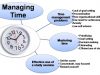
- You can also learn effective time management strategies to reduce stress and prevent burnout.
5. Boundary Setting and Self-Care:
- Therapists can help you identify and set healthy boundaries with others to protect your time and energy.
- They can also encourage you to prioritize self-care practices, such as getting enough sleep, eating well, and connecting with loved ones.
6. Cognitive Restructuring:
- Cognitive restructuring involves changing negative or irrational thoughts into more positive and realistic ones.
- This can help you reduce stress, improve your mood, and prevent burnout.
7. Lifestyle Modification:
- Professionals may recommend lifestyle changes, such as reducing caffeine intake, avoiding alcohol, and getting regular exercise.
- These changes can contribute to overall well-being and reduce the risk of burnout.
8. Skill Development:
- Therapists can help you develop skills, such as communication, conflict resolution, and assertiveness.
- These skills can equip you to cope with stressors and prevent burnout.
Benefits of Seeking Help
- Enhanced well-being and reduced stress
- Improved coping mechanisms
- Prevention of burnout and its negative consequences
- Increased productivity and job satisfaction
- Enhanced relationships and quality of life## How Seeking Help Can Help You Avoid Burnout
Executive Summary
Burnout is a serious problem that can affect anyone, regardless of their age, profession, or lifestyle. It’s characterized by feelings of exhaustion, cynicism, and detachment, and can lead to a number of negative consequences, including decreased productivity, absenteeism, and even physical illness.
Seeking help is essential for avoiding burnout. There are a number of resources available to help you, including therapy, counseling, and support groups. By reaching out for help, you can learn how to manage stress, set boundaries, and develop coping mechanisms. This can help you prevent burnout and improve your overall well-being.
Introduction
Burnout is a state of emotional, physical, and mental exhaustion caused by prolonged or excessive stress. It can manifest in a variety of ways, including fatigue, irritability, difficulty concentrating, and loss of motivation. If left unchecked, burnout can lead to serious health problems, such as heart disease, stroke, and depression.
FAQs
Q: What are the signs and symptoms of burnout?
- Emotional: Fatigue, irritability, anxiety, depression, cynicism
- Physical: Muscle tension, headaches, insomnia, digestive problems
- Mental: Difficulty concentrating, forgetfulness, indecisiveness
Q: What causes burnout?
- Work-related factors: High workload, long hours, unrealistic expectations, lack of control
- Personal factors: Perfectionism, low self-esteem, difficulty saying no
- Lifestyle factors: Poor diet, lack of exercise, insufficient sleep
Q: How can I prevent burnout?
- Set boundaries: Learn to say no to additional work or commitments.
- Take breaks: Schedule regular breaks throughout the day, and take vacations when you need them.
- Delegate: Don’t try to do everything yourself. Delegate tasks to others when possible.
- Seek support: Talk to your family, friends, or therapist about how you’re feeling.
Subtopics To Help Prevent Burnout
Causes of Burnout
- Work-related Factors: High demands, low control, long hours, and poor supervision can all contribute to burnout.
- Personal Factors: Perfectionism, low self-esteem, and difficulty setting boundaries can make you more susceptible to burnout.
- Lifestyle Factors: Poor diet, lack of exercise, and insufficient sleep can worsen burnout symptoms.
Symptoms of Burnout
- Emotional Symptoms: Feeling exhausted, irritable, and detached; losing interest in your work or hobbies
- Physical Symptoms: Experiencing headaches, stomachaches, or other physical symptoms that can’t be explained by an underlying medical condition
- Mental Symptoms: Having difficulty concentrating, making decisions, or remembering things
Preventing Burnout
- Set Limits: Establish boundaries between work and personal time, and stick to them.
- Learn to Say No: It’s okay to turn down additional work or commitments if you don’t have the time or energy.
- Take Breaks: Step away from your work regularly to rest and recharge.
- Delegate: If you’re feeling overwhelmed, ask for help from colleagues, friends, or family members.
Coping with Burnout
- Seek Professional Help: If you’re struggling to cope with burnout on your own, consider seeking professional help from a therapist or counselor.
- Practice Relaxation Techniques: Spend time doing things that help you relax, such as exercise, yoga, meditation, or reading.
- Get Enough Sleep: Aim for 7-8 hours of sleep each night to allow your body and mind to rest and recover.
Recovery from Burnout
- Take Time Off: If possible, take some time off from work or school to rest and recharge.
- Reconsider Your Goals: Burnout is often a sign that you need to re-evaluate your priorities and goals.
- Seek Support: Connect with friends, family, or a support group to talk about your experiences and get support.
Conclusion
Burnout is a serious problem, but it can be prevented and overcome. By setting limits, seeking support, and practicing self-care, you can protect yourself from burnout and enjoy a healthier, more balanced life.
Keyword Tags
- Burnout
- Stress Management
- Emotional Health
- Coping Mechanisms
- Prevention