====== Counseling ======
Counseling: A Guide to Managing Stress in College
College can be a stressful time for students. Between classes, exams, and social obligations, it can be difficult to find time to relax and de-stress. If you’re feeling overwhelmed, you may want to consider seeking counseling.
Counseling can help you to:
- Identify the sources of your stress
- Develop coping mechanisms
- Improve your problem-solving skills
- Build resilience
- Manage your time more effectively
- Improve your relationships
- Set realistic goals
- Make healthy lifestyle choices
- Boost your self-confidence
- Reduce anxiety and depression
If you’re not sure if counseling is right for you, talk to your doctor or a trusted friend or family member. They can help you to assess your needs and decide if counseling is a good option for you.
How to Find a Counselor
There are many different types of counselors available, so it’s important to find one who is a good fit for you. You may want to start by talking to your doctor or a trusted friend or family member for recommendations. You can also search for counselors online or in your local phone book.
When you’re looking for a counselor, it’s important to consider your needs and preferences. Do you want to see a counselor who specializes in a particular type of therapy? Do you want to see a counselor who is of a particular gender or race? Do you want to see a counselor who is located near your home or work?
Once you’ve found a few potential counselors, you should schedule a consultation. This will give you a chance to meet the counselor and ask any questions you have. It’s also a good opportunity to get a feel for the counselor’s personality and style.
What to Expect in Counseling
Counseling sessions typically last for 50 minutes to an hour. During your first session, the counselor will ask you about your reasons for seeking counseling. They will also ask you about your personal history and current situation.
The counselor may use a variety of techniques to help you achieve your goals. These techniques may include talk therapy, cognitive-behavioral therapy, or mindfulness meditation.
Counseling can be a challenging experience, but it can also be very rewarding. If you’re open to the process and willing to work hard, counseling can help you to improve your mental health and well-being.
How to Get the Most Out of Counseling
Here are a few tips to help you get the most out of counseling:
- Be honest with your counselor. The more open you are, the better the counselor can help you.
- Be patient. It takes time to see results from counseling. Don’t get discouraged if you don’t feel better immediately.
- Do the work. Counseling is not a passive experience. You need to be willing to put in the effort to change.
- Be open to feedback. The counselor may give you feedback that you don’t want to hear. But it’s important to remember that feedback is meant to help you grow.
- Don’t give up. If you’re struggling with counseling, don’t give up. Talk to your counselor about your concerns. Together, you can find a way to make counseling work for you.
Other Resources for Managing Stress in College
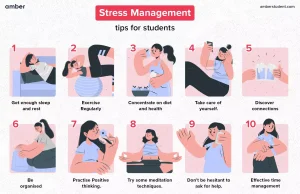
In addition to counseling, there are a number of other things you can do to manage stress in college. These include:
- Exercise: Exercise is a great way to reduce stress and improve your mood.
- Get enough sleep: When you’re sleep-deprived, you’re more likely to feel stressed and overwhelmed.
- Eat healthy foods: Eating a healthy diet can help you to feel better both physically and mentally.
- Avoid alcohol and drugs: Alcohol and drugs can make stress worse in the long run.
- Connect with others: Spending time with friends and family can help you to feel supported and less stressed.
- Set realistic goals: Don’t try to do too much at once. Set realistic goals for yourself and break down large tasks into smaller, more manageable ones.
- Learn to say no: It’s OK to say no to things you don’t have time for or that you don’t want to do.
- Take breaks: It’s important to take breaks throughout the day to relax and de-stress.
- Learn relaxation techniques: There are a number of relaxation techniques that can help you to reduce stress, such as deep breathing, meditation, and yoga.
Remember, you’re not alone. Many students experience stress in college. If you’re feeling overwhelmed, don’t be afraid to seek help. Counseling can be a valuable tool for managing stress and improving your mental health.
College counseling, Stress management, Mental health, Therapy, Anxiety