Benefits of Seeking Help for Academic Success:
1. Clarification and Understanding:
- Instructors and tutors can provide additional explanations and perspectives, clarifying difficult concepts.
- They can answer questions, resolve misunderstandings, and help students grasp the material.
2. Improved Study Skills and Techniques:
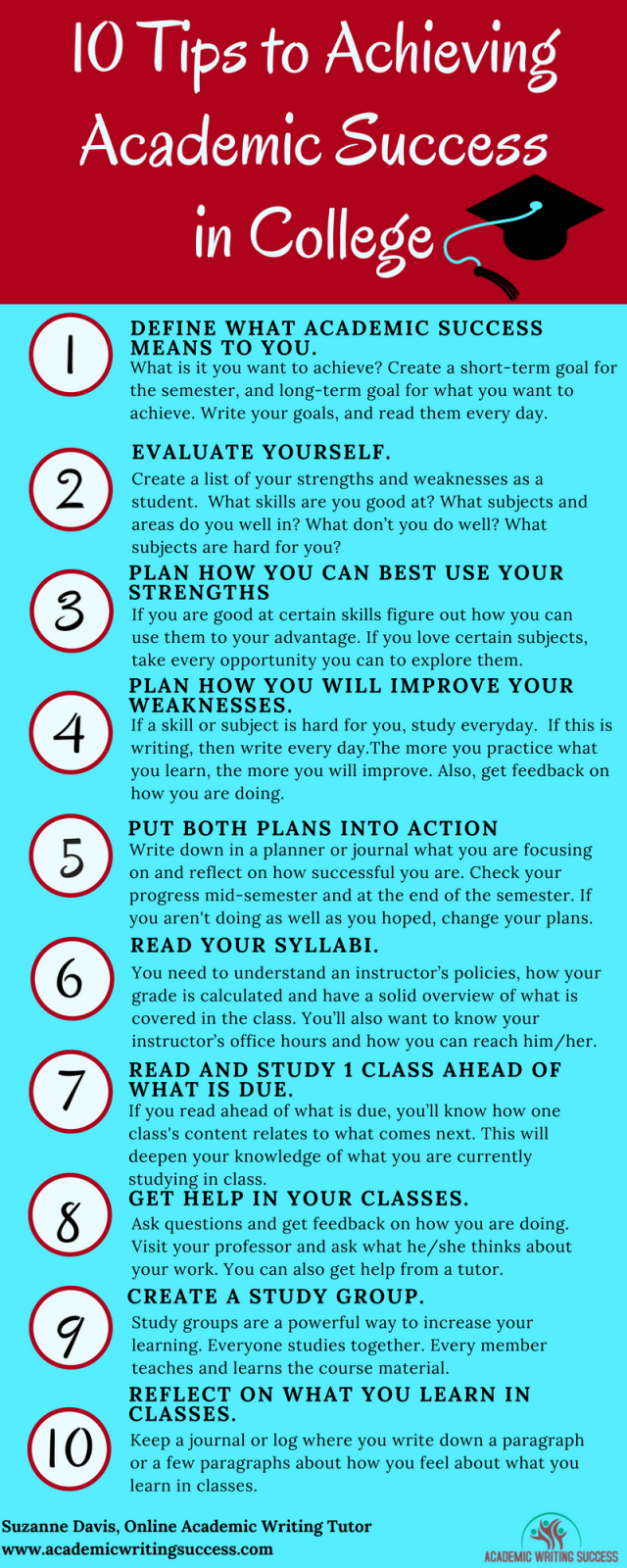
- Experts can offer guidance on effective study habits, note-taking strategies, and time management.
- They can help students identify areas for improvement and develop personalized study plans.
3. Confidence Building:
- Seeking help shows that students are invested in their success.
- Positive feedback and reinforcement from instructors can boost their confidence and motivation.
4. Enhanced Problem-Solving Skills:
- Tutors and instructors can facilitate discussions and exercises that encourage students to think critically and solve problems independently.
- This helps improve their analytical and comprehension skills.
5. Personalized Support:
- By meeting with instructors or tutors individually, students can receive tailored support tailored to their specific needs.
- They can discuss struggles, seek guidance, and receive encouragement at their own pace.
6. Reduced Stress and Anxiety:
- With access to support, students feel less overwhelmed and more confident about their abilities.
- Seeking help can mitigate anxiety related to exams, assignments, and academic performance.
7. Time Optimization:
- By addressing misunderstandings and difficulties early on, students can save time by avoiding unnecessary struggles.
- This allows them to focus on more advanced concepts and improve their overall efficiency.
8. Grade Improvement:
- With improved comprehension, stronger study skills, and reduced stress, students often experience a boost in their grades.
- Seeking help fosters a proactive approach to learning, leading to better academic outcomes.
How to Seek Help:
- Attend office hours and class revisions.
- Reach out to instructors via email or online platforms.
- Contact tutoring centers or study groups.
- Utilize online resources, such as forums and Q&A websites.
- Join peer study sessions or form study groups.
Remember, seeking help is not a sign of weakness but a sign of strength. It demonstrates a willingness to improve and achieve academic success.## How Seeking Help Can Improve Your Academic Success
Executive Summary
Seeking help is an essential aspect of academic success. It allows students to overcome challenges, improve their understanding, and achieve their academic goals. This article explores the benefits of seeking help, addressing common FAQs, and discussing key subtopics that highlight the importance of seeking academic assistance.
Introduction
Navigating the academic journey can present numerous challenges. From understanding complex concepts to managing coursework and assignments, seeking help can empower students to overcome obstacles and maximize their learning potential.
FAQs
1. When is it appropriate to seek help?
- When struggling with a specific concept
- When facing a challenging assignment
- When feeling overwhelmed or anxious about coursework
- When seeking clarification or feedback on work
2. Who can I reach out to for help?
- Instructors
- Teaching assistants
- Tutors
- Study groups
- Academic advisors
3. What are the benefits of seeking help?
- Improved understanding of concepts
- Increased confidence in academic abilities
- Enhanced assignment quality
- Reduced stress and anxiety
- Improved time management skills
Key Subtopics
1. Instructor Support
- Personalized Assistance: Instructors can provide tailored guidance and support based on the student’s individual needs.
- Clarification of Concepts: They can offer explanations and examples to clarify complex topics.
- Feedback on Assignments: Instructors can review work and provide valuable feedback to enhance student learning.
- Office Hours: Office hours offer dedicated time for students to meet with instructors for extra support.
- Virtual Consultations: Instructors may offer virtual consultations for added convenience and accessibility.
2. Tutoring Services
- Expert Guidance: Tutors are subject-matter experts who can provide individualized support.
- Focused Study Sessions: Tutoring sessions allow students to focus on specific areas of concern.
- Enhanced Understanding: Tutors can help break down concepts, reinforce learning, and improve comprehension.
- Customized Assistance: Tutoring can be tailored to meet the student’s learning style and pace.
- Flexible Scheduling: Tutoring services offer convenient scheduling options to accommodate student availability.
3. Study Groups
- Collaborative Learning: Study groups foster teamwork, peer learning, and knowledge sharing.
- Diverse Perspectives: Members of the group can provide different perspectives and insights.
- Accountability and Motivation: Study groups create a sense of accountability and promote motivation.
- Improved Exam Preparation: Group members can quiz each other, review notes, and prepare for exams together.
- Reduced Anxiety: Study groups can help reduce anxiety and build confidence in preparation for assessments.
4. Academic Advisors
- Academic Planning: Advisors guide students in course selection, scheduling, and degree planning.
- Career Counseling: They provide guidance on career exploration, internships, and graduate school options.
- Personal Support: Advisors offer support and encouragement for students facing academic or personal challenges.
- Resource Referrals: Advisors can connect students with campus services and resources such as tutoring, counseling, and financial aid.
- Mentorship and Guidance: Advisors serve as mentors and provide guidance throughout the student’s academic journey.
5. Technology-Enhanced Support
- Online Platforms: Online platforms offer access to virtual tutoring, discussion forums, and study materials.
- AI-Powered Tools: Chatbots and other AI-powered tools can provide instant assistance with questions or concerns.
- Digital Learning Resources: Digital textbooks, videos, and simulations enhance understanding and supplement classroom learning.
- Mobile Accessibility: Mobile apps allow students to access support and resources from anywhere, anytime.
- Personalized Learning: Technology-enhanced support can adapt to individual learning styles and provide customized feedback.
Conclusion
Seeking help is not a sign of weakness but rather a proactive strategy for academic success. By embracing the resources available, students can overcome challenges, enhance their understanding, and achieve their academic goals. Remember, seeking help is an investment in your education and future prospects.
Keyword Tags
- Academic Support
- Tutoring Services
- Study Groups
- Instructor Assistance
- Technology-Enhanced Learning