Prioritize Tasks
- Use the Eisenhower Matrix to categorize tasks based on urgency and importance.
- Focus on completing the most important and urgent tasks first.
- Delegate tasks to others if possible.
Plan Ahead

- Create a weekly or monthly schedule that outlines specific times for classes, study, extracurriculars, and personal time.
- Break down large projects into smaller, manageable tasks.
- Use a planner or calendar app to track appointments and deadlines.
Eliminate Distractions

- Find a quiet study spot away from noise and interruptions.
- Minimize social media usage during study sessions.
- Use noise-canceling headphones or white noise to block out distractions.
Take Breaks
- Schedule regular breaks throughout the day to rest and recharge.
- Use the Pomodoro Technique: work for 25 minutes, then take a 5-minute break.
- Step away from your desk and move around every hour to improve circulation and stay alert.
Utilize Technology
- Use productivity apps to track tasks, manage schedules, and stay organized.
- Take advantage of online resources for studying, tutoring, and assignment submission.
- Set reminders on your phone for important deadlines and appointments.
Set Realistic Goals
- Avoid trying to do too much at once.
- Break down large projects into smaller, achievable goals.
- Don’t be afraid to adjust your schedule as needed.
Evaluate and Adjust
- Regularly reflect on your time management strategies.
- Identify areas where you can improve efficiency.
- Make adjustments to your schedule or techniques based on feedback.
Additional Tips
- Get enough sleep to stay alert and focused.
- Eat healthy snacks to fuel your brain.
- Connect with friends and family for support and accountability.
- Reward yourself for completing tasks to stay motivated.
- Seek professional help if needed, such as an academic advisor or therapist.## How To Manage Your Time Effectively In College
Executive Summary
College students often struggle to manage their time effectively due to the heavy workload, extracurricular activities, and social commitments. This comprehensive guide provides practical strategies, techniques, and tips to help college students optimize their time management skills, reduce stress, improve academic performance, and maintain a balanced life.
Introduction
Time management is a crucial skill for college students to master. With a myriad of responsibilities competing for their attention, it’s essential to develop effective strategies to prioritize tasks, allocate time wisely, and avoid feeling overwhelmed. This guide will equip students with the knowledge and tools to manage their time efficiently, allowing them to excel academically, pursue extracurricular interests, and maintain a healthy work-life balance.
FAQs
What are the biggest time management challenges faced by college students?
- Procrastination: Putting off tasks or assignments until the last minute.
- Overcommitment: Taking on too many responsibilities or activities, leading to stress and overwhelmed feelings.
- Distractions: External factors like social media, smartphones, and noisy environments that disrupt focus.
Why is time management important for college students?
- Improved academic performance: Focused study and timely assignment completion enhance understanding and grades.
- Reduced stress: Effective time management minimizes feelings of overwhelm and anxiety related to deadlines.
- Increased productivity: Optimized time allocation allows students to accomplish more in less time, freeing up time for leisure or other activities.
What are some common time management techniques used by successful students?
- Pomodoro Technique: Alternating focused work sessions with short breaks to improve concentration and reduce burnout.
- Eisenhower Matrix: Prioritizing tasks based on urgency and importance, focusing on the most critical tasks first.
- To-Do Lists: Creating lists of tasks to be completed, organizing them by priority and urgency, and ticking them off as they are finished.
Top 5 Subtopics
1. Prioritization
- Identify important tasks: Focus on assignments, projects, and activities that contribute to your academic success and overall goals.
- Use the Eisenhower Matrix: Categorize tasks as urgent and important, important but not urgent, urgent but not important, or not urgent and not important.
- Set priorities based on deadlines: Consider assignment due dates and upcoming exams when prioritizing.
- Delegate or outsource tasks: If possible, delegate tasks to classmates, friends, or family members to free up time for more important tasks.
- Say no to non-essential commitments: Politely decline invitations or commitments that conflict with your priorities.
2. Scheduling
- Create a weekly schedule: Plan your day by day, allocating specific time slots for classes, study sessions, assignments, extracurricular activities, and personal time.
- Use a calendar or planner: Keep track of appointments, deadlines, and events to avoid conflicts and stay organized.
- Schedule breaks: Incorporate regular breaks into your schedule to prevent burnout and maintain focus.
- Estimate time for tasks: Realistically assess how long tasks will take to complete to avoid underestimating or overestimating.
- Build in flexibility: Allow for unexpected events or interruptions by including extra time in your schedule when possible.
3. Time Wasters and Distractions
- Identify time wasters: Pinpoint activities that waste your time, such as excessive social media scrolling or unnecessary multitasking.
- Set boundaries: Limit time spent on distractions by setting clear boundaries for yourself and sticking to them.
- Create a distraction-free workspace: Designate a specific study area that is free from distractions like noise, clutter, or electronic devices.
- Use time-tracking tools: Track your time to identify time-consuming activities and eliminate unnecessary ones.
- Take breaks away from technology: Regularly step away from your devices to clear your mind and recharge your focus.
4. Procrastination
- Understand the triggers: Identify the reasons why you procrastinate, such as fear of failure, perfectionism, or lack of motivation.
- Break down large tasks: Divide overwhelming tasks into smaller, more manageable chunks to make them less daunting.
- Set realistic goals: Avoid setting unrealistic expectations that can lead to discouragement and procrastination.
- Use the Pomodoro Technique: Alternate focused work sessions with short breaks to maintain concentration and avoid burnout.
- Reward yourself: Motivate yourself by rewarding yourself for completing tasks on time or ahead of schedule.
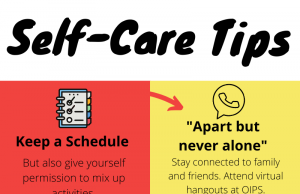
5. Self-Care
- Prioritize sleep: Get enough quality sleep to maintain cognitive function, focus, and overall well-being.
- Exercise regularly: Engage in physical activity to reduce stress, improve mood, and boost energy levels.
- Maintain a healthy diet: Nourish your body with a balanced diet to fuel your mind and body throughout the day.
- Take mental health breaks: Schedule time for activities that bring you joy and relaxation, such as reading, listening to music, or spending time in nature.
- Seek support when needed: Don’t hesitate to reach out to friends, family, or a counselor if you feel overwhelmed or struggling to manage your time effectively.
Conclusion
Effective time management is an invaluable skill that empowers college students to maximize their academic potential, minimize stress, and achieve a balanced life. By implementing the strategies outlined in this guide, students can prioritize tasks, schedule their time wisely, eliminate distractions, overcome procrastination, and prioritize self-care. Embracing these techniques will enable students to succeed in their studies, pursue their interests, and maintain a healthy and fulfilling college experience.
Keyword Tags
- College Time Management
- Time Management Strategies for Students
- Effective Scheduling for College Students
- Procrastination Management in College
- Self-Care for College Students