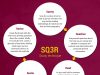
Maintaining Focus and Productivity in Online Learning
Establish a Dedicated Workspace

- Create a specific area in your home solely for online learning.
- Ensure it’s clutter-free, well-lit, and comfortable.
- Designate clear boundaries between your workspace and personal areas.
Set Clear Goals and Schedule

- Outline daily or weekly learning objectives for each course.
- Create a structured schedule that allocates specific time slots for learning.
- Stick to your schedule as closely as possible.
Eliminate Distractions
- Identify potential distractions in your workspace and minimize them.
- Use noise-canceling headphones or white noise to block out noise.
- Install distraction-blocking software or extensions on your devices.
Take Breaks
- Regular breaks are essential for maintaining focus and productivity.
- Schedule short breaks (5-15 minutes) every hour or two.
- Step away from your desk, stretch, or engage in a brief mindfulness exercise.
Use Active Learning Techniques
- Participate in class discussions and ask questions to enhance engagement.
- Utilize note-taking methods that facilitate comprehension and recall.
- Seek additional resources and engage in self-directed learning activities.
Reward Yourself
- Set small, achievable rewards for completing tasks or achieving goals.
- This provides motivation and helps you stay on track.
Seek Support
- Reach out to classmates, instructors, or a designated tutor for clarification or support.
- Join study groups or online forums to connect with others and share ideas.
Practice Self-Discipline
- Stay committed to your schedule and avoid procrastination.
- Use timers or productivity apps to track your progress and stay accountable.
- Practice self-reflection and identify areas where you can improve your focus and productivity.
Utilize Technology
- Leverage online learning platforms and apps that offer features such as virtual classrooms, assignments, and discussion boards.
- Use productivity tools like calendar reminders, task lists, and collaboration software to stay organized and efficient.
Maintain Physical and Mental Well-being
- Exercise regularly and get enough sleep to improve cognitive function.
- Eat healthy foods that support brain health.
- Practice mindfulness and stress-reducing techniques to manage distractions.## How To Stay Focused And Productive During Online Learning
H2 Executive Summary
With the increasing popularity of online learning, it’s imperative to learn effective strategies to enhance focus and productivity while studying remotely. This comprehensive guide delves into the challenges associated with online learning and provides practical solutions to overcome these obstacles. By implementing these techniques, students can maximize their learning outcomes, minimize distractions and achieve academic success in the virtual classroom.
Introduction
Online learning offers unparalleled flexibility and convenience, but it also poses unique challenges to maintaining focus and productivity. Without the structure of a traditional classroom environment, students may struggle with self-discipline, distractions and lack of motivation. This guide aims to equip learners with the necessary tools and strategies to effectively navigate the complexities of online learning and excel in their studies.
FAQs
Q: How can I minimize distractions during online learning?
A: Create a dedicated study space, utilize noise-canceling headphones, set boundaries with family and friends, use website blockers, and take regular breaks.
Q: How can I stay motivated when studying online?
A: Set clear goals, reward yourself for accomplishments, connect with classmates, participate in online discussions, and seek support from instructors or mentors.
Q: How can I improve my time management skills for online learning?
A: Create a study schedule, prioritize tasks, use a to-do list, break down large assignments into smaller chunks, and avoid multitasking.
Top 5 Subtopics for Enhanced Focus and Productivity
H2 Establishing a Dedicated Study Space
- Create a quiet and distraction-free environment: Minimize noise, clutter, and visual distractions to enhance focus and concentration.
- Personalize your study space: Decorate with motivational quotes, artwork, or plants to create a positive and inspiring environment.
- Ensure proper lighting and ventilation: Natural light and fresh air can boost energy levels and reduce eye strain.
- Eliminate unnecessary technology: Remove non-essential devices or apps from your study space to minimize distractions.
- Set boundaries with family and friends: Communicate your study times and request their support in minimizing interruptions.
H2 Utilizing Technology Effectively
- Choose the right tools for the job: Determine the most effective platforms and applications for note-taking, collaboration, and communication.
- Use noise-canceling headphones: Block out distracting noises and enhance auditory focus, especially in shared spaces.
- Install website blockers: Limit access to non-essential websites or social media platforms during study sessions.
- Take regular breaks: Use a timer to schedule short breaks to prevent burnout and maintain attention.
- Utilize online study groups: Connect with classmates for virtual study sessions, discussions, and peer support.
H2 Maintaining Discipline and Self-Motivation
- Set clear and achievable goals: Define specific targets for each study session to provide direction and motivation.
- Reward yourself for accomplishments: Celebrate small victories and completed tasks to boost morale and encourage consistency.
- Connect with classmates: Engage in online discussions, virtual study groups, or social media groups to stay connected and motivated.
- Participate actively in class: Ask questions, share insights, and engage with the material to enhance comprehension and reduce boredom.
- Seek support from instructors or mentors: Reach out to instructors or mentors for guidance, encouragement, or assistance with challenging topics.
H2 Effective Time Management
- Create a study schedule: Establish a structured plan for your study sessions, including specific times for each subject.
- Prioritize tasks: Determine the most important tasks and allocate the most time and effort to them.
- Use a to-do list: Keep track of pending tasks and check them off as you complete them to maintain accountability.
- Break down large assignments: Divide overwhelming assignments into smaller, manageable chunks to reduce stress and increase motivation.
- Avoid multitasking: Focus on one task at a time to maximize efficiency and minimize errors.
H2 Overcoming Challenges and Maintaining Focus
- Address technical issues promptly: Resolve any technical difficulties with your computer, internet connection, or online platform to minimize disruption.
- Stay organized: Keep track of assignments, notes, and resources to reduce confusion and maintain a structured learning environment.
- Take care of your physical and mental health: Exercise regularly, get enough sleep, and eat nutritious foods to enhance overall well-being and cognitive function.
- Practice mindfulness techniques: Engage in meditation, deep breathing exercises, or other mindfulness techniques to reduce stress and improve focus.
- Seek professional help if needed: Don’t hesitate to reach out to a counselor or therapist if you experience persistent difficulty with focus or motivation.
Conclusion
Engaging in online learning presents both opportunities and challenges for students. By adopting the strategies outlined in this guide, learners can effectively address these challenges, enhance their focus and productivity, and unlock their full academic potential. Remember, staying focused and productive during online learning requires a combination of self-discipline, effective time management, and the ability to overcome obstacles. With dedication and perseverance, students can thrive in the virtual classroom and achieve their educational goals.
Relevant Keyword Tags
- Online learning
- Focus and productivity
- Time management
- Motivation
- Virtual classroom