Self-Assessment
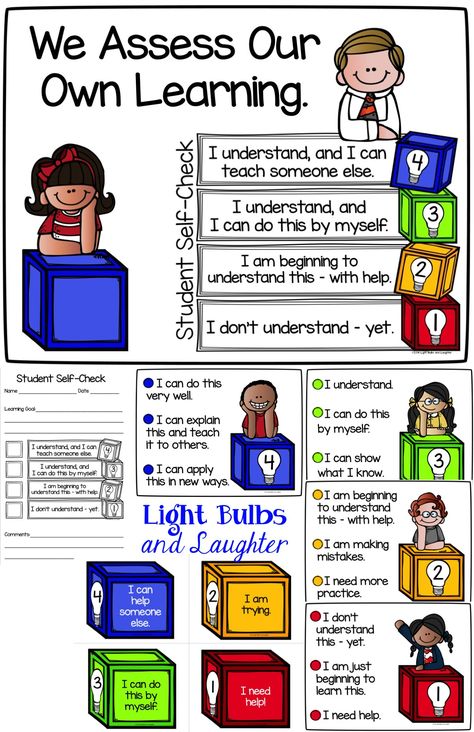
Self-assessment involves evaluating one’s own knowledge, skills, and abilities. It helps students identify areas where they excel and areas where they need improvement.
Goal-Setting
Goal-setting is establishing specific, achievable, relevant, and time-bound (SMART) objectives. It provides direction and motivation for exam preparation.
Connection Between Self-Assessment and Goal-Setting
1. Realistic Goal-Setting: Self-assessment enables students to set realistic goals based on their strengths and weaknesses. They can target areas where they struggle to improve while building upon areas where they excel.
2. Prioritization: Self-assessment helps students prioritize areas for improvement. They can focus on the most crucial topics and allocate their study time accordingly.
3. Monitoring Progress: Self-assessment allows students to track their progress towards their goals. They can identify areas where they are making headway and areas where they need to adjust their strategies.
4. Motivation: Achieving goals provides a sense of accomplishment, which motivates students to continue studying. Self-assessment helps them identify milestones and celebrate successes, boosting their confidence.
5. Accountability: Self-assessment fosters a sense of accountability. Students become aware of their own strengths and weaknesses and can take responsibility for their exam preparation.
How to Use Self-Assessment for Goal-Setting
- Step 1: Identify Areas for Improvement: Use practice tests, past papers, or self-reflection to determine areas where you need to improve.
- Step 2: Set SMART Goals: Break down your improvement areas into specific, achievable, relevant, and time-bound goals.
- Step 3: Create a Study Plan: Develop a study plan that aligns with your goals, prioritizing the areas you need to improve.
- Step 4: Monitor Progress: Regularly self-assess your progress using practice questions or mock exams. Adjust your study plan as needed.
- Step 5: Celebrate Successes: Acknowledge and reward yourself for achieving your goals. This will boost your motivation and encourage you to continue studying effectively.
Conclusion
Self-assessment and goal-setting are interconnected processes that play a crucial role in exam preparation. By accurately assessing their strengths and weaknesses, students can set realistic goals, prioritize their study time, monitor their progress, and stay motivated throughout their preparation. This ultimately enhances their chances of achieving success in their exams.## The Connection Between Self-assessment And Goal-setting For Exam Preparation
Executive Summary
Self-assessment and goal-setting are two essential components in exam preparation and can significantly impact your success. This article explores how these two are connected and provides practical tips on how you can leverage them to enhance your exam performance.
Introduction
In the realm of education, the pursuit of academic excellence often hinges upon effective exam preparation strategies. Two such strategies that hold immense significance in this endeavor are self-assessment and goal-setting. Self-assessment involves critically evaluating your current academic standing, identifying areas for improvement, and setting realistic goals to bridge the gap between your present and desired academic achievements. This process forms the bedrock for effective goal-setting, as it helps you establish achievable targets tailored to your individual strengths and weaknesses.
FAQ
Q: Why is self-assessment important in exam preparation?
- A: Self-assessment provides a clear understanding of your strengths and weaknesses, enabling you to focus your efforts on areas that need improvement.
Q: How do I conduct an effective self-assessment?
- A: Engage in reflective practices, such as reviewing past exam papers, analyzing your performance, and seeking feedback from teachers or mentors.
Q: What is the connection between self-assessment and goal-setting?
- A: Self-assessment provides essential information for setting achievable goals. It helps you identify areas where you need to improve and allows you to tailor your goals accordingly.
Subtopics
1. Understanding Self-Assessment
Self-assessment is a crucial process that involves critically evaluating your academic strengths and weaknesses. It involves:
- Identifying your strengths: Recognize your areas of competence and leverage them in your exam preparation.
- Acknowledging your weaknesses: Recognize areas that need improvement and focus on developing effective strategies to address them.
- Setting realistic goals: Establish achievable goals that align with your strengths and weaknesses.
- Monitoring your progress: Regularly assess your progress and make adjustments as necessary to stay on track.
2. The Importance of Goal-Setting
Goal-setting provides direction and motivation in exam preparation. Effective goal-setting involves:
- Setting specific, measurable, achievable, relevant, and time-bound (SMART) goals: Create clear, quantifiable, and realistic goals that you can track over time.
- Breaking large goals into smaller, manageable tasks: Divide your goals into smaller, more manageable chunks to make them seem less daunting and easier to achieve.
- Prioritizing tasks: Determine which tasks are most important and focus on completing them first.
- Creating a study schedule: Structure your study time efficiently to ensure you cover all necessary materials.
- Setting realistic deadlines: Establish reasonable deadlines to avoid procrastination and maintain a sense of urgency.
3. Aligning Self-Assessment with Goal-Setting
Aligning self-assessment with goal-setting is essential for maximizing your exam preparation efforts. This involves:
- Using self-assessment to identify areas for improvement: Pinpoint areas where you need to focus your efforts based on your self-assessment.
- Setting goals that address your identified weaknesses: Create goals that target your specific areas for improvement, ensuring that you prioritize these areas.
- Monitoring your progress towards your goals: Regularly assess your progress towards your goals, making adjustments as needed to ensure you stay on track.
- Seeking support when necessary: Don’t hesitate to seek assistance from teachers, mentors, or study groups when you encounter challenges in achieving your goals.
4. Overcoming Challenges in Self-Assessment and Goal-Setting
Exam preparation can present challenges in both self-assessment and goal-setting. Common challenges include:
- Lack of motivation: Find ways to stay motivated by setting rewards for achieving goals or connecting your goals to your long-term aspirations.
- Procrastination: Break down large tasks into smaller ones, set realistic deadlines, and seek accountability from others to overcome procrastination.
- Setting unrealistic goals: Ensure your goals are achievable by setting SMART goals and regularly evaluating your progress.
- Lack of support: Build a network of support by joining study groups, connecting with classmates, or seeking guidance from teachers or mentors.
5. Tips for Effective Self-Assessment and Goal-Setting
To maximize the effectiveness of self-assessment and goal-setting in exam preparation, consider the following tips:
- Be honest and objective in your self-assessment.
- Seek feedback from others to gain a well-rounded perspective.
- Set specific, measurable, achievable, relevant, and time-bound (SMART) goals.
- Break large goals into smaller ones and prioritize tasks.
- Create a study schedule and stick to it as much as possible.
- Monitor your progress regularly.
- Reward yourself for achieving goals.
- Don’t be afraid to adjust your goals or strategies as needed.
- Seek support when you encounter challenges.
Conclusion
Self-assessment and goal-setting are mutually reinforcing strategies that can significantly enhance your exam preparation and academic performance. By critically evaluating your academic strengths and weaknesses, you can identify areas for improvement and set realistic goals that align with your needs. This process provides direction, motivation, and a structured approach to your studies, empowering you to achieve your desired academic outcomes.
Keyword Tags
- Self-Assessment
- Goal-Setting
- Exam Preparation
- Academic Performance
- Study Strategies