Incorporating Physical Activity Into Study Breaks: Why It Matters
Executive Summary
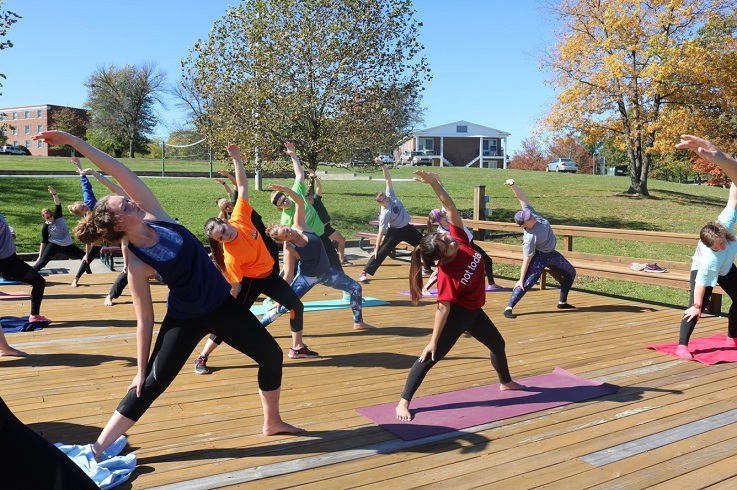
Incorporating physical activity into study breaks can significantly enhance cognitive function, improve focus, reduce stress, and boost overall well-being. This practice not only supports academic performance but also contributes to a healthier and more balanced lifestyle.

Introduction
Studying for extended periods can lead to fatigue, decreased concentration, and diminished motivation. Incorporating physical activity into study breaks provides a refreshing and revitalizing solution to these challenges. Studies have consistently shown that even short bouts of physical activity can have a profound impact on cognitive performance.
Frequently Asked Questions (FAQs)
1. How often should I take physical activity breaks while studying?
Every 25-30 minutes of studying.
2. What type of physical activity is best for study breaks?
Light to moderate activities such as walking, stretching, or jogging.
3. How long should my physical activity breaks be?
5-10 minutes is sufficient.
Top 5 Subtopics
1. Enhanced Cognitive Function
- Increased blood flow to the brain: Physical activity pumps oxygen to the brain, nourishing brain cells and improving their ability to process information.
- Release of neurotransmitters: Exercise triggers the release of neurotransmitters like dopamine and serotonin, which enhance memory, focus, and attention.
- Improved synaptic plasticity: Physical activity promotes the formation of new connections between neurons, strengthening cognitive function.
- Reduced inflammation: Exercise reduces inflammation in the brain, which can impair cognitive performance.
2. Improved Focus and Attention
- Increased alertness: Physical activity increases arousal and alertness, making it easier to concentrate on tasks.
- Enhanced working memory: Exercise improves the brain’s ability to hold information in short-term memory, essential for studying.
- Reduced distractions: Physical activity helps clear the mind, reducing distractions and improving focus.
- Improved processing speed: Exercise enhances the speed at which the brain processes information, speeding up comprehension.
3. Reduced Stress
- Release of endorphins: Exercise releases endorphins, which have mood-boosting and stress-reducing effects.
- Reduced cortisol levels: Physical activity helps lower levels of cortisol, the stress hormone.
- Improved sleep quality: Exercise promotes restful sleep, which is crucial for stress management.
- Increased self-esteem: Physical activity can boost self-confidence, which buffers against stress.
4. Enhanced Physical Health
- Reduced risk of chronic diseases: Regular physical activity reduces the risk of developing heart disease, stroke, type 2 diabetes, and some types of cancer.
- Improved cardiovascular health: Exercise strengthens the heart and improves circulation.
- Increased energy levels: Physical activity boosts energy levels, making it easier to sustain focus and motivation during study sessions.
- Improved body composition: Exercise helps maintain a healthy weight, reducing the risk of obesity.
5. Increased Motivation
- Rewarding experience: Physical activity can be enjoyable and rewarding, which enhances motivation to study.
- Increased self-discipline: Incorporating physical activity into study habits demonstrates self-discipline, which helps maintain consistency in studying.
- Improved mood: Exercise can boost mood, making studying easier and more enjoyable.
- Goal setting: Regular physical activity can help develop a sense of accomplishment, which can motivate individuals to achieve academic goals.
Conclusion
Incorporating physical activity into study breaks is a multifaceted strategy that yields both cognitive and physical benefits. By improving cognitive function, reducing stress, and promoting overall well-being, regular physical activity creates a more conducive learning environment and empowers individuals to maximize their academic potential. Therefore, it is highly recommended to incorporate short bouts of physical activity into study regimens to enhance productivity, well-being, and overall success.
Keyword Tags
- Study Breaks
- Physical Activity
- Cognitive Function
- Focus and Attention
- Stress Management