Active Learning Techniques for Exam Preparation
1. Spaced Repetition:
- Review material at increasing intervals to strengthen memory retention.
- Use flashcards, spaced repetition apps, or study notes.
2. Retrieval Practice:
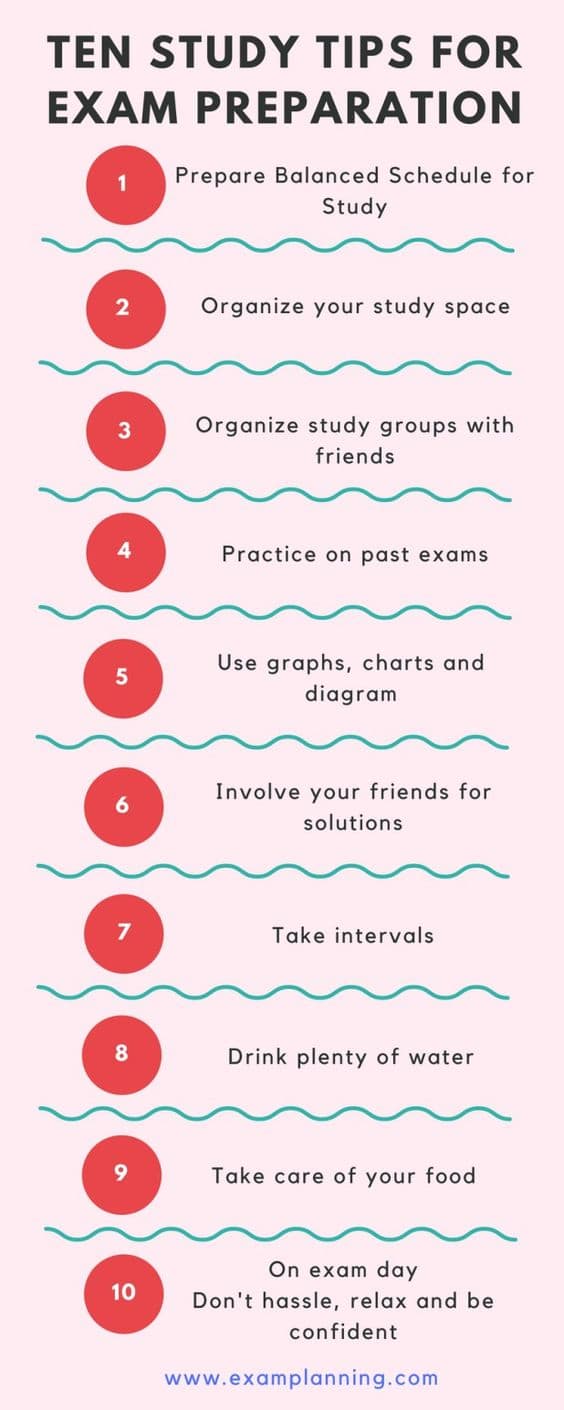
- Actively recall information from memory without looking at notes.
- Test yourself with practice questions, flashcards, or online quizzes.
3. Interleaving:
- Mix up different subjects or topics while studying to improve retention.
- Avoid studying the same topic for extended periods.
4. Elaboration:
- Connect new information to existing knowledge.
- Explain concepts to someone else, write out detailed explanations, or create diagrams and mind maps.
5. Active Reading:
- Engage actively with study materials by highlighting, annotating, and questioning the text.
- Use different colors, symbols, or sticky notes to mark important passages.
6. Feynman Technique:
- Explain a concept as if you were teaching it to someone who doesn’t know it.
- Use simple language, examples, and analogies.
- Identify areas where your understanding is lacking.
7. Concept Mapping:
- Create visual representations of relationships between concepts.
- Use branches, nodes, and connecting lines to show how different ideas connect.
8. Peer Study Groups:
- Collaborate with classmates to review material, discuss concepts, and quiz each other.
- Benefit from diverse perspectives and strengthen your understanding.
9. Mock Exams:
- Simulate the real exam experience by taking practice tests.
- Time yourself, identify strengths and weaknesses, and adjust your study plan accordingly.
10. Active Recall with Feedback:
- Test yourself on a topic, then check your answers against a source of reference.
- Identify areas where you need more clarification or practice.## Preparing For Success: Active Learning Techniques For Exam Preparation
Executive Summary
Exam preparation is crucial for academic success. This article presents a comprehensive guide to active learning techniques, empowering students with effective strategies to enhance their exam performance. By actively engaging with the material, students can improve their understanding, retention, and critical thinking skills.
Introduction
Effective exam preparation goes beyond passive reading and note-taking. Active learning techniques provide a more engaging and efficient approach, promoting deeper comprehension and long-term retention. By actively participating in the learning process, students can significantly improve their chances of exam success.
FAQs
What are active learning techniques?
- Active learning involves actively engaging with the material through various interactive methods, such as discussion, problem-solving, and hands-on activities.
Why are active learning techniques effective for exam preparation?
- Active learning enhances understanding by connecting new information to prior knowledge, improving memory retention, and fostering critical thinking skills.
How can I incorporate active learning techniques into my exam preparation?
- Choose techniques that align with your learning style and the material you need to cover, such as flashcards, study groups, practice problems, and simulations.
Top 5 Active Learning Techniques
Spaced Repetition
- Involves reviewing material at increasing intervals to strengthen memory.
- Essential for long-term retention.
- Techniques include flashcards, spaced repetition software, and review sessions.
Interleaving
- Mixing different topics or subjects while studying.
- Improves understanding by connecting concepts and reducing boredom.
- For example, alternating between math problems and physics equations.
Retrieval Practice
- Actively recalling information from memory without relying on notes.
- Strengthens neural pathways and improves retention.
- Methods include practice questions, self-quizzing, and teaching someone else.
Elaboration
- Connecting new information to prior knowledge and personal experiences.
- Enhances deep understanding and retention.
- Techniques include writing summaries, drawing concept maps, and explaining concepts to others.
Metacognition
- Reflecting on one’s own learning process and making adjustments.
- Improves self-awareness, identifies strengths and weaknesses, and leads to more effective study strategies.
- Involves monitoring progress, identifying areas for improvement, and setting realistic goals.
Conclusion
Exam preparation is not just about memorizing facts but about gaining a deep understanding of the material. By incorporating active learning techniques into their preparation, students can enhance their comprehension, retain information more effectively, and develop critical thinking skills. These techniques provide a more engaging and efficient approach to exam preparation, empowering students with the tools for success.
Keyword Tags
- Active Learning
- Exam Preparation
- Spaced Repetition
- Interleaving
- Retrieval Practice