Maximizing Productivity: The Art of Task Prioritization and Time Management
Introduction:
In today’s fast-paced work environment, maximizing productivity is paramount to success. Effective task prioritization and time management strategies can significantly enhance productivity, reduce stress, and achieve better outcomes.
Task Prioritization Techniques:
1. Eisenhower Matrix:
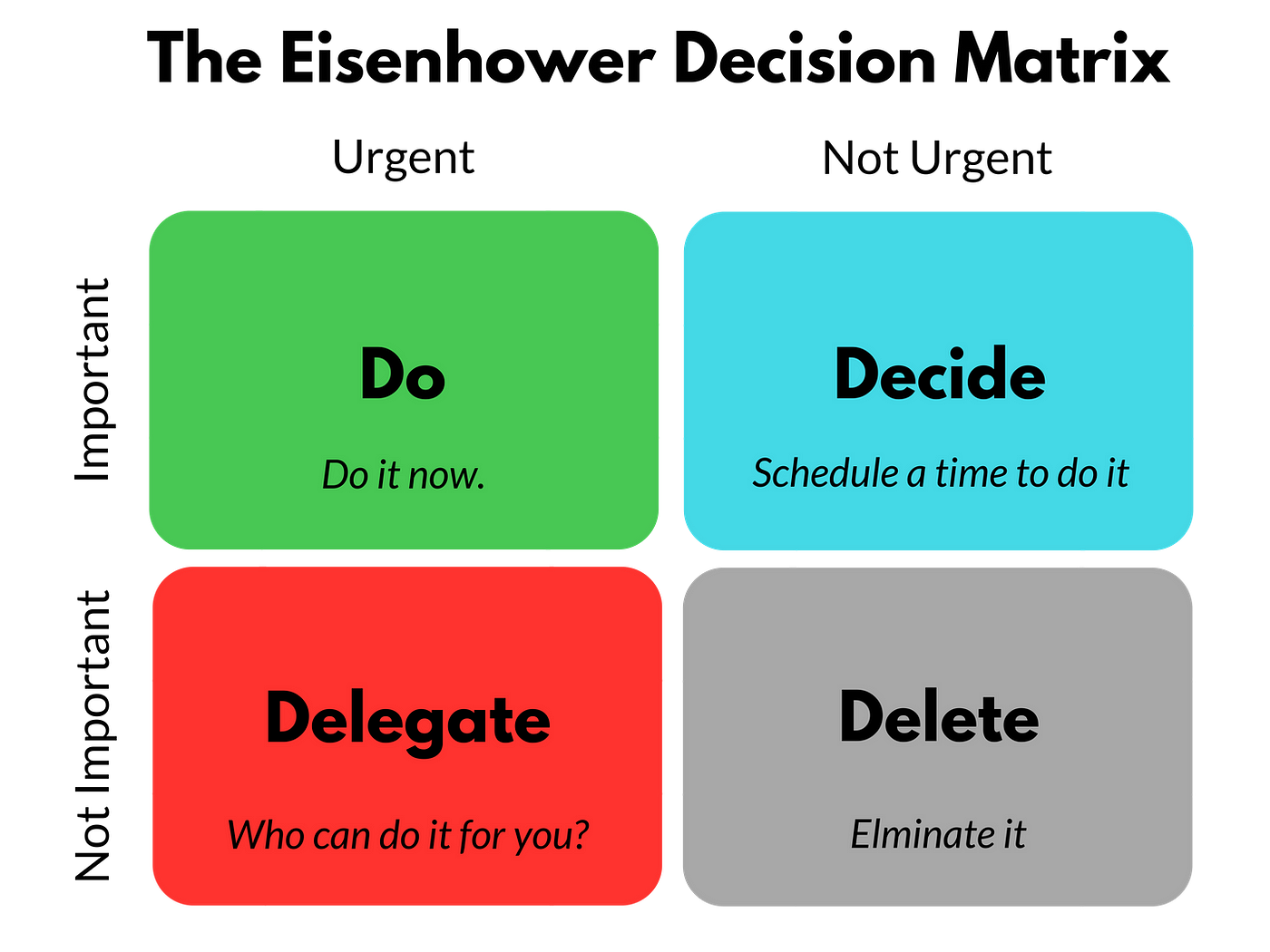
- Categorize tasks based on urgency and importance.
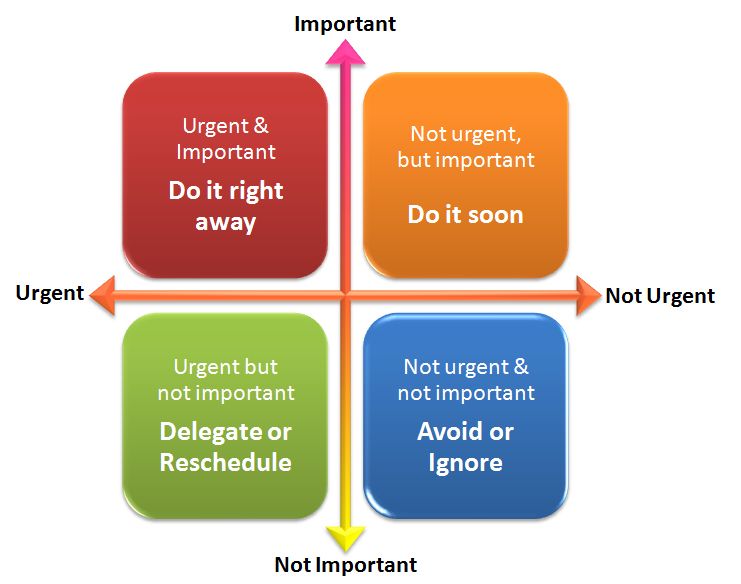
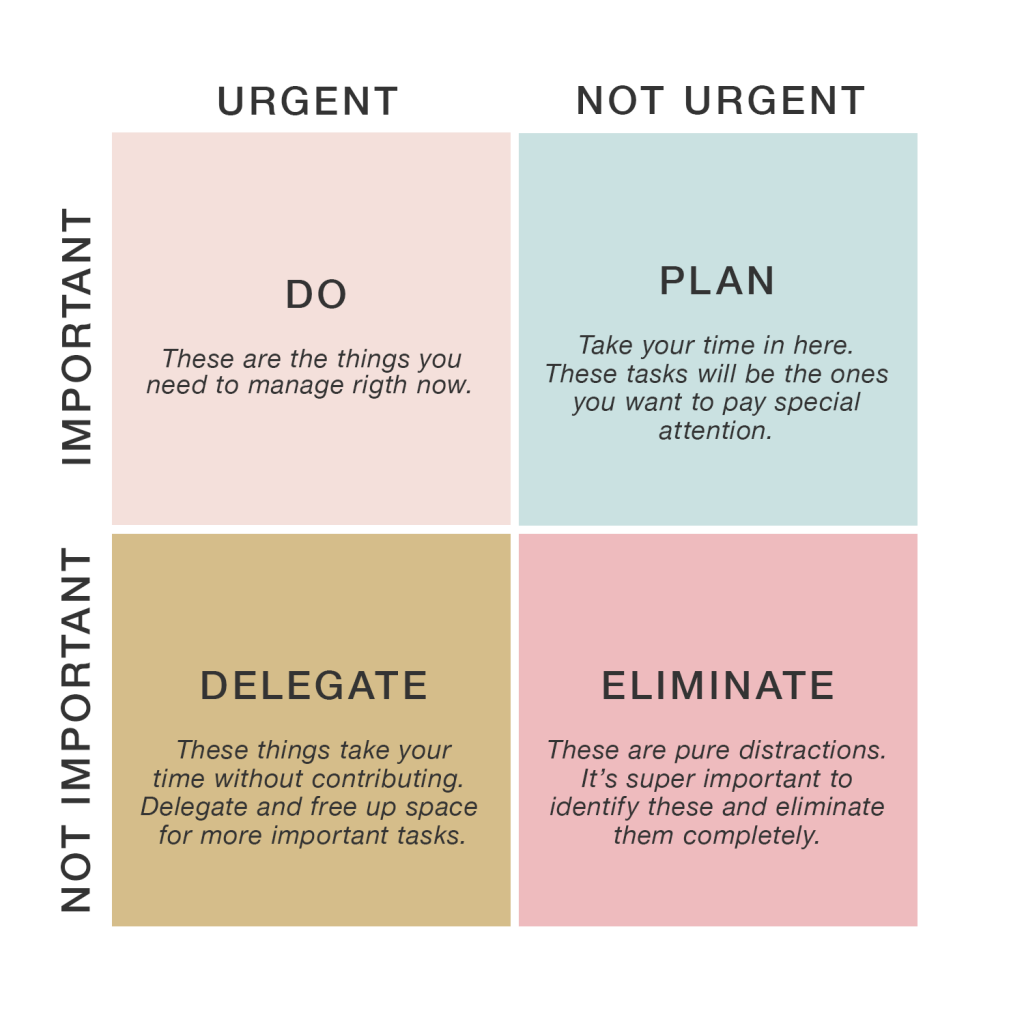
- Urgent and Important: Handle these immediately.
- Important but Not Urgent: Schedule for later.
- Urgent but Not Important: Delegate or defer.
- Not Important or Urgent: Eliminate.
2. ABCDE Analysis:
- Assign letters (A-E) in descending order of importance.
- Focus on completing A-tasks first, followed by B, and so on.
3. MoSCoW Method:
- Classify tasks into four categories:
- Must Have: Essential for project success.
- Should Have: Desired but not critical.
- Could Have: Nice to have, but not necessary.
- Won’t Have: Not required.
Time Management Strategies:
1. Pomodoro Technique:
- Break down work into 25-minute focused sessions, separated by short breaks.
- Maintains concentration and prevents burnout.
2. Time Blocking:
- Allocate specific time slots in your schedule for different tasks.
- Ensures tasks get dedicated attention.
3. Batching:
- Group similar tasks together to minimize distractions and interruptions.
- Example: Answer all emails at once instead of sporadically.
4. Pareto Principle (80/20 Rule):
- Focus on the 20% of tasks that yield 80% of results.
- Delegate or automate the remaining 80%.
5. Eliminate Time Wasters:
- Identify activities that consume time without adding value.
- Reduce distractions, limit interruptions, and minimize social media use.
Additional Tips:
- Plan Ahead: Establish a daily or weekly schedule.
- Set Realistic Goals: Avoid overloading yourself with tasks.
- Delegate: Trust others to handle tasks that can be outsourced.
- Technology Leverage: Utilize task management apps, calendar software, and automation tools.
- Take Breaks: Regular intervals of rest enhance focus and productivity.
Conclusion:
Effective task prioritization and time management are crucial for maximizing productivity in the workplace. By implementing these strategies, individuals can effectively allocate their time, achieve optimal results, and minimize stress. Remember, the art of productivity is an ongoing process that requires constant refinement and adjustment to suit individual needs and work environments.## Maximizing Productivity: The Art Of Task Prioritization And Time Management
Executive Summary
Effective task prioritization and time management are indispensable skills in today’s fast-paced, demanding work environments. By mastering these techniques, individuals can enhance productivity, reduce stress, and achieve optimal results. This comprehensive guide explores a structured approach to task prioritization, time management strategies, and practical tips to optimize personal and professional efficiency.
Introduction
In the relentless pursuit of productivity, effective task prioritization and time management emerge as key differentiators between success and mediocrity. Whether navigating personal schedules or managing demanding work projects, the ability to prioritize and allocate time wisely empowers individuals to maximize outcomes while maintaining a sense of control and balance.
FAQs
- What are the key principles of effective task prioritization?
- How can I optimize my time management strategies?
- What are some practical techniques to enhance productivity?
Top 5 Subtopics
1. The Eisenhower Matrix: Prioritization Framework
This renowned prioritization tool categorizes tasks based on urgency and importance, ensuring that the most crucial tasks receive immediate attention.
- Urgent and Important: Immediate action is required to address critical tasks that have time-sensitive deadlines or high-impact consequences.
- Important but Not Urgent: These tasks are essential but have more flexible deadlines. Schedule them strategically to prevent them from becoming urgent.
- Urgent but Not Important: While time-sensitive, these tasks may have minimal impact on overall goals. Consider delegating or postponing them.
- Not Urgent or Important: These tasks may be desirable but are not essential. If possible, eliminate or minimize their allocation of time.
2. Time Blocking: Effective Time Management
This technique involves dividing the workday into specific time blocks dedicated to different tasks. By establishing clear boundaries, individuals can maintain focus, minimize distractions, and allocate time more efficiently.
- Set Time Blocks: Establish specific time slots for essential tasks, appointments, and breaks.
- Prioritize Tasks: Use the Eisenhower Matrix to determine which tasks to include in each time block based on their urgency and importance.
- Eliminate Distractions: Create a dedicated workspace free from interruptions and distractions.
- Take Breaks: Schedule regular breaks throughout the day to prevent burnout and maintain energy levels.
3. The Pomodoro Technique: Focused Work Sessions
This popular method alternates focused work sessions with short breaks. By breaking down tasks into smaller, manageable chunks, individuals can increase productivity and reduce mental fatigue.
- Work Intervals: Set a timer for focused work sessions, typically 25 minutes long.
- Short Breaks: After each work interval, take a short break of around 5 minutes to clear your mind and recharge.
- Longer Breaks: Every four work intervals, take a longer break of 20-30 minutes to step away from the task and engage in a different activity.
- Track Progress: Use a timer or app to track your work intervals and breaks, ensuring consistency and accountability.
4. Delegation and Time Management
Identifying and delegating tasks to capable team members empowers individuals to focus on high-value activities. By leveraging the skills and expertise of others, it becomes possible to maximize productivity and optimize outcomes.
- Identify Delegable Tasks: Determine which tasks can be handed over to others without compromising quality or results.
- Select Competent Individuals: Choose team members with the necessary skills, experience, and accountability to effectively execute delegated tasks.
- Set Clear Expectations: Provide detailed instructions and ensure that expectations are clearly defined, minimizing misunderstandings and errors.
- Monitor and Support: Stay engaged with delegated tasks, offering guidance, support, and feedback as needed to ensure successful completion.
5. Automation and Time Optimization
Leveraging technology to automate repetitive or time-consuming tasks frees up valuable time for more strategic and creative endeavors. By embracing automation, individuals can streamline workflows and enhance productivity.
- Identify Automatisable Tasks: Determine which tasks can be automated using tools, software, or applications.
- Explore Automation Options: Investigate available automation tools and solutions that align with specific task requirements.
- Set Up Automation: Implement the selected automation solution, ensuring that tasks are executed accurately and consistently.
- Monitor and Adjust: Regularly review the performance of automated tasks and make necessary adjustments to optimize efficiency and effectiveness.
Conclusion
Mastering the art of task prioritization and time management is a transformative skill that empowers individuals to unlock their full potential. By embracing a structured approach to prioritization, implementing effective time management strategies, and incorporating practical techniques, it becomes possible to achieve peak productivity, optimize outcomes, and enjoy greater personal and professional fulfillment. The techniques outlined in this guide provide a comprehensive framework for maximizing efficiency, minimizing stress, and achieving exceptional results.
Relevant Keyword Tags
- Task Prioritization
- Time Management
- Eisenhower Matrix
- Time Blocking
- Automation