
Online Learning
- Convenience and flexibility: Learners can access course materials and complete assignments at their own pace and time.
- Global reach: Students can connect with peers and experts from around the world.
- Accessibility: Online learning removes barriers such as transportation and geographic distance.
- Personalized learning: Some online programs allow for self-paced learning and tailored content.
- Cost-effectiveness: Online courses can be more affordable than traditional classroom courses, eliminating expenses such as transportation and housing.
Traditional Classroom Learning
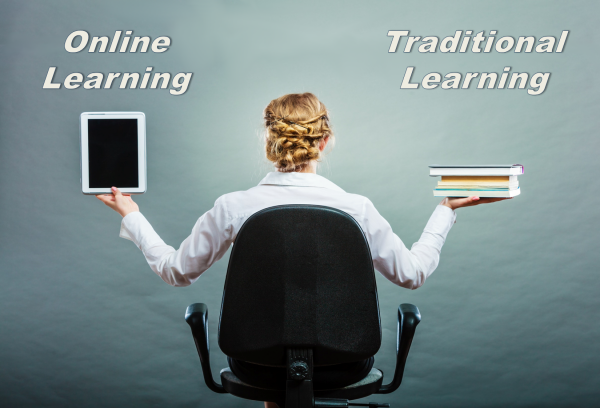
- Face-to-face interaction: Students engage directly with instructors and classmates, fostering a sense of community.
- Structured environment: Classroom schedules and deadlines provide a clear structure and accountability.
- Hands-on experiences: Traditional classrooms often offer practical assignments, labs, and workshops that facilitate hands-on learning.
- Immediate feedback: Students receive feedback from instructors and peers during class, allowing for real-time adjustments.
- Socialization: Classroom settings provide opportunities for students to connect with others, build relationships, and develop social skills.
Comparison of Advantages
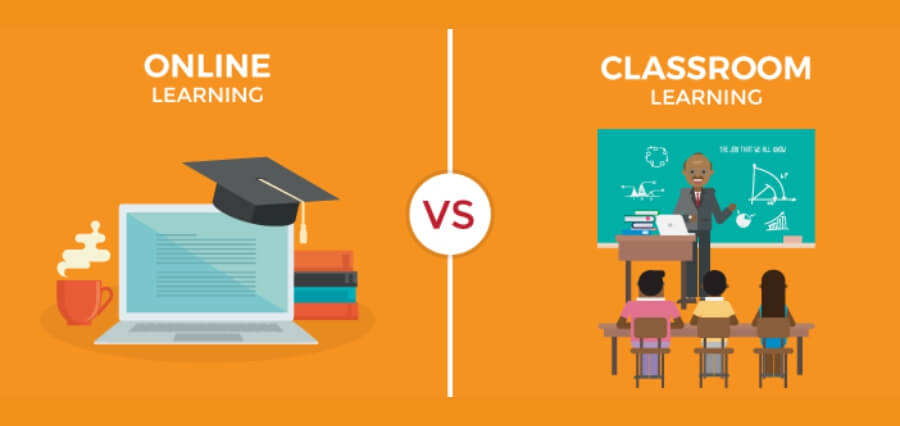
| Feature | Online Learning | Traditional Classroom Learning |
|---|---|---|
| Convenience | High | Low |
| Flexibility | High | Low |
| Global reach | High | Low |
| Accessibility | High | Low |
| Personalized learning | Medium | Low |
| Cost-effectiveness | Medium | High |
| Face-to-face interaction | Low | High |
| Structured environment | Medium | High |
| Hands-on experiences | Low | High |
| Immediate feedback | Medium | High |
| Socialization | Low | High |
Choosing the Best Option
The best learning option depends on the individual’s circumstances, learning style, and goals.
- Online learning suits individuals:
- With busy schedules or geographic constraints
- Seeking flexibility and convenience
- Interested in global networking opportunities
- Traditional classroom learning suits individuals:
- Who value face-to-face interactions and social connections
- Prefer a structured and supervised learning environment
- Need hands-on training and immediate feedback
Hybrid Learning
Some institutions offer hybrid learning models that combine both online and traditional classroom components. This allows students to benefit from the advantages of both approaches by providing greater flexibility while still offering some face-to-face instruction.## Online Learning Vs. Traditional Classroom Learning
Executive Summary
Online Learning and Traditional Classroom Learning are two prevalent modes of education that cater to distinct learning preferences, schedules, and circumstances. Online learning offers flexibility, accessibility, and self-paced learning, while traditional classroom learning provides a structured and interactive environment with face-to-face interaction. This article delves into the advantages and disadvantages of both approaches, exploring their unique pedagogical methods, effectiveness, and suitability for different learners and learning objectives.
Introduction
The realm of education has witnessed a significant shift in recent years, with the advent of online learning platforms challenging the traditional classroom model. Both approaches offer unique benefits and drawbacks, making the choice between them a crucial one for both educators and learners. This article aims to provide a comprehensive analysis of online learning versus traditional classroom learning, delving into key aspects such as flexibility, effectiveness, cost, and social interaction.
FAQs
1. What are the main differences between online learning and traditional classroom learning?
Online Learning:
- Flexible and self-paced
- Accessible from anywhere with an internet connection
- Often relies on pre-recorded lectures, online discussions, and virtual assessments
Traditional Classroom Learning:
- Structured and scheduled
- Involves face-to-face interaction with instructor and peers
- Typically held in a physical classroom at a fixed time and location
2. Which type of learning is more effective?
Both online learning and traditional classroom learning can be effective, depending on individual learning styles, preferences, and the nature of the subject matter. However, studies have shown that for certain subjects, such as math and science, traditional classroom learning may provide a more effective learning environment.
3. Is online learning cheaper than traditional classroom learning?
Online learning is generally more affordable than traditional classroom learning, as it eliminates the costs associated with physical infrastructure, such as classrooms, utilities, and transportation. However, some online programs may charge additional fees for online resources or materials.
Subtopics
1. Flexibility and Accessibility
Online Learning:
- Self-paced: Students can learn at their own pace, allowing them to balance their studies with other commitments.
- Location independence: Students can access course materials and complete assignments from anywhere with an internet connection.
- Flexible scheduling: Online learning offers greater flexibility in scheduling, accommodating students with busy work schedules or personal commitments.
2. Interaction and Engagement
Traditional Classroom Learning:
- Face-to-face interaction: Students have the opportunity to interact directly with their instructor and classmates, fostering a sense of community.
- Immediate feedback: Students can receive immediate feedback on their understanding through discussions, presentations, and other interactive activities.
- Personalized attention: Instructors can provide personalized guidance and support to students in a face-to-face setting, tailoring their teaching approach to individual needs.
3. Learning Style and Preferences
Online Learning:
- Independent learners: Online learning is well-suited for independent learners who are comfortable with self-directed learning.
- Self-starters: Students must possess strong motivation and self-discipline to succeed in an online environment.
- Technology proficiency: Online learning requires basic computer skills and proficiency in using online platforms.
4. Cost
Traditional Classroom Learning:
- Higher upfront costs: Traditional classroom learning typically involves tuition fees, transportation costs, and expenses for textbooks and materials.
- Hidden costs: Additional costs may include parking fees, meal expenses, and the opportunity cost of time spent in class.
- Scholarships and financial aid: Financial assistance options, such as scholarships and grants, are often available to offset the costs of traditional classroom learning.
5. Socialization and Networking
Traditional Classroom Learning:
- Peer interaction: Students have the opportunity to build relationships and collaborate with classmates, enhancing their social and interpersonal skills.
- Networking opportunities: Traditional classroom learning provides opportunities for students to network with classmates, instructors, and industry professionals.
- Campus life: Traditional campus life offers a range of social activities, clubs, and organizations, promoting a sense of community and belonging.
Conclusion
The choice between online learning and traditional classroom learning depends on a variety of factors, including individual learning preferences, schedule constraints, financial considerations, and the nature of the subject matter. While online learning offers flexibility, accessibility, and self-paced learning, traditional classroom learning provides the benefits of face-to-face interaction, immediate feedback, and a structured learning environment. Ultimately, the best learning method is the one that aligns most closely with the needs and aspirations of the individual learner.
Keywords
- Online Learning
- Traditional Classroom Learning
- Flexibility
- Effectiveness
- Cost
- Interaction
- Engagement
- Learning Style