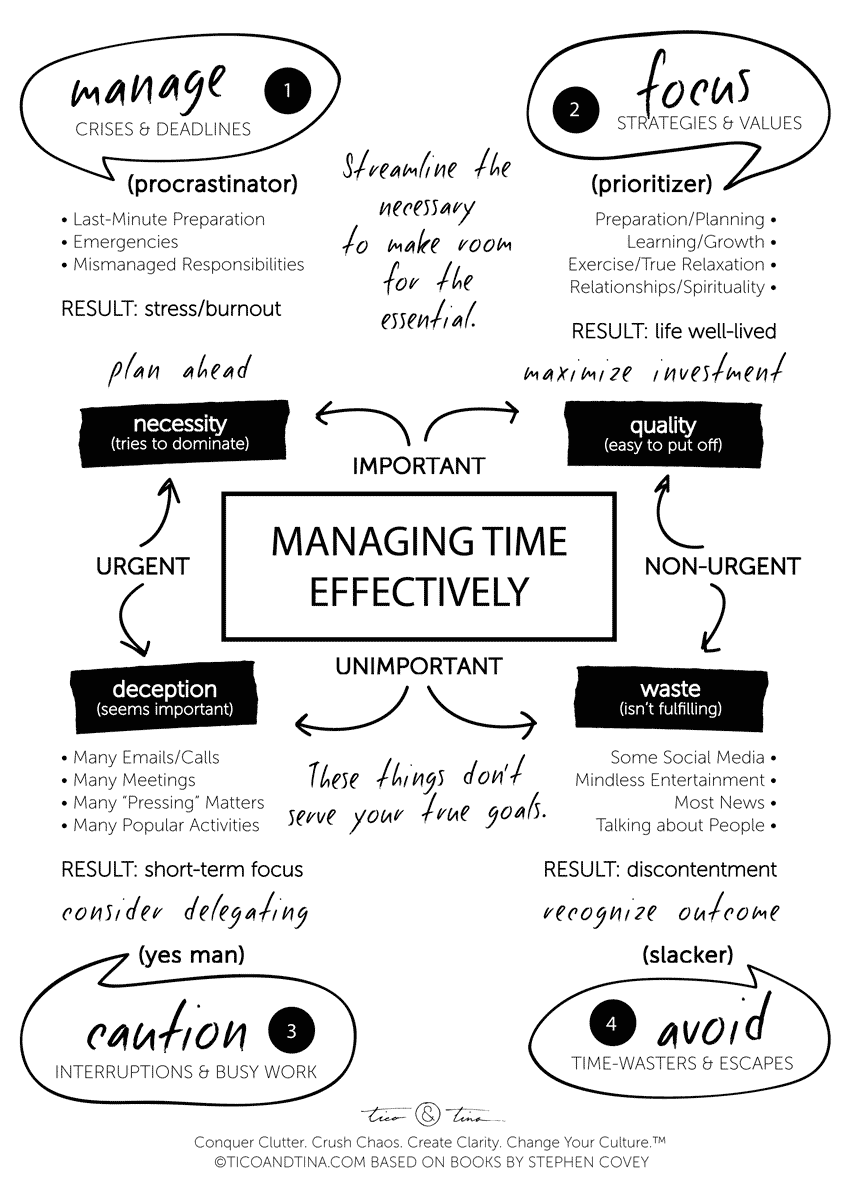
Maximize Productivity and Efficiency:
- Time management allows students to allocate their time strategically, ensuring they complete assignments, participate in discussions, and engage in coursework effectively.
- By prioritizing tasks and setting realistic deadlines, students can avoid procrastination and maximize their productivity.
Improve Learning Outcomes:

- Effective time management creates a structured and organized environment that supports focused study and knowledge retention.
- Students who manage their time well are able to allot sufficient time for reading, writing, and comprehending course materials.
Reduce Stress and Improve Well-being:

- Overwhelming workloads and tight deadlines can lead to anxiety and stress. Time management helps students stay organized and avoid feeling overwhelmed.
- By managing their time effectively, students can allocate time for relaxation, socialization, and activities that promote well-being.
Enhance Collaboration and Communication:
- Online learning often relies heavily on asynchronous discussions and group projects. Effective time management ensures that students can participate actively, meet deadlines, and collaborate seamlessly with their peers.
- Students who manage their time well are more likely to engage in meaningful conversations and contribute to group efforts.
Foster Autonomy and Self-Discipline:
- Online learning places a great deal of responsibility on students to manage their own schedules and progress. Time management fosters autonomy by empowering students to take ownership of their learning.
- Students who learn to manage their time effectively develop self-discipline and the ability to prioritize their tasks.
Prepare for the Workforce:
- Time management is a crucial skill for success in the workplace. Online learning provides an opportunity for students to develop this skill and prepare for the demands of a professional environment.
- Students who demonstrate strong time management skills are highly valued by employers and can effectively balance multiple projects and deadlines.
Specific Strategies for Effective Time Management in Online Learning:
- Create a Realistic Schedule: Break down large assignments into smaller, manageable chunks and allocate specific time slots for each task.
- Use a Planner or Calendar: Track assignments, deadlines, and important events to stay organized and avoid forgetting commitments.
- Prioritize Tasks: Determine which tasks are most important and allocate time to them first to avoid leaving them to the last minute.
- Take Breaks: Regular breaks are essential to maintain focus and productivity. Schedule short breaks throughout the day to prevent burnout.
- Avoid Distractions: Create a dedicated study space free from distractions such as social media, email, or noise.
- Reward Yourself: Celebrating your accomplishments and rewarding yourself for completing tasks can help you stay motivated and on track.## The Importance Of Time Management In Online Learning
Executive Summary
Online learning provides flexibility and convenience, but effective time management is crucial for success. Students who effectively manage their time can achieve academic excellence, avoid stress, and maintain a balanced life.
Introduction
In today’s fast-paced digital world, online learning has become increasingly popular due to its convenience and flexibility. However, it is essential for students to understand that time management is a critical factor in achieving success in online learning. This article will delve into the significance of time management for online learners, exploring its benefits and strategies for effective implementation.
FAQs
Q: Why is time management important for online learners?
A: Effective time management allows students to allocate their time wisely, prioritize tasks, meet deadlines, avoid procrastination, and reduce stress.
Q: Can time management help improve academic performance in online learning?
A: Yes, time management helps students use their study time more efficiently, resulting in better comprehension, retention, and improved grades.
Q: How can I improve my time management skills for online learning?
A: Set realistic schedules, create to-do lists, use time-tracking tools, minimize distractions, and take breaks to avoid burnout.
Top 5 Subtopics
1. Setting Realistic Goals
- Define Clear Objectives: Identify specific learning outcomes and break down assignments into smaller, manageable steps.
- Prioritize Tasks: Use the Eisenhower Matrix to categorize tasks based on urgency and importance, focusing on high-priority tasks first.
- Establish Deadlines: Set realistic deadlines for assignments and projects, allowing ample time for research, preparation, and revisions.
- Create a Study Plan: Develop a structured study schedule that allocates specific time slots for coursework, breaks, and extracurricular activities.
2. Efficient Time Utilization
- Use Time-Blocking Techniques: Divide the day into specific time blocks dedicated to different tasks, such as studying, research, and assignments.
- Maximize Study Sessions: Remove distractions, use active learning techniques, and take notes effectively to enhance focus and retention.
- Eliminate Procrastination: Break down large assignments into smaller chunks, set mini-deadlines, and reward yourself for completing tasks on time.
- Delegate and Outsource: If possible, delegate tasks to others or outsource certain responsibilities to free up your time for more important tasks.
3. Effective Note-Taking
- Identify Key Points: Pay attention to lectures, readings, and discussions, and identify the most important concepts and ideas.
- Use Various Note-Taking Methods: Experiment with different note-taking techniques, such as Cornell notes, mind maps, or outlines, to find the one that works best for you.
- Review and Summarize: Regularly review your notes to reinforce learning, identify areas for improvement, and create summaries for easy retrieval.
- Utilize Technology: Use note-taking apps or software to organize your notes, access them from any device, and collaborate with classmates.
4. Reducing Distractions
- Create a Dedicated Study Space: Establish a designated area for studying that is free from distractions, such as noise, social media, and unnecessary clutter.
- Use Noise-Canceling Headphones: Block out external noises that can interfere with focus and concentration.
- Set Screen Time Limits: Establish limits on screen time for entertainment or social media to avoid getting sidetracked during study sessions.
- Take Regular Breaks: Step away from your studies every 45-60 minutes for short breaks to refresh your mind and prevent burnout.
5. Maintaining a Balanced Lifestyle
- Set Boundaries: Establish clear boundaries between study time and personal time to avoid burnout and maintain a healthy work-life balance.
- Engage in Self-Care: Prioritize self-care activities such as exercise, meditation, and hobbies to manage stress and maintain overall well-being.
- Seek Support: Reach out to classmates, support services, or instructors for assistance or encouragement when needed.
- Evaluate and Adjust: Regularly assess your time management strategies, identify areas for improvement, and make necessary adjustments to optimize your efficiency.
Conclusion
Effective time management is an essential skill for online learners aspiring to achieve academic success. By setting realistic goals, utilizing time efficiently, taking effective notes, reducing distractions, and maintaining a balanced lifestyle, students can optimize their learning experience, improve their grades, and thrive in their online studies. Remember, time is a valuable resource, and managing it wisely can unlock a world of possibilities for online learners.
Keyword Tags:
- Time Management
- Online Learning
- Academic Success
- Goal-Setting
- Efficient Learning